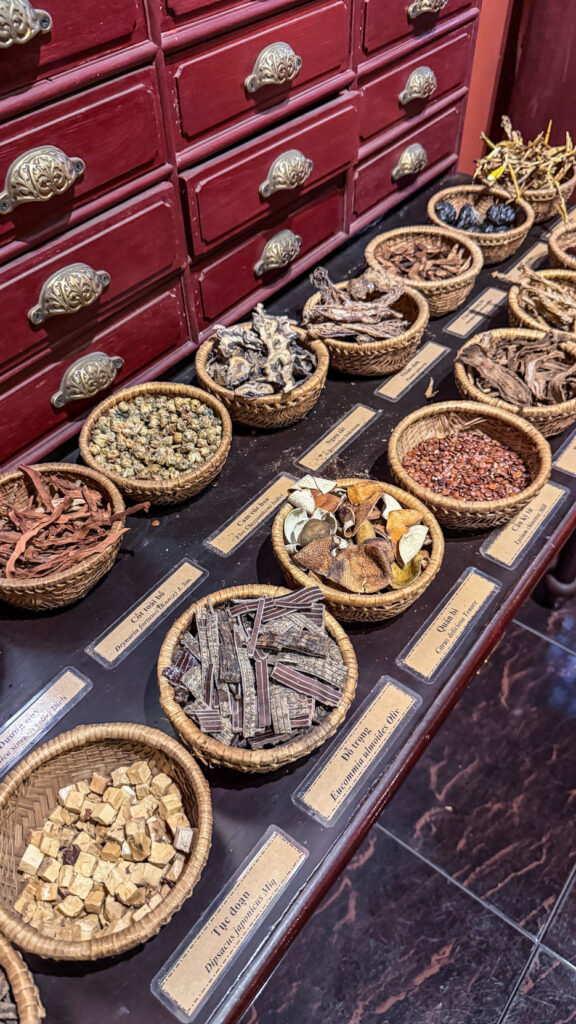
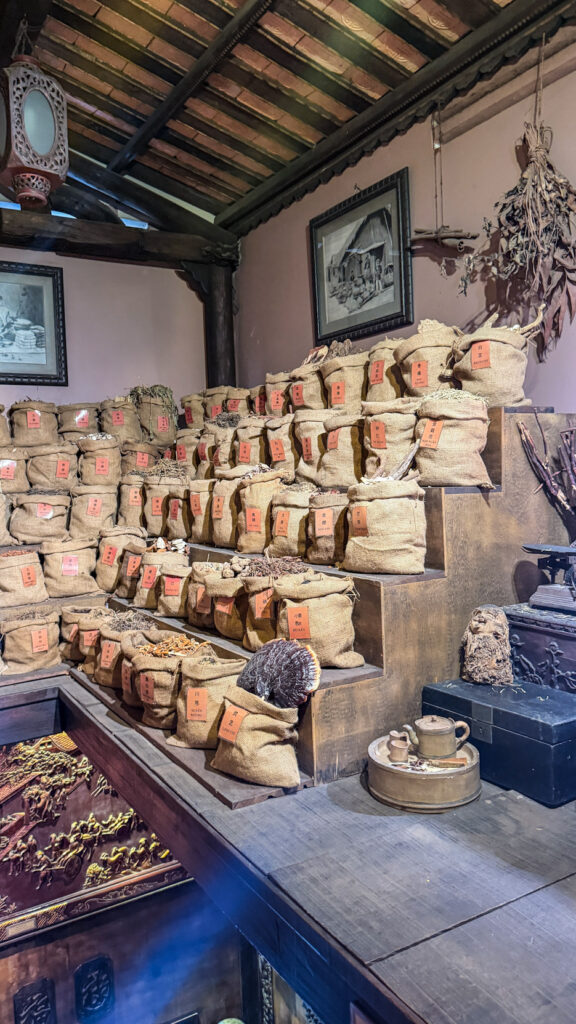
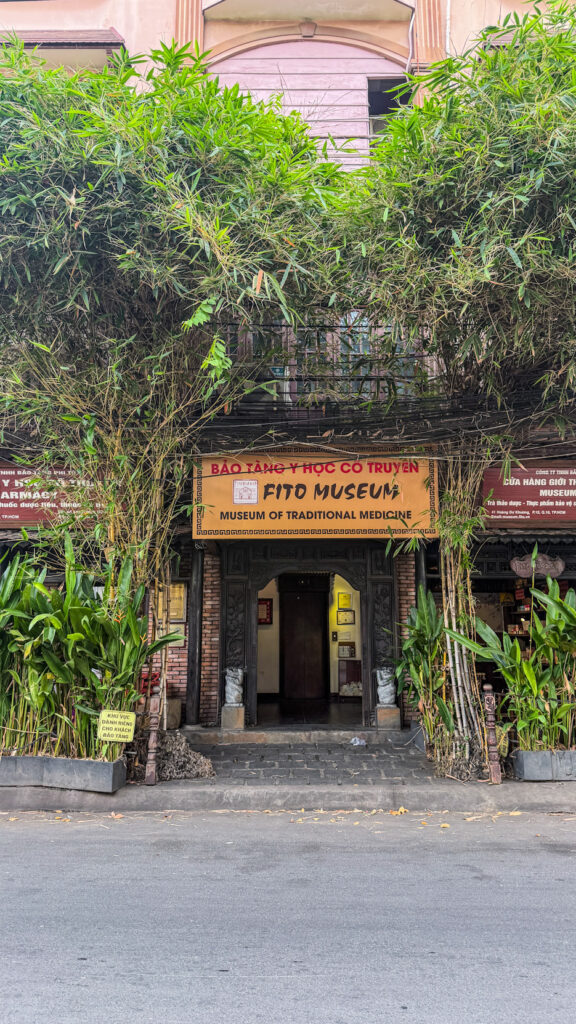
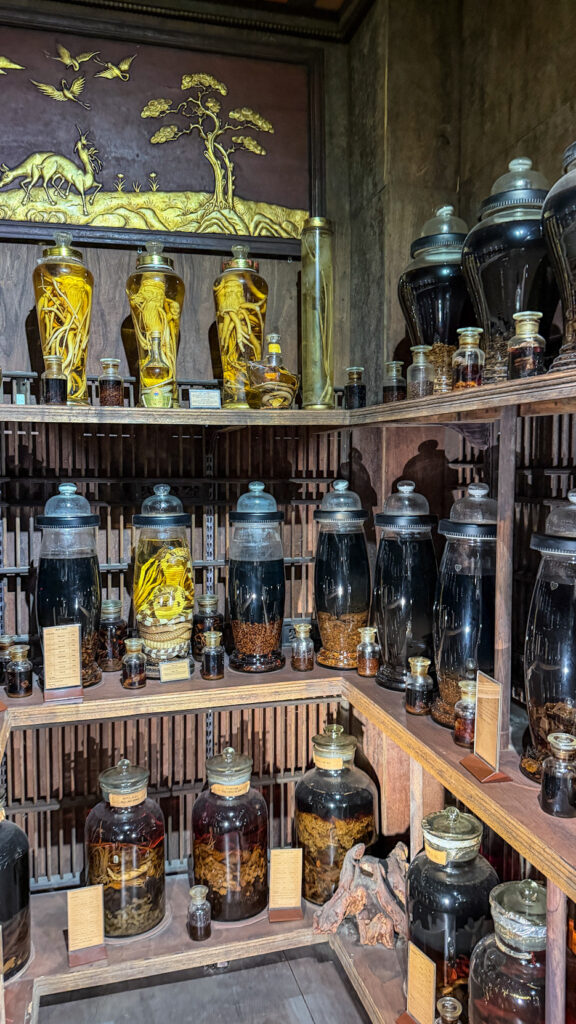
Most museums in Saigon focus on war, art, or history. The FITO Museum Saigon — Bảo tàng Y học Cổ truyền — offers something different: a sensory deep dive into 2,500 years of Vietnamese herbal medicine. Tucked away on a quiet residential street in District 10, this private museum sits inside a beautifully restored wooden building that smells of dried herbs, old wood, and earth. If you’re already checking flights to Ho Chi Minh City, put this on your list — it’s a side of Vietnam that existed long before modern pharmacies. 🌿
🏛️ A Museum That Feels Like an Ancient Apothecary
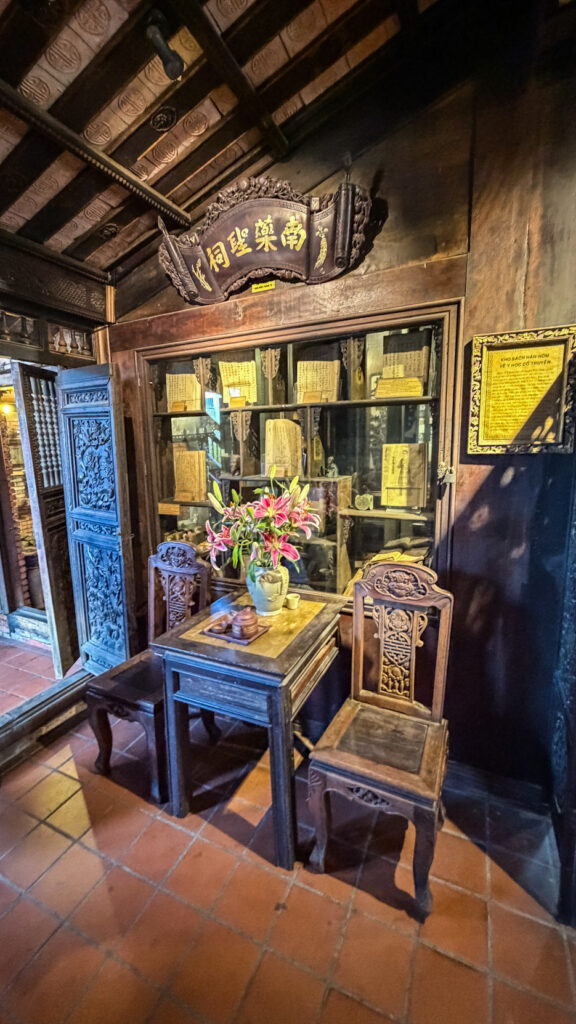
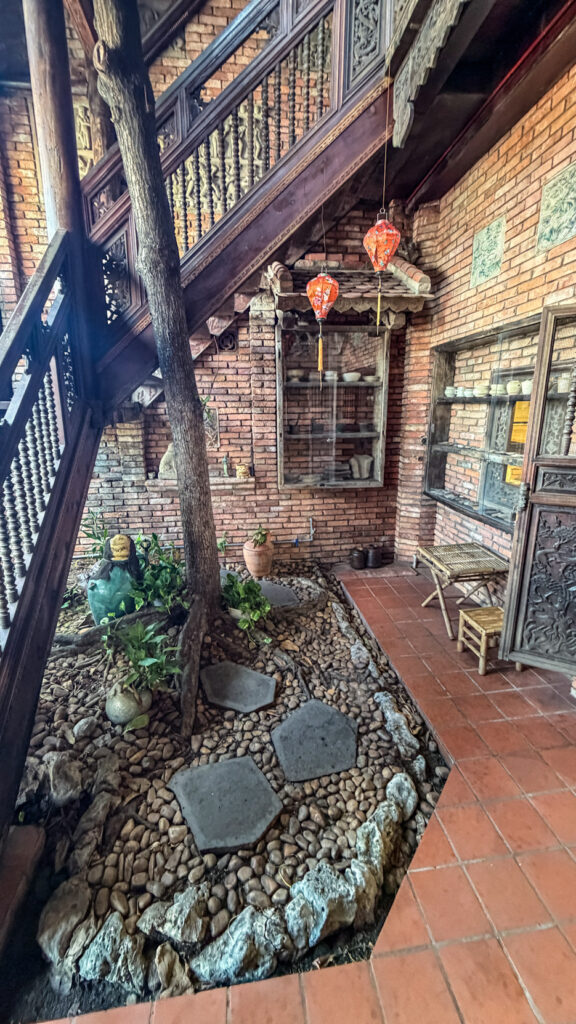
The building itself is the first exhibit. FITO Museum was constructed using traditional Vietnamese woodworking techniques, with no nails and only intricately carved joints, and every beam, pillar, and panel is adorned with hand-carved motifs of dragons, phoenixes, and medicinal plants. The architecture is a deliberate patchwork of regional styles — northern temple door frames from the Red River basin, Hue-style balconies, and Cham-inspired towers all sit side by side. It took years to build, with timber and craftsmanship sourced from traditional villages across Vietnam.
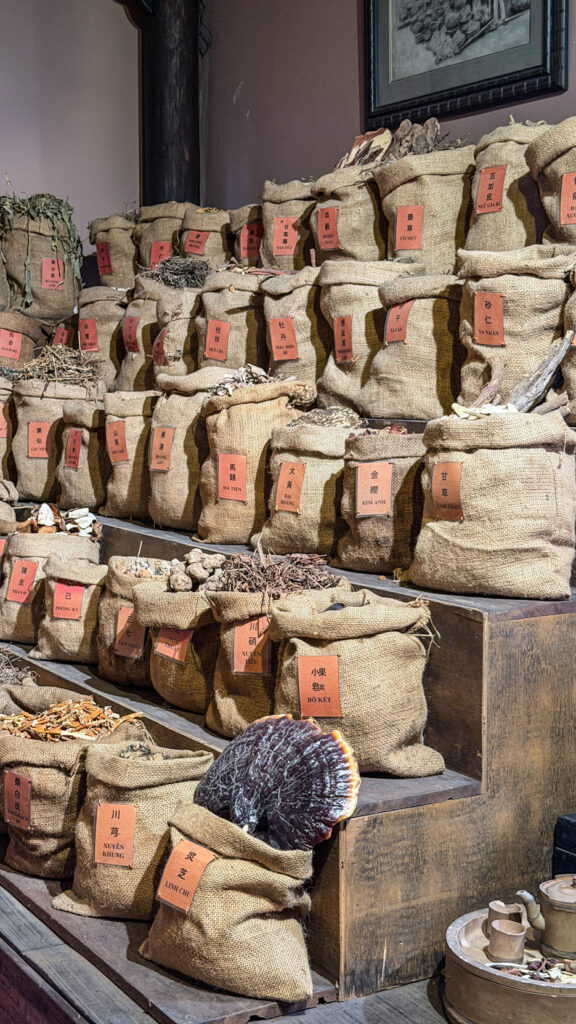
The lighting is soft, the floors are polished wood, and the only sounds are the creak of floorboards and the occasional bubble of a herbal decoction brewing in a display pot. This isn’t a sterile, white-walled gallery — it’s a space that feels alive, steeped in the very traditions it preserves.
🌱 2,500 Years of Healing in Six Rooms
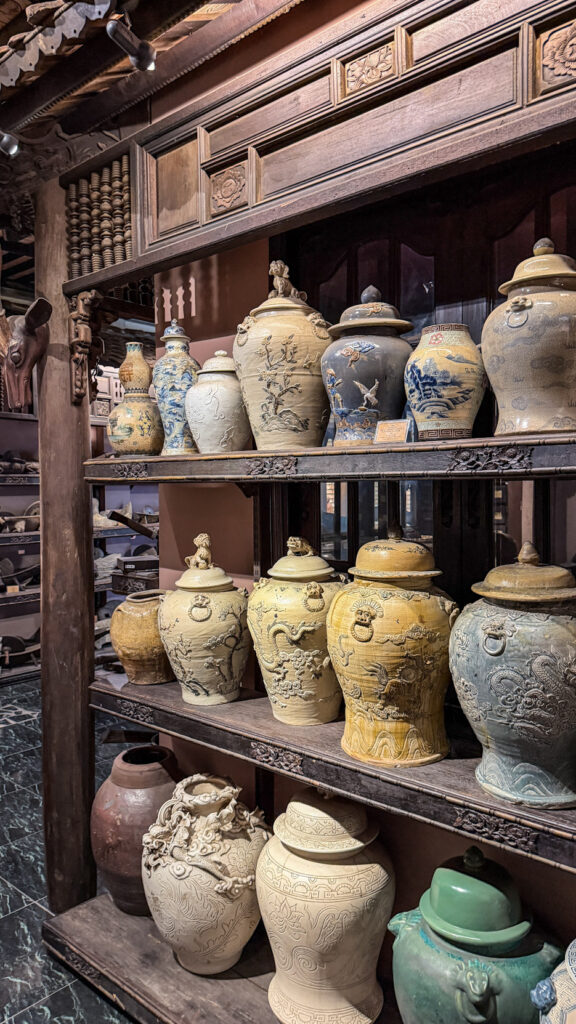
The museum’s collection spans over 3,000 artifacts, and what makes it special is its narrative — FITO Museum Saigon presents the display from the upper floors down, moving chronologically through the history of Vietnamese medicine one room at a time.
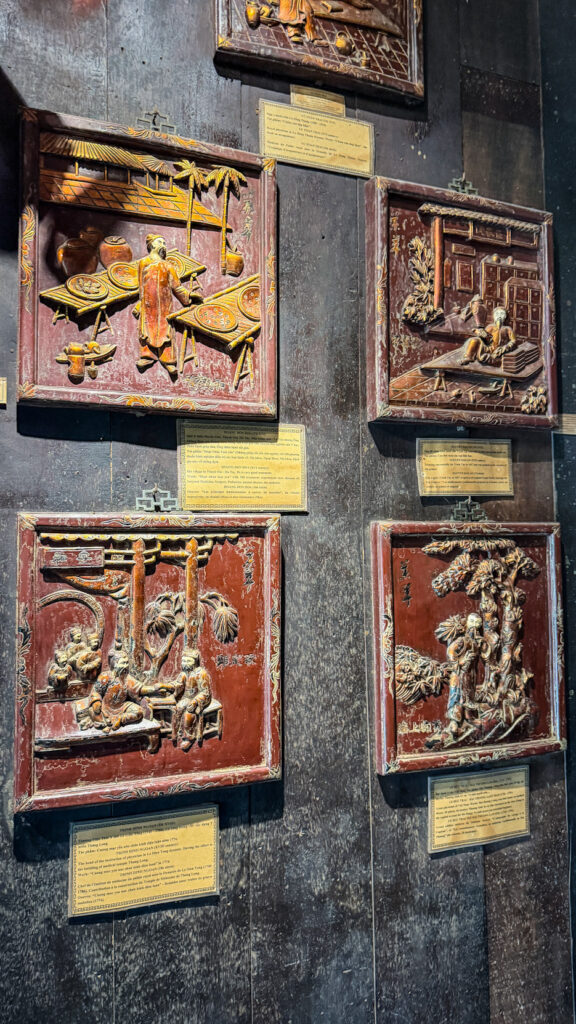
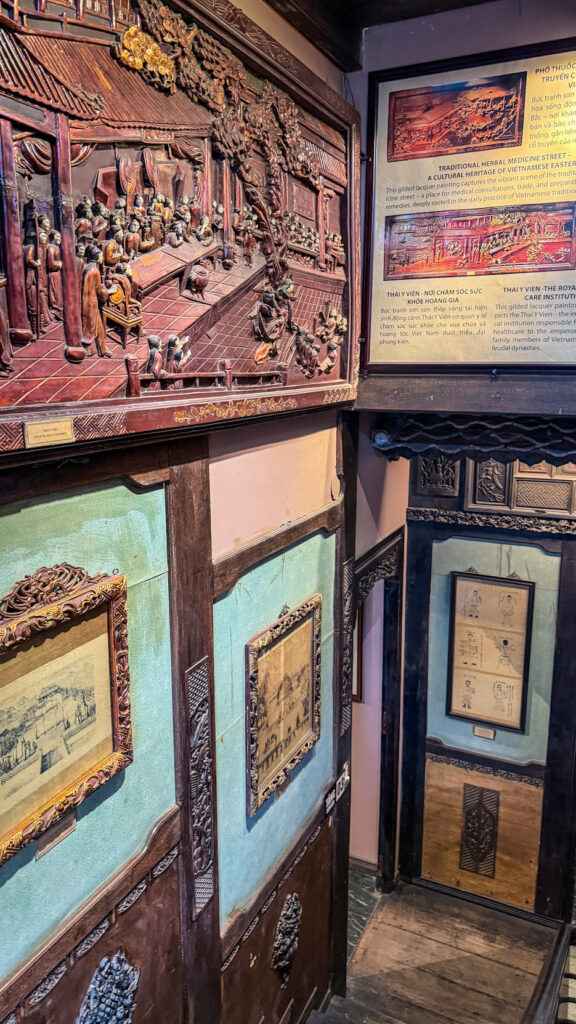
Room 4 is dedicated to the great physicians of the 13th to 18th centuries, told through 15 portraits crafted in the traditional technique of red lacquer trimmed with gold. Here you’ll meet Phạm Công Bân, a royal physician who spent his own money treating the poor, and Trần Cảnh Huân, who used acupuncture to save a drowning prince and later cured the same king of impotence, enabling him to father three sons. The great scholar Chu Văn An is here too, remembered as headmaster of Vietnam’s first national university and not just a teacher but the author of a medical text. At the centre of it all is Tuệ Tĩnh, the 14th-century founder of Vietnamese traditional medicine, who passed the royal examination and became a monk instead of a mandarin, dedicating his life to healing. A wooden board hanging from the ceiling bears his most famous quote: “Nam Dược Trị Nam Nhân” — “The Vietnamese is treated by Vietnamese Medicine.”
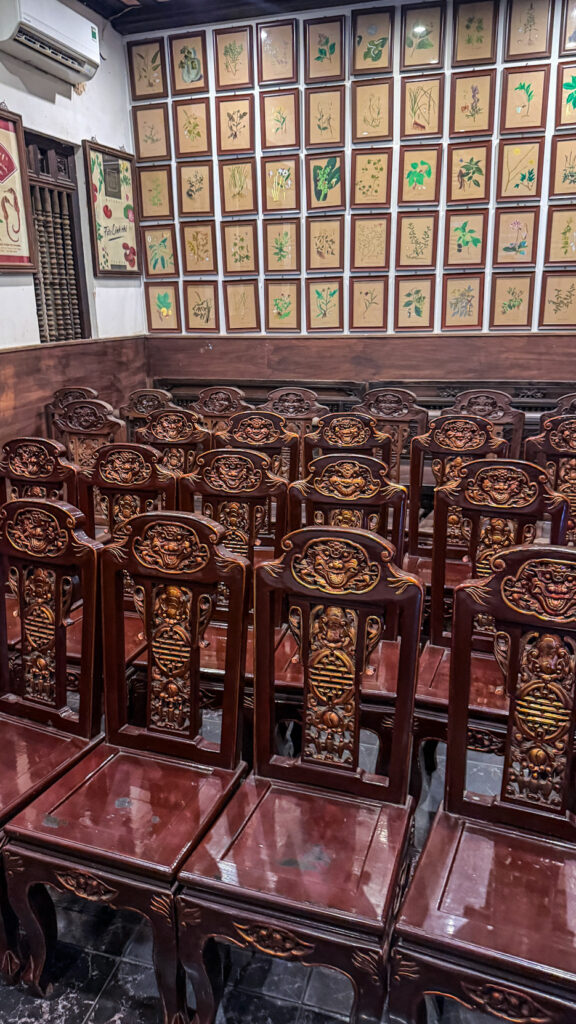
Room 2 is the spiritual heart of the FITO Museum Saigon. It houses an altar dedicated to Tuệ Tĩnh and Hải Thượng Lãn Ông Lê Hữu Trác, who authored a 66-volume encyclopedia of Vietnamese medicine and was recognised by UNESCO on his 250th birthday as a world cultural figure. The altar is flanked by carved wooden couplets praising their contributions, and the room itself is decorated with images of herb collecting, pulse examination, and ancient medical houses.
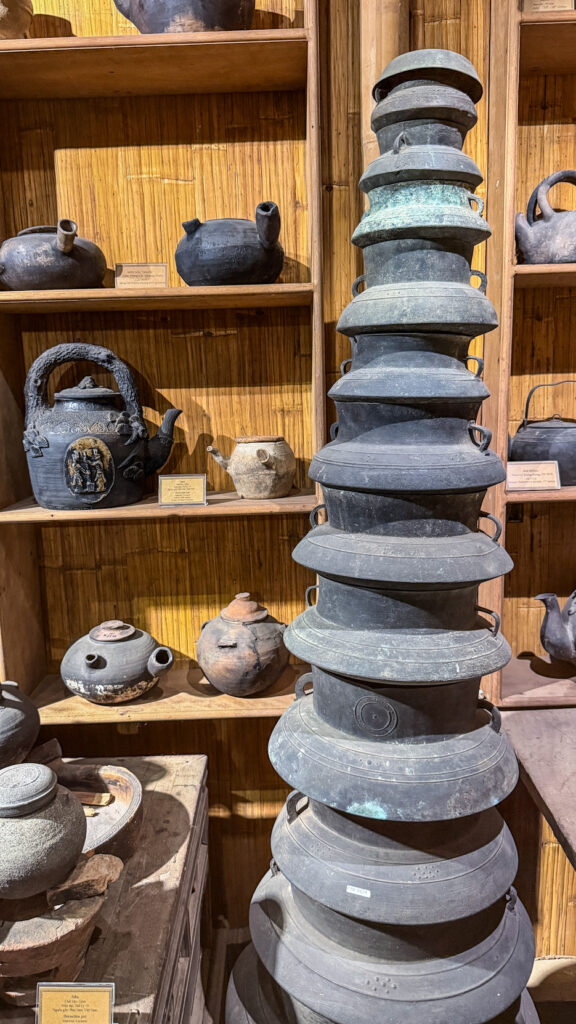
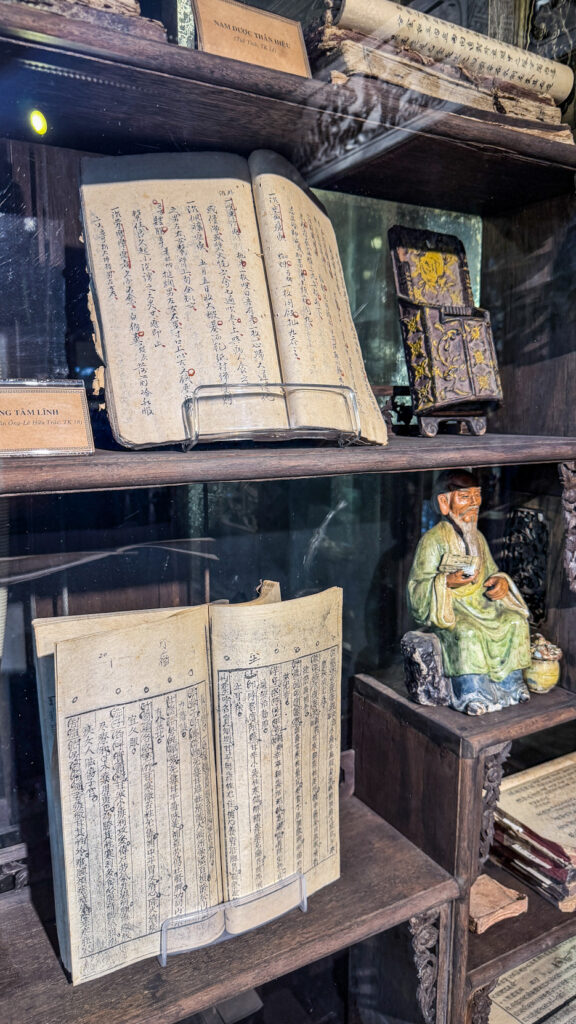
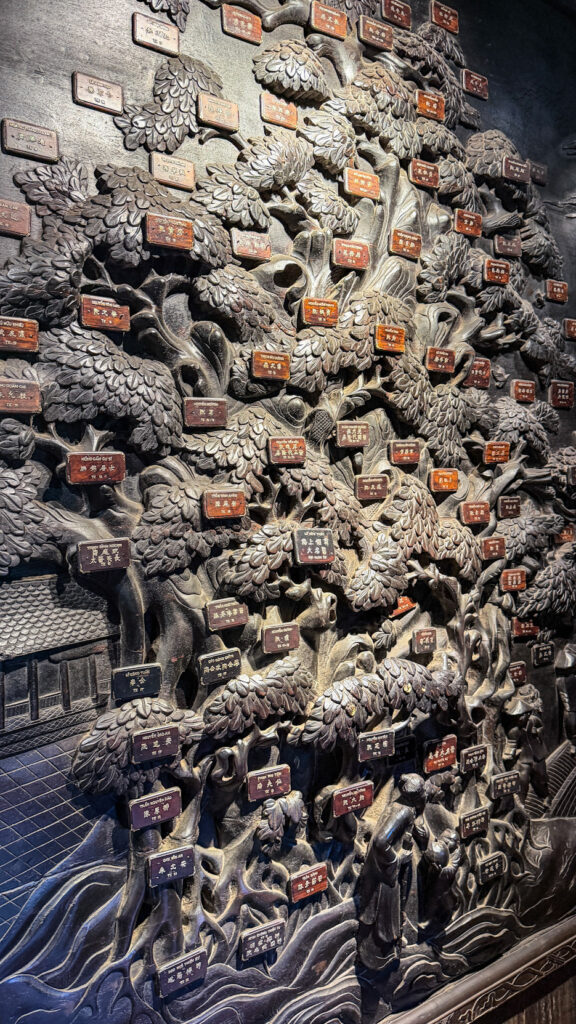
In Room 3, you’ll find the oldest objects in the collection: stone mortars and pestles from the Stone Age, and a boat-shaped grinder from the Red River. A wooden carving titled “Vietnam’s Medical Physician Record” weighs nearly 500 kilograms and lists 100 physicians from the 12th to the 20th century — artisans spent two years to complete it. Nearby, glass cabinets hold handwritten copies of medical classics, including Comprehensive Manuscripts of Flora, the first pharmacy book published in Vietnam in 1428, along with 15th-century pediatric texts.
Room 1 ties everything together with a chronological frieze of Vietnamese medical history, beginning with the Hùng Kings era around 2000 BC. It traces how local remedies — chewing betel for dental health, eating ginger to fight malaria — blended with influences from Chinese medicine to form a distinct tradition.
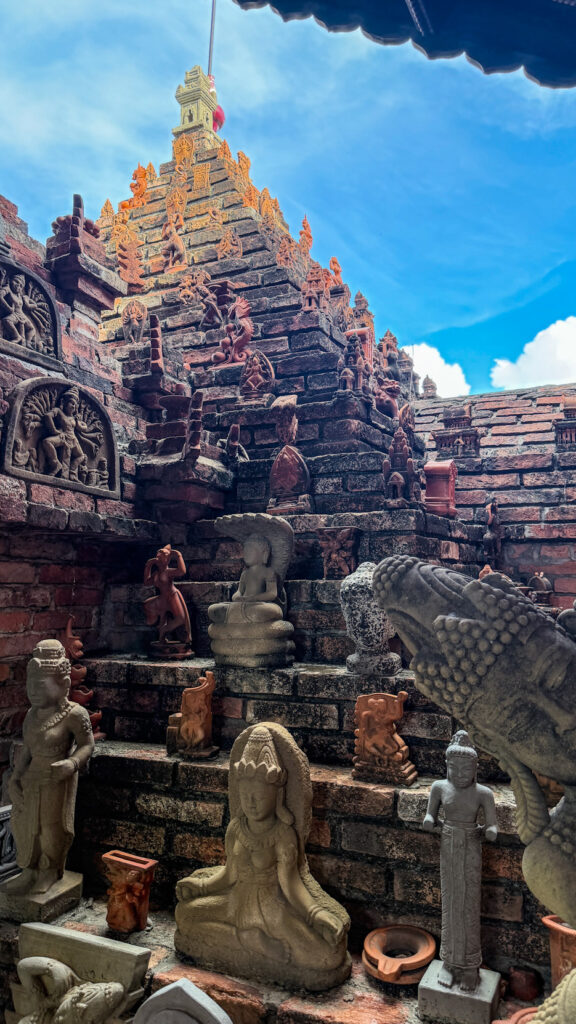
Room 5 shifts focus to architecture and spirituality, with a Cham tower displaying stone lingas and a gate modelled after the Thăng Long Temple in Hanoi, built in 1780. Room 6 broadens the lens further, comparing Vietnamese medicine with Kampo in Japan and Korean Oriental medicine to show how these systems evolved in parallel.
📍 Practical Info
📍 Address: 41 Hoàng Dư Khương, Phường 12, Quận 10, Ho Chi Minh City
🕒 Opening hours: Daily, 8:30 AM – 5:00 PM
📞 Phone: +84 28 3868 2430
🎟️ Entrance: Around 120,000 VND for adults, which includes a guided tour and a cup of herbal tea at the end of the visit.
👗 Dress code: Casual, but respectful — it’s a private museum with a spiritual atmosphere.
🚕 Getting there: About 15 minutes by Grab from District 1. The museum is on a quiet street in District 10 — look for the ornate wooden gate.
The museum is in District 10, not far from several other cultural landmarks. If you’re looking for a comfortable base nearby, you can find a hotel in Ho Chi Minh City in District 1 or District 3, both an easy Grab ride from the museum. For the highest-rated stays across all budgets, my Top 10 Best Hotels in Ho Chi Minh City guide has the full lineup.
🔗 What to Pair It With
FITO Museum pairs naturally with the city’s other great collections. The Fine Arts Museum, with its 22,000 objects and stained-glass staircase, is a short Grab ride away. For a completely different atmosphere, the Cao Dai Temple Saigon blends five religions under one rainbow-coloured roof. And if you’d rather rest your feet, Tao Dan Park — with its hidden national shrine — is a short Grab ride east. 🌸
💎 Verdict: A Museum That Heals the Senses
FITO Museum Saigon is not just a collection of old tools and dusty books. It is a living tribute to the physicians who shaped Vietnamese medicine — the space smells of herbs, sounds like a temple, and offers a cup of herbal tea on the way out. It leaves you with a deeper respect for a tradition that has endured for two and a half millennia.
Frequently Asked Questions
What is the FITO Museum?
It’s a private museum in District 10, Saigon, dedicated to 2,500 years of Vietnamese herbal medicine, housed in a wooden building built without nails, using traditional joints.
How many artifacts does the museum hold?
The collection spans over 3,000 artifacts.
Who is Tuệ Tĩnh?
He is the 14th-century founder of Vietnamese traditional medicine, honored with an altar in Room 2 of the museum.
What’s notable about Room 3?
It holds the oldest objects in the collection, including stone mortars and pestles from the Stone Age.
Is the building itself part of the exhibit?
Yes, it combines northern temple door frames, Hue-style balconies, and Cham-inspired towers, built using traditional woodworking with no nails.
More from our travel guide network
Build your Vietnam route — free.