Do I need a visa for Vietnam? For most travelers, the answer is yes.
However, about 39 countries have visa-free entry. These include the UK, France, Germany, Italy, Spain, Russia, Japan, and South Korea, for up to 45 days.
Everyone else or those staying longer than 45 days must apply for a Vietnam e-visa. The e-visa is a 90-day electronic travel authorization available to all nationalities.
Getting your visa sorted is the first step. Here’s everything you need to know about Vietnam’s entry requirements in 2026 — who needs a visa, who doesn’t, and how to apply without stress.
🛂 Who Can Enter Vietnam Visa-Free in 2026?
Vietnam offers visa-free entry to citizens of approximately 39 countries, with permitted stays ranging from 14 to 45 days depending on nationality.
45-day visa-free entry (under the expanded 2025–2028 unilateral exemption policy) applies to citizens of: Germany, France, Italy, Spain, the United Kingdom, Russia, Japan, South Korea, Denmark, Sweden, Norway, Finland, Belarus, Belgium, Bulgaria, Croatia, Czech Republic, Switzerland, Luxembourg, Hungary, the Netherlands, Poland, Romania, Slovakia, and Slovenia.
30-day visa-free entry applies to citizens of ASEAN member states and several other countries.
Important: If you’re from a visa-exempt country but want to stay longer than the permitted period, or if you plan to leave and re-enter Vietnam during your trip, you’ll still need to apply for an e-visa.
🇺🇸 Do US Citizens Need a Visa for Vietnam?
Yes. US citizens require a valid visa to enter Vietnam. The US is not on Vietnam’s visa exemption list, so every American passport holder must obtain a visa before traveling.
The recommended option for US citizens is the 90-day e-visa, which can be applied for entirely online. The e-visa is available in both single-entry ($25) and multiple-entry ($50) formats.
Requirements for US citizens:
- A valid US passport with at least 6 months of validity beyond your departure date from Vietnam — this is non-negotiable
- A recent passport-style photo — white background, face centered, no glasses
- A clear scan of your passport bio page
- A valid email address for your e-visa delivery
- A credit or debit card for payment
If you’re planning to explore beyond Vietnam — say, a side trip to Cambodia or Thailand — the multiple-entry e-visa is the better choice, as it lets you re-enter Vietnam without reapplying.
🇬🇧 Do UK Citizens Need a Visa for Vietnam?
It depends on how long you’re staying.
UK citizens enjoy a 45-day visa waiver for tourism purposes. If you’re visiting for 45 days or less, you don’t need to apply for anything in advance — just arrive with a valid passport (minimum 6 months validity) and a confirmed return flight.
However, if your stay exceeds 45 days, or if you plan to leave and re-enter Vietnam, you’ll need the 90-day e-visa (single entry $25, multiple entry $50).
⚠️ Common mistake: The number one reason UK e-visas are rejected is the omission of middle names. Always type your full name exactly as it appears in the Machine Readable Zone (MRZ) at the bottom of your passport.
🇦🇺 Do Australian Citizens Need a Visa for Vietnam?
Yes. Australia is not on Vietnam’s visa exemption list, so all Australian passport holders must obtain a valid visa before entering the country.
The only standard tourist authorization for Australians in 2026 is the 90-day e-visa, applied for online before you fly. Single entry costs $25, multiple entry costs $50.
⚠️ Common mistake: Australian passports are generally straightforward, but name discrepancies — a middle name included in one place but not the other, or a spacing error — can invalidate an approved visa at the check-in counter.
🇷🇺 Do Russian Citizens Need a Visa for Vietnam?
No, for stays up to 45 days. Russian citizens can stay in Vietnam without a visa for 45 days for tourism or short business purposes.
For stays longer than 45 days, or for multiple entries, Russian passport holders are eligible for the 90-day e-visa. The e-visa costs $25 for single entry and $50 for multiple entry.
⚠️ Important note for Russian travelers: Payment for the e-visa may not be possible with Russian bank cards at this time. Consider using a third-party visa service or an alternative payment method.
📋 The 90-Day E-Visa: What You Need to Know
The 90-day Vietnam e-visa is the standard entry authorization for tourists from most countries in 2026. Here’s what you need to know:
- Eligibility: Open to citizens of all countries and territories — a historic change implemented in 2025–2026
- Validity: 90 days from the date of first entry
- Entry types: Single entry ($25) or multiple entry ($50)
- Processing time: Standard is 3 business days; urgent processing can turn around approval in 2–4 hours through a professional service
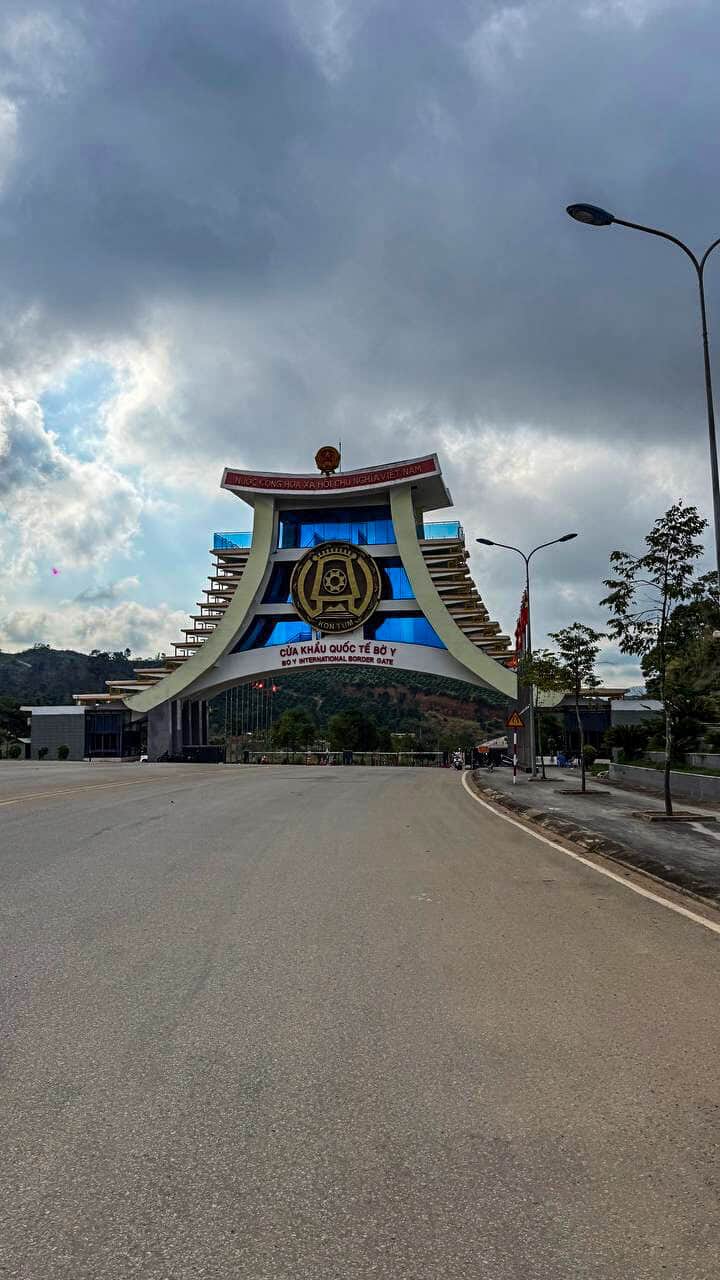
- Entry points: Accepted at all 83 official entry points — airports, land border crossings, and seaports
- Fees are non-refundable — even if your application is rejected
What you need for the application:
- Passport valid for at least 6 months beyond your departure date from Vietnam
- Digital passport photo — white background, face clearly visible, taken within the last 6 months
- Clear scan of your passport bio page
- Valid email address for your approval
- Credit or debit card for payment
🚫 What No Longer Works in 2026
The Visa on Arrival (VOA) approval letter system is completely dead.
If you find a website still selling “VOA letters” for Vietnam, close it immediately. The system where you paid a service fee, received an approval letter by email, and had your passport stamped at the airport — that system is gone. The e-visa has fully replaced it for all nationalities.
Do not plan your trip around this outdated method.
⚠️ New Requirement for 2026: Digital Arrival Card
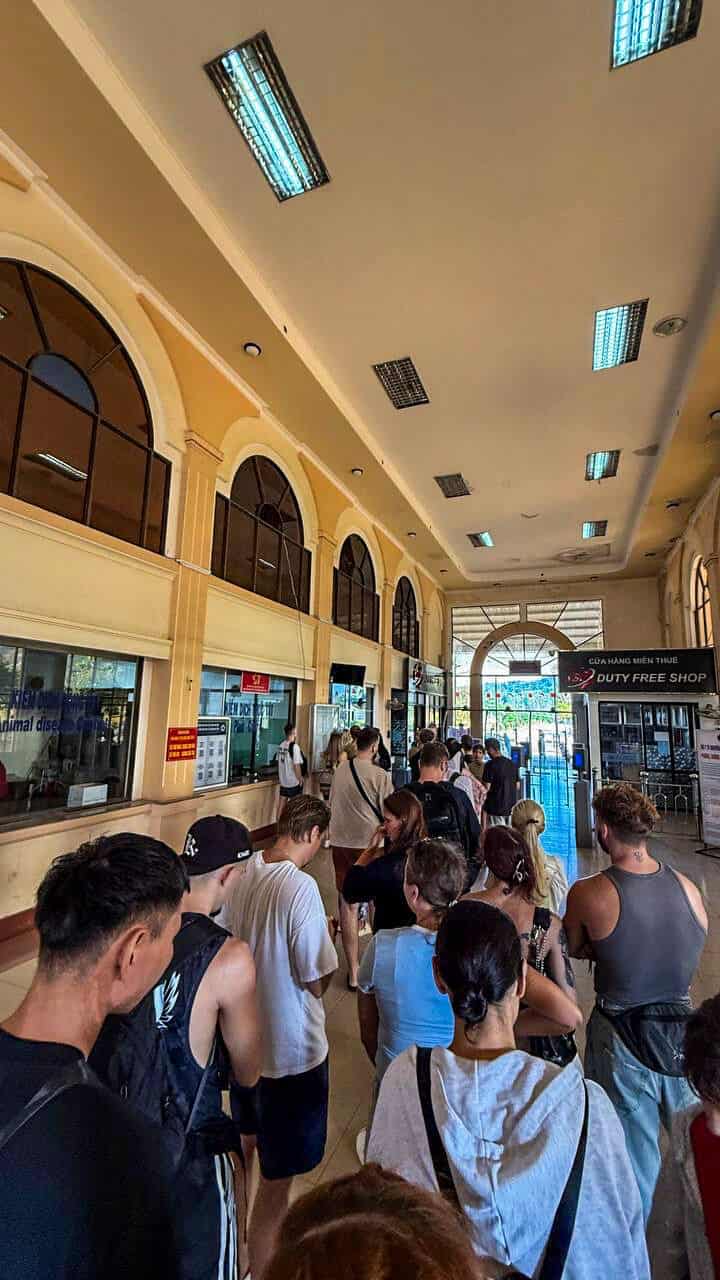
Effective April 15, 2026, all travelers entering via major hubs like Tan Son Nhat (SGN) must complete a Vietnam Digital Arrival Card before boarding.
When to file: Within 72 hours before arrival
Where: Official portal at prearrival.immigration.gov.vn
Requirement: Upload your e-visa and passport details to generate a Personal QR Code
Benefit: The QR code gives you access to Fast-Track lanes, reducing immigration wait times to under 10 minutes
📌 Step-by-Step: How to Apply for a Vietnam E-Visa
- Go to the official portal: evisa.gov.vn — this is the only official government site. Beware of fake websites that rank highly on search engines.
- Click “Apply Now” and complete the online form.
- Enter your name exactly as it appears in your passport — this is the most common reason for rejection.
- Upload your photo and passport scan — make sure the image is clear and meets the requirements.
- Select your port of entry carefully — if you arrive at a different port than what’s on your e-visa, you will be denied entry.
- Pay the fee — $25 for single entry, $50 for multiple entry.
- Wait for approval — standard processing takes 3 business days.
- Print two copies of your e-visa — digital copies are often not accepted as a primary document at land borders.
You can check current ticket and travel deals to plan your flights after your visa is approved.
❓ Frequently Asked Questions
How long does the e-visa take?
Standard processing is 3 business days. Urgent processing can get it to you in 2–4 hours. Apply at least 2 weeks in advance to be safe.
Can I extend my e-visa while in Vietnam?
The 45-day visa waiver cannot be extended. For e-visas, extensions are possible but require a visit to the immigration office in Vietnam and are not guaranteed. It’s better to apply for the correct duration upfront.
What if my e-visa application is rejected?
The fee is non-refundable even if your application is rejected. Common reasons for rejection include: name mismatch, low-quality photo/scan, or incorrect port of entry selection. Double-check everything before submitting.
Can I enter Vietnam by land or sea with an e-visa?
Yes — e-visas are accepted at all 83 official entry points, including land borders and seaports.
Do children need a visa?
Yes — children of all nationalities require their own visa or must be included in a parent’s visa, depending on the rules. Check with the official portal or your visa service.
💎 Final Verdict
Vietnam’s visa system in 2026 is simpler than ever — but only if you use the correct process. The 90-day e-visa is available to all nationalities, applied for entirely online, and accepted at all entry points. The old Visa on Arrival system is gone. If you’re from one of the 39 visa-exempt countries, you can skip the visa for short stays — but for anything longer, or for multiple entries, the e-visa is your friend.
🏨 Where to Stay & What to Pair It With
Once your visa is approved, it’s time to book your accommodation. You’ll find everything from budget guesthouses to luxury resorts across Vietnam — check hotels in Vietnam to compare prices and read guest reviews. For a broader overview, I’ve put together guides to the best hotels on Phu Quoc, best hotels in Da Nang, and best hotels in Nha Trang if you’re still deciding where to base yourself.
Pair your trip with a visit to Ngoc Hien Pearl Farm for a unique cultural experience, or Sim Sơn Winery for a taste of Phu Quoc’s famous sim wine. For a full day of adventure, combine it with VinWonders and Safari — the park is one of the island’s top attractions.
Planning a wider Southeast Asia trip?
Cambodia With Me — practical Cambodia travel guides
Siam With Me — Thailand travel guides
Indonesia With Me — Indonesia travel guides
Singapore With Me — Singapore travel guides
Build your Vietnam route — free.