Vietnamese street food is generally safe if you know what to look for — the golden rules are to eat where locals eat, choose freshly cooked dishes, and avoid tap water. In 2026, food safety became a hot topic in Vietnam after bánh mì poisoning incidents in Ho Chi Minh City sent over 130 people to hospitals; authorities are cracking down, but the risk remains. This guide explains what’s safe, what’s risky, and how to eat like a local.
Eating well is part of the experience — and with the right approach, you can enjoy every bite without worry.
⚠️ The 2026 Reality: Why Food Safety Is in the News
In March 2026, two suspected mass food poisoning outbreaks linked to bánh mì occurred in Ho Chi Minh City, sending about 130 people to hospitals. The city’s Food Safety Department issued an urgent warning, urging residents to “eat well-cooked food and drink boiled water”.
The problem isn’t the bread — it’s the pâté, cold cuts, and mayonnaise. Homemade pâté, in particular, is risky because it’s often prepared in large blocks and used gradually without proper refrigeration. In hot weather, bacteria like Salmonella and E. coli can multiply quickly.
But here’s the good news: most visitors eat street food daily without issues. The difference between getting sick and staying healthy is rarely luck — it’s about knowing what to look for.
🍜 What to Eat — The Safe List
Phở (noodle soup): One of the safest choices. The boiling broth kills bacteria, and the meat is cooked fresh. Just make sure the stall is busy and the broth is piping hot.
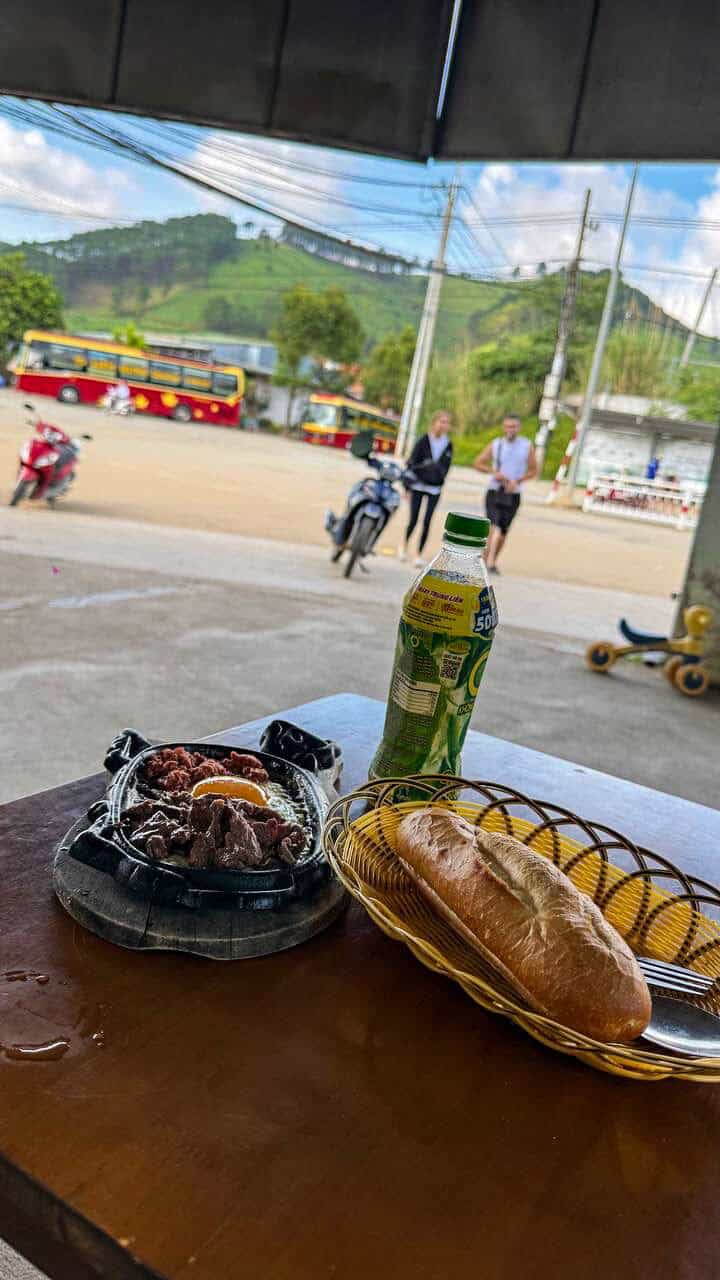
Bánh mì (Vietnamese sandwich): Safe if the bread is freshly baked and the fillings are prepared to order. In 2026, be extra careful with pâté — check that it’s refrigerated and ask when it was made. If the stall looks clean and the owner handles food with gloves, you’re good.
Bún bò Huế (spicy beef noodle soup): Like phở, it’s served boiling hot — which kills bacteria.
Bánh xèo (crispy pancakes): Cooked to order right in front of you. You see the batter hit the pan, the fillings go in, and the steam rises. Hard to beat that level of transparency.
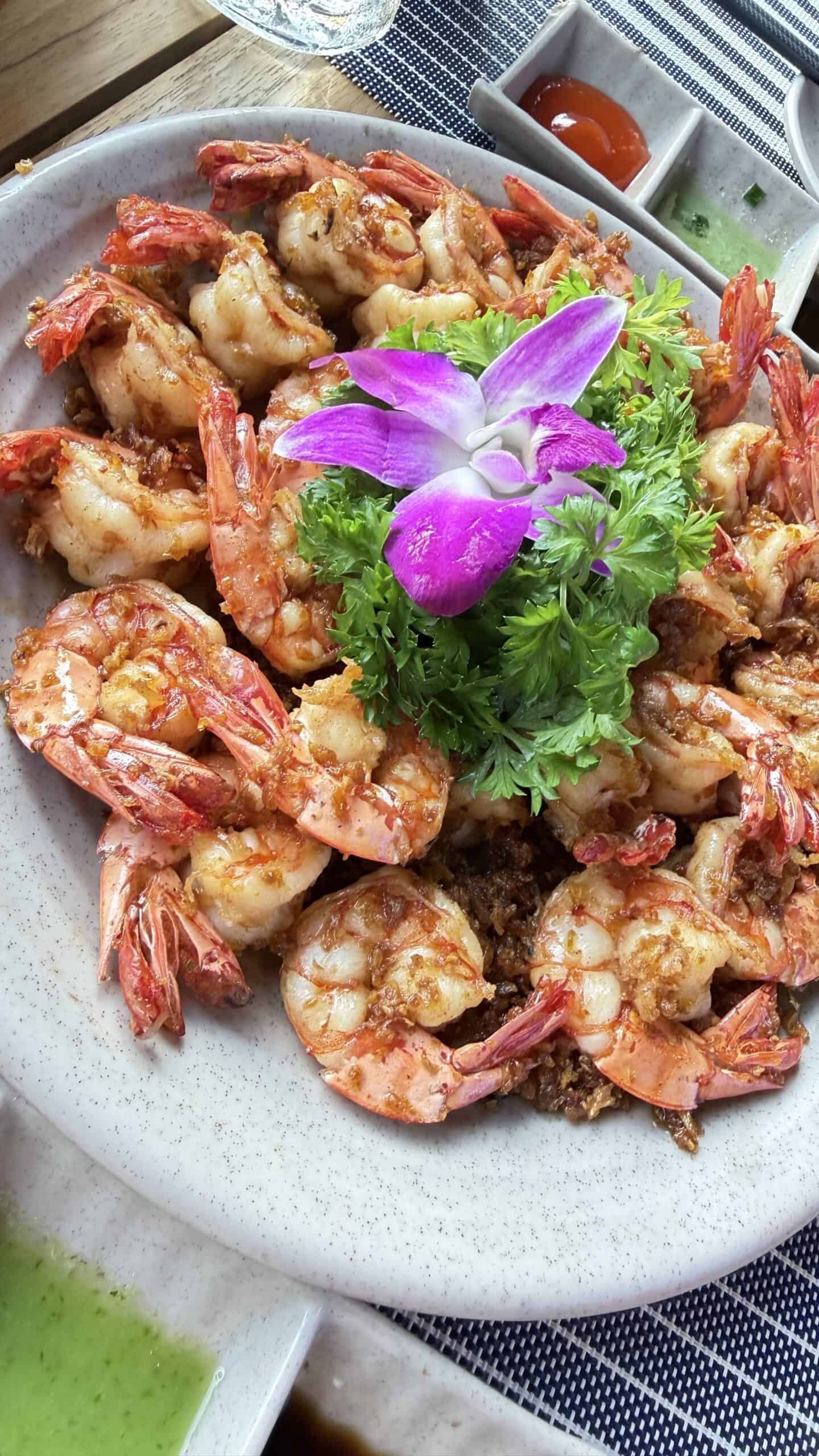
Grilled seafood and meats: If you see flames, you’re safe. High heat kills bacteria, and freshly grilled food hasn’t been sitting around.
Fresh coconut water: Safe — it comes straight from the coconut.
Factory-made ice (tube ice): The cylindrical ice with a hole through the middle is safe. It’s produced at licensed factories from filtered water. Most cafes in Hanoi, Ho Chi Minh City, Đà Nẵng, Hội An, and Nha Trang use tube ice — it’s a good sign if you see it.
🚫 What to Avoid — The Risky List
Raw or undercooked meat and seafood: While some local delicacies are served raw (like tiết canh — raw duck blood soup), these carry high risks of bacterial infection and parasites. Avoid them.
Pre-cooked food sitting out: If food has been sitting in the open for hours, bacteria multiply fast. In Vietnam’s heat, the two-hour rule is generous — if it looks like it’s been out longer, skip it.
Salads and raw vegetables: In many tourist areas, they’re washed in tap water — not safe. If you’re eating a salad, ask if it was washed with bottled water. Most vendors will be honest.
Food from stalls with poor hygiene: If the stall is messy, if the vendor handles money then food without washing hands, or if there are flies around — walk away.
Homemade yogurt and unpasteurized dairy: Uncommon, but if you see it, avoid it. The risk of contamination is high in hot climates.
Unidentified meat: When in doubt, skip it. Stick to pork, chicken, beef, and seafood that you can recognize.
🌊 Tap Water & Ice — The Real Risks
Tap water is not safe for drinking anywhere in Vietnam. Use it for washing, but not for drinking or brushing your teeth unless it’s been boiled.
Bottled water is cheap and everywhere: A 1.5-litre bottle costs 5,000–10,000 VND ($0.20–$0.40). Always check the seal is intact — some vendors refill bottles with tap water.
Ice: Tube ice (with a hole) is safe. Crushed or block ice from street stalls may be made from tap water — skip it.
In 2026, there’s a growing shift towards bottled water for safety. Many cafes now use filtered water for their drinks — ask if you’re unsure.
🧼 How to Spot a Safe Street Food Stall
Look for a queue: If locals are queuing, it’s good. Locals know which stalls are safe and which aren’t.
High turnover: Food that sells quickly doesn’t sit out long. The faster the turnover, the fresher the food.
The chef’s hands: If the vendor handles money with one hand and food with the other without washing, think twice. Ideally, they use tongs, gloves, or a designated person for money.
Clean workspace: A messy, cluttered stall with food scraps and dirty utensils is a red flag.
Fresh ingredients: Meat and vegetables should look fresh. Wilted greens or pale meat are signs to walk away.
Location: The food at night markets tends to be freshly cooked, with high turnover. But the quality varies — look for the queues.
📍 Regional Specialties & Risks
Hanoi (North): Known for phở, bún chả, and bánh cuốn. Safe bets. In the Old Quarter, avoid stalls that look like they’ve been set up for hours.
Huế (Centre): Known for bún bò Huế and cơm hến. Spicy, flavorful, and generally safe if fresh. Be cautious with tôm chua (fermented shrimp paste) — it’s very strongly flavored and often consumed raw, which can be a red flag.
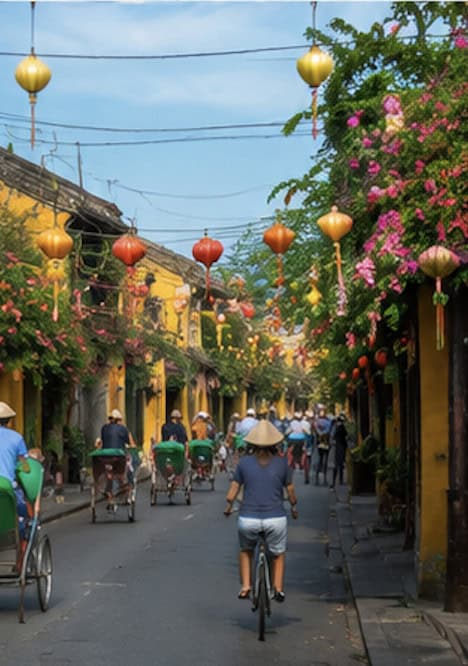
Hội An (Centre): Known for cao lầu — a pork and noodle dish that requires a lot of handling. In 2026, some articles have flagged it for hygiene issues due to the handling. Choose a stall with high turnover.
Nha Trang (South): Known for seafood. The seafood here is excellent — order it grilled or fried, as this kills bacteria. Avoid raw seafood.
Ho Chi Minh City (South): Known for bánh mì, hủ tiếu, and cơm tấm. In 2026, bánh mì is under the spotlight after the food poisoning outbreaks — choose stalls with visible, clean preparation.
🍽️ Vietnam food safety: What to Do If You Get Sick
Most cases resolve within 24–48 hours. Drink plenty of bottled water with oral rehydration salts (available at any pharmacy).
If you have vomiting or diarrhea for more than 24 hours: Seek medical attention. Private hospitals in Hanoi, Ho Chi Minh City, and Da Nang are clean and English-speaking. They accept international insurance or require upfront payment.
Common medications to carry: Loperamide (Imodium) for diarrhea, oral rehydration salts, and paracetamol for fever. These are available at any pharmacy in Vietnam.
When to seek help: If you have severe pain, high fever (over 39°C), bloody stools, or symptoms of dehydration (dizziness, dry mouth, not urinating), go to a hospital.
❓ Frequently Asked Questions
Is street food safe in Vietnam?
Generally yes — if you choose busy stalls with freshly cooked food. Skip pre-cooked food that has been sitting out.
Can I eat raw vegetables in Vietnam?
Be cautious. Salad and raw vegetables may be washed in tap water. Eat them at reputable restaurants — street stalls are riskier.
Is it safe to eat bánh mì?
Yes — but in 2026, be extra cautious with the pâté and cold cuts. Choose stalls with high turnover and visible, clean preparation.
Can I drink tap water in Vietnam?
No. Stick to bottled water for drinking and brushing your teeth.
Is tube ice safe?
Yes — tube ice with a hole is made from filtered water. Crushed ice from street stalls is riskier — skip it.
What should I do if I get food poisoning?
Drink plenty of bottled water with rehydration salts. If symptoms persist for more than 24 hours, seek medical attention.
💎 Final Verdict
Vietnam’s street food is some of the best in the world. However, with basic precautions, you can enjoy it safely. The golden rule is to eat where locals eat and choose freshly cooked food. Avoid pre-cooked food and tap water. In 2026, bánh mì requires extra attention. This focus helps Vietnam food safety, and with the right choices you’ll eat well and stay healthy.
🏨 Where to Stay & What to Pair It With
Once you’ve got your food safety knowledge, it’s time to book your accommodation. You’ll find everything from budget guesthouses to luxury resorts across Vietnam — check hotels in Vietnam to compare prices and read guest reviews. For a broader overview, I’ve put together guides to the best hotels on Phu Quoc, best hotels in Da Nang, and best hotels in Nha Trang if you’re still deciding where to base yourself.
Planning a wider Southeast Asia trip?
Cambodia With Me — practical Cambodia travel guides
Siam With Me — Thailand travel guides
Indonesia With Me — Indonesia travel guides
Singapore With Me — Singapore travel guides
Build your Vietnam route — free.