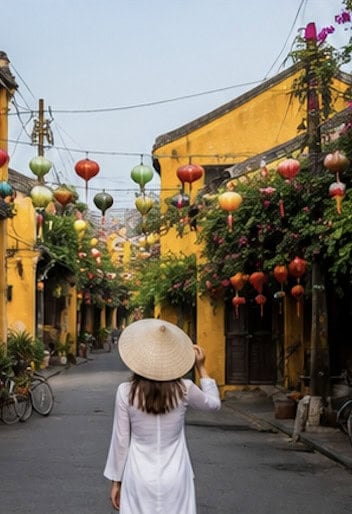
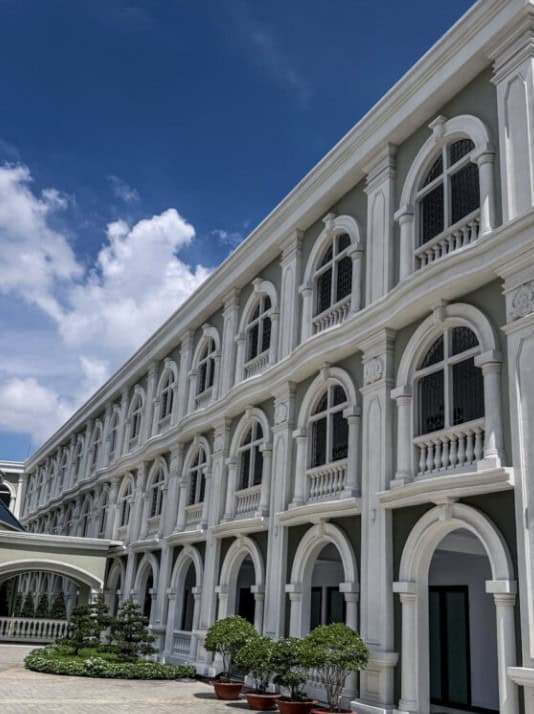
Quick answer: Hoi An Ancient Town is a UNESCO World Heritage site and one of Vietnam’s most beautiful destinations. During that era, it served as a major trading port for ships from Japan, China, Portugal, Spain, and the Netherlands. Today it remains a cultural cradle with preserved architecture and canals.
Walking streets are pedestrian-only from 9:00 to 11:00 AM and from 3:00 to 9:00 PM in winter. In summer, hours extend to 9:30 PM. A ticket costs 120,000 VND and covers five visits from twenty-five sites, plus a traditional art performance. For most visitors, two to three days in the town are enough to see the highlights.
Hội An was one of the busiest trading ports in Southeast Asia between the 15th and 18th centuries. Ships from Japan, China, Portugal, Spain, and the Netherlands all docked here. Merchants settled, built houses, married locals, and left behind a town that looks like it stopped changing in the 19th century.
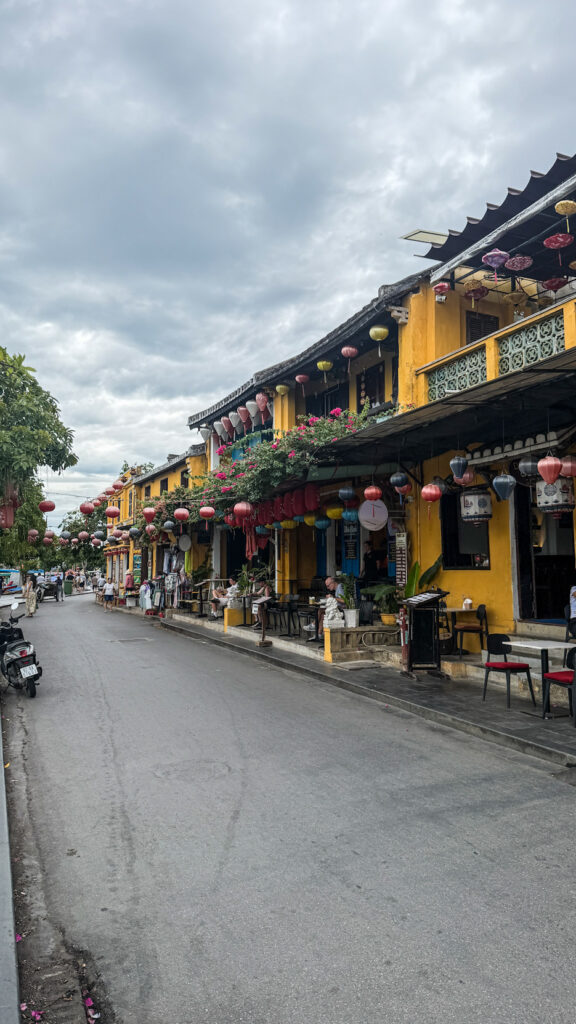
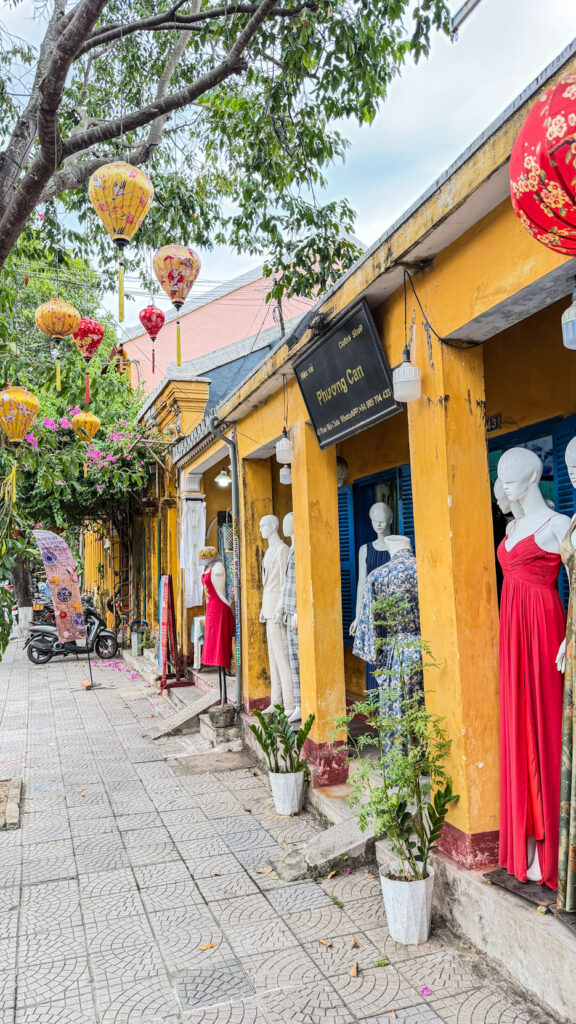
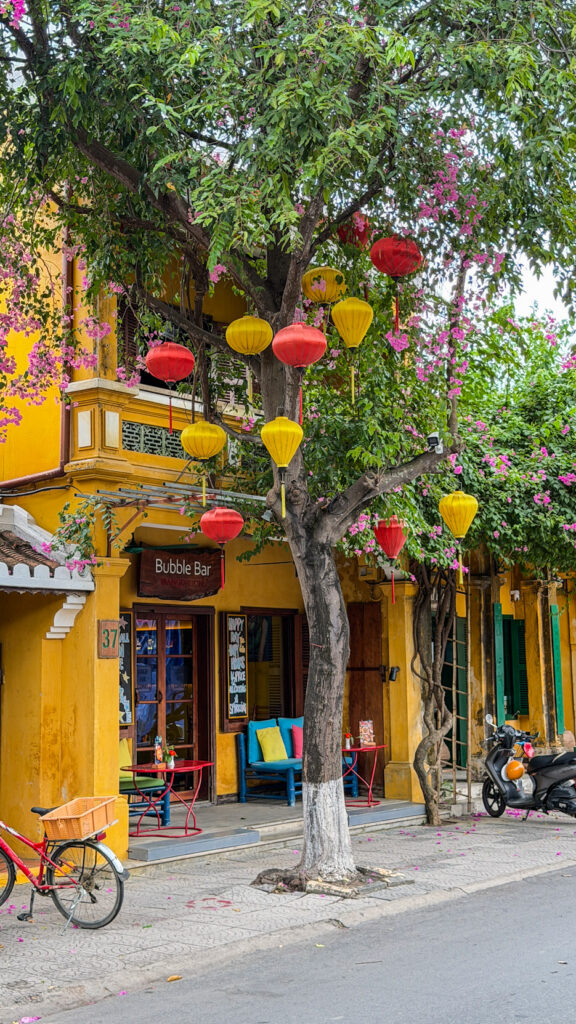
The architecture is a blend of Vietnamese, Chinese, Japanese, and European influences — wooden houses, tiled roofs, and shuttered windows line the narrow streets. In 1999, UNESCO recognized the town as a World Heritage site. In 2023, Hội An joined the UNESCO Creative Cities network for its crafts and folk arts.
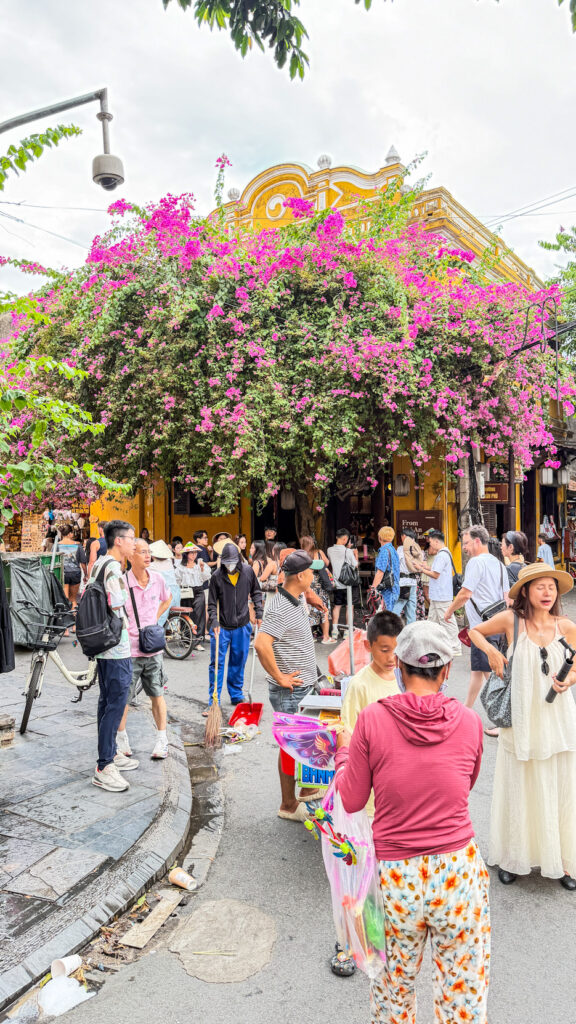
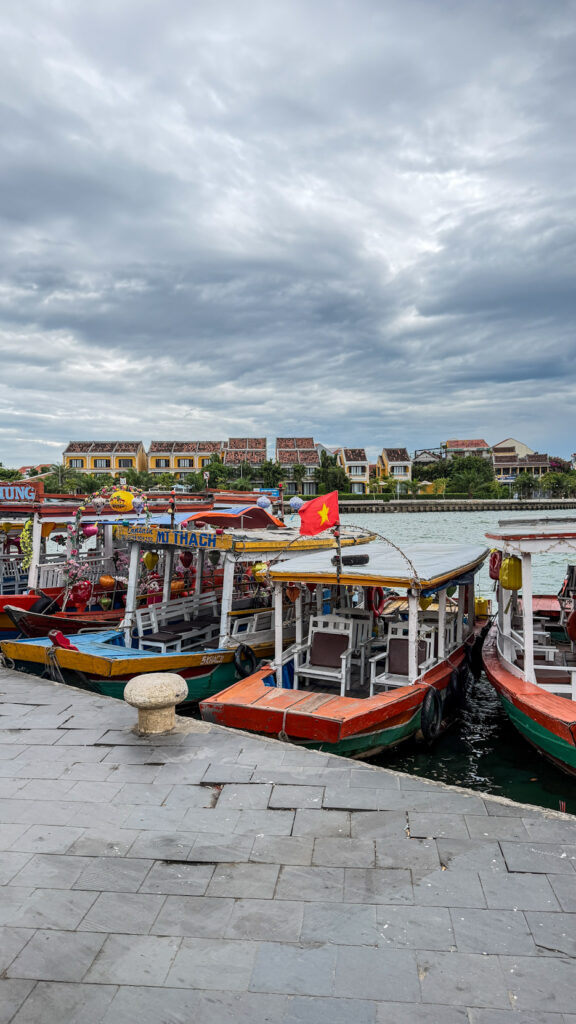
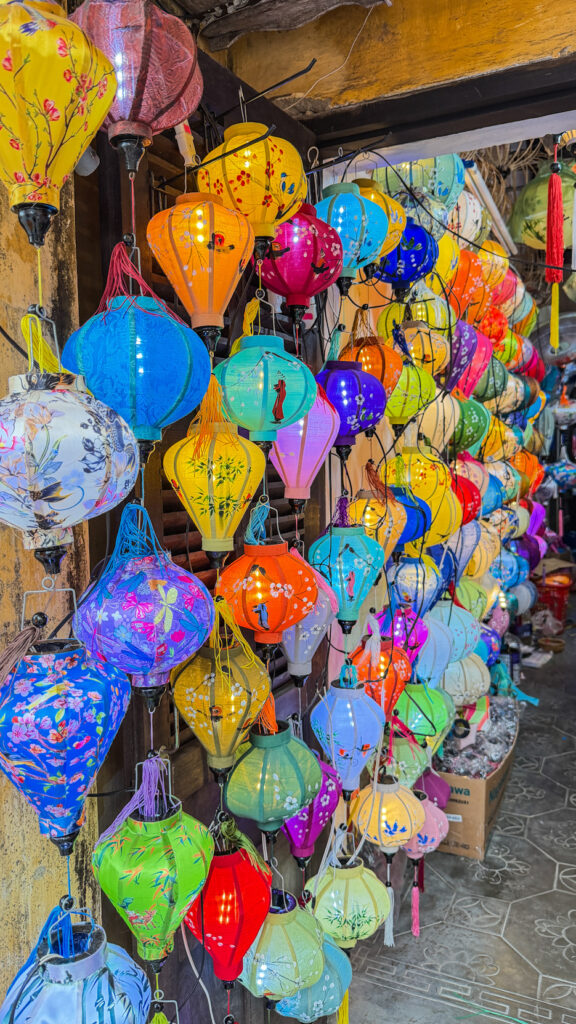
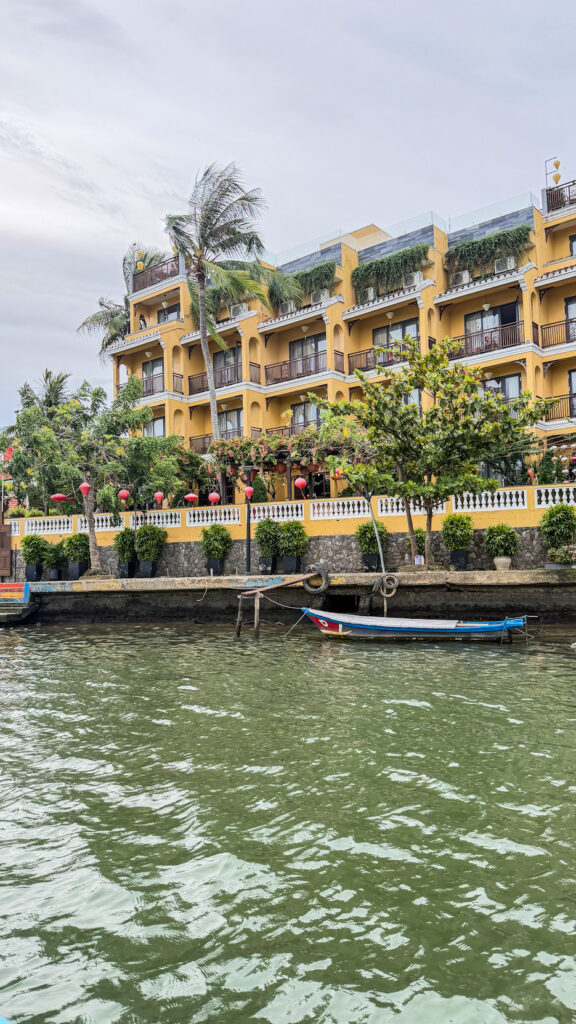
We walked through the streets during the day and again at night. The town changes completely after dark — the lanterns come on, the crowds thin out, and the river reflects the lights from the old houses. The walking streets are pedestrian-only during the day and evening, making it easy to explore on foot.
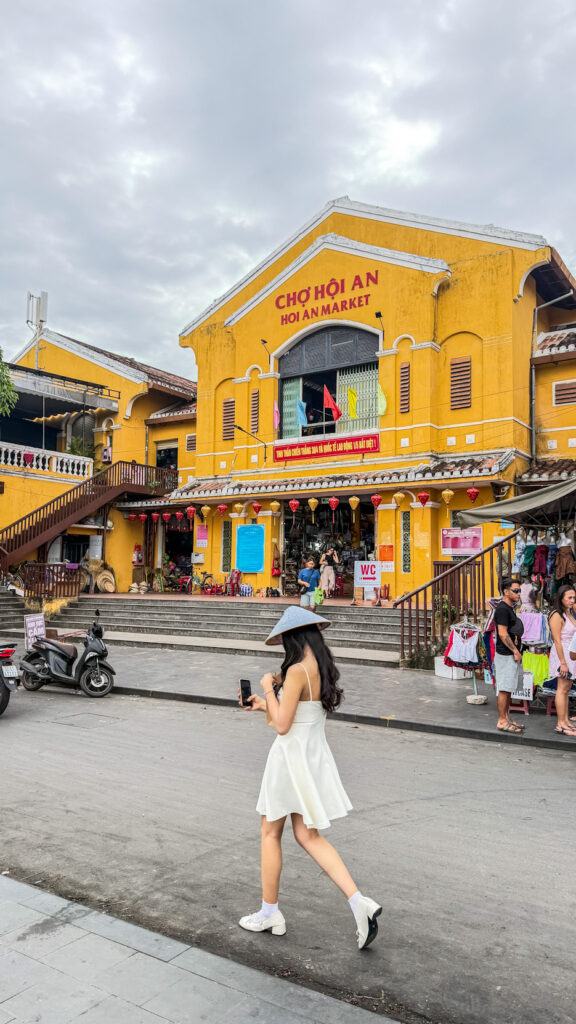
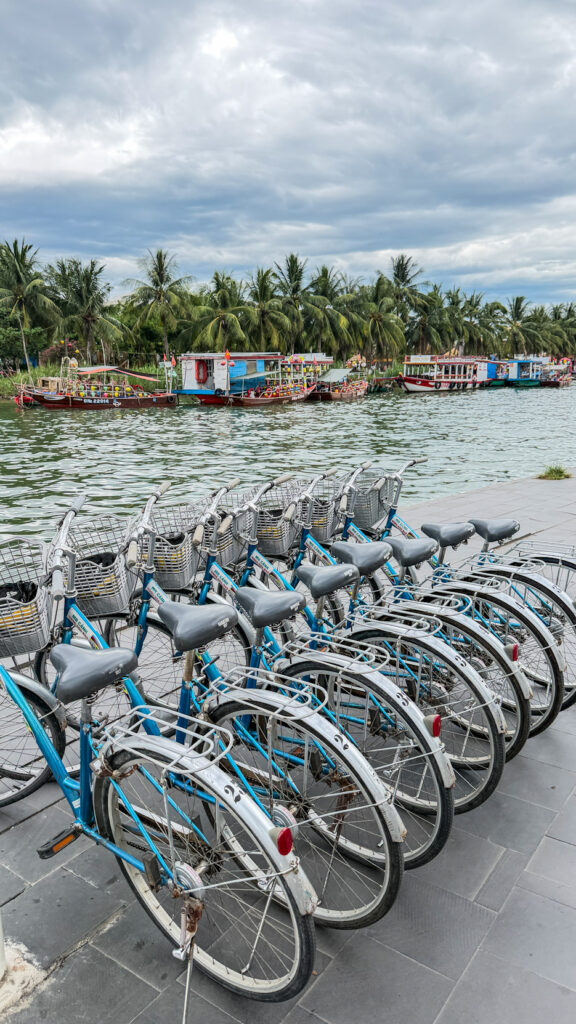
🎟️ The Ticket System — How It Works
Unlike many heritage sites, Hội An requires a ticket to enter the main attractions. One ticket costs 120,000 VND and allows you to visit 5 of the 25 listed sites. You also get access to a traditional art performance included in the ticket.
Where to buy: The main ticket office is at 10B Trần Hưng Đạo, but you can also buy tickets at smaller booths at the entrances to the Old Town. The ticket is valid for the duration of your stay — you don’t need to use all 5 visits on the same day.
What’s included:
- 5 visits to any of the 25 listed sites (assembly halls, old houses, museums, communal houses, and the Japanese Covered Bridge)
- Traditional art performance at 66 Bạch Đằng (sessions at 10:15 AM, 3:15 PM, and 4:15 PM)
- Demonstration of sweet black sesame soup
What’s NOT included:
- Precious Heritage Museum — completely free, no ticket required
- Japanese Culture Gallery — free entry
- Craft villages (Thanh Hà, Trà Quế, Kim Bồng) — separate fees apply
- Basket boat rides in the coconut forest — pay at the dock
🚶 Walking Streets — When to Go
Hội An’s Ancient Town is pedestrian-only during specific hours, making it much more pleasant to explore on foot.
| Season | Morning Hours | Afternoon Hours |
|---|---|---|
| Winter | 9:00 – 11:00 AM | 3:00 – 9:00 PM |
| Summer | 9:00 – 11:00 AM | 3:00 – 9:30 PM |
The morning hours are quieter — you’ll have the streets almost to yourself. The evening hours are when the town comes alive: lanterns glow, street performers appear, and the river reflects the lights from the old houses. If you want to avoid the crowds, come early in the morning or just before the walking street hours end.
🏛️ The 25 Sites — What to Visit
The ticket system is designed to make you choose. With 5 visits, you need to prioritize. Here’s what’s available:
Assembly Halls (Chinese community halls):
- Phúc Kiến Assembly Hall — the most impressive, with a large courtyard and intricate dragon statues
- Quảng Triệu Assembly Hall — smaller but beautifully preserved
- Triều Châu Assembly Hall — known for its ornate roof carvings
- Hải Nam Assembly Hall — dedicated to the memory of Hainan merchants who died at sea
Old Houses (traditional merchant homes):
- Tấn Ký Old House — a 200-year-old merchant house, still lived in by descendants
- Phùng Hưng Old House — a blend of Vietnamese, Chinese, and Japanese architecture
- Quân Thắng Old House — known for its wooden carvings and antique furniture
- Đức An Old House — a well-preserved example of a typical Hội An home
- Trần Family’s Chapel — a family temple with beautiful woodwork
- Nguyễn Tường Family’s Chapel — another fine example of Hội An’s family heritage
Museums (all included with the ticket):
- Museum of Trade Ceramics — pottery from shipwrecks, housed in a restored merchant house
- Hội An Museum — general history of the town
- Museum of Sa Huỳnh Culture — artifacts from the pre-Cham period
- Museum of Folk Culture — objects from daily life in central Vietnam
- Museum of Traditional Medicine — 19th-century pharmacy with pulse diagnosis and herbal foot baths
- Museum of Local Products — spices, agarwood, and the trade routes that made Hội An rich
Communal Houses & Temples:
- Quan Công Temple — a Chinese-style temple dedicated to the god of war
- Cẩm Phô Communal House — one of the oldest communal houses in Hội An
- Minh Hương Communal House — built by Chinese immigrants who married locals
- Hội An Communal House — the main meeting place for the town’s residents
Other included sites:
- Japanese Covered Bridge — the symbol of Hội An, with a temple inside
- Vietnamese-Japanese Cultural Space — tea ceremonies, origami, costume dressing
- Demonstration of Sweet Black Sesame Soup — a local specialty, included with the ticket
Which ones to choose?
If you have only 5 visits, my recommendation:
- Phúc Kiến Assembly Hall — the most impressive, do it first
- Japanese Covered Bridge — the symbol of Hội An
- Museum of Trade Ceramics — housed in a beautiful old building
- Quân Thắng Old House — a well-preserved merchant home
- Traditional Art Performance — at 66 Bạch Đằng, included with the ticket
🎭 Traditional Art Performance
Every ticket includes entry to the Traditional Art Performance at 66 Bạch Đằng. The shows run at 10:15 AM, 3:15 PM, and 4:15 PM daily.
The performance includes folk music, classical opera extracts, solo and group performances of traditional instruments, and traditional dances. It lasts about 30–40 minutes and is a good way to take a break from walking. The venue is small, so arrive a few minutes early to get a seat.
🏡 Beyond the Old Town — Craft Villages & Nature
Hội An’s surroundings are just as interesting as the Old Town itself. Three craft villages are worth visiting if you have extra time:
- Thanh Hà Pottery Village — see traditional pottery-making, 400 years old
- Trà Quế Vegetable Village — organic farming, you can join a cooking class or a farm tour
- Kim Bồng Carpentry Village — traditional woodworking, still active
The Bảy Mẫu Nipa Palm Forest is another popular spot, where you can take a basket boat ride through the coconut palms. It’s about 15 minutes from the Old Town — read my Hoi An Basket Boat Ride guide for details on how to negotiate the price.
For nature lovers, Cham Island is a day trip option — a UNESCO Biosphere Reserve with snorkeling, coral reefs, and pristine beaches.
📌 Practical Tips
- Buy your ticket early — the ticket booths open at 7:30 AM, and the morning hours are quieter
- Plan your 5 visits — the assembly halls get crowded after 11 AM, so do those first
- Check the walking street hours — if you’re visiting in winter, the evening closure is earlier (9 PM instead of 9:30 PM)
- Visit the Precious Heritage Museum — it’s free, so it doesn’t count towards your 5 visits
- Bring cash — the ticket office accepts cards, but it’s slower; cash is faster
- Dress modestly — sleeveless tops, shorts above the knee, and short skirts are not welcome inside the sightseeing places (it’s stated on the ticket)
- Don’t skip the art performance — it’s included, and it’s one of the best-value parts of the ticket
💎 Final Verdict
Hoi An Ancient Town is one of Vietnam’s most beautiful places, but it’s also one of the most touristy. The ticket system forces you to choose, which is actually a good thing. You don’t need to see all 25 sites. Pick 5 that interest you, take your time, and enjoy the walking streets when they’re pedestrian-only.
The town changes completely after dark. The lanterns come on, the boats fill the river, and the night market hums with activity. It’s worth staying at least one night to experience both versions — daytime Hội An and lantern-lit Hội An.
Once you’ve explored the Old Town, check out my guides to Precious Heritage Museum (free, no ticket needed) and Hội An Memories Show for a full evening experience.
🏨 Where to Stay & What to Pair It With
Once you’ve sorted your Old Town plan, it’s time to book your accommodation. You’ll find everything from budget homestays to luxury resorts in Hội An — check hotels in Hội An to compare prices and read guest reviews. For a broader overview, I’ve put together guides to the best hotels in Da Nang and best hotels in Hanoi if you’re continuing your journey.
Pair your visit with a trip to Da Nang (40 minutes away) or the basket boat ride in the coconut forest for a completely different Hội An experience.
Frequently Asked Questions
How much does a Hoi An Ancient Town ticket cost?
A ticket costs 120,000 VND and covers 5 visits to any of the 25 listed sites, plus a traditional art performance.
When did Hoi An become a UNESCO World Heritage site?
In 1999. In 2023, it also joined the UNESCO Creative Cities network.
When are the walking streets pedestrian-only?
From 9:00–11:00 AM and 3:00–9:00 PM in winter, extending to 9:30 PM in summer.
Where do I buy the ticket?
The main ticket office is at 10B Trần Hưng Đạo, with smaller booths at the Old Town entrances.
How many days should I spend in Hoi An?
Two to three days are enough for most visitors to see the highlights.
Planning a wider Southeast Asia trip?
Cambodia With Me — practical Cambodia travel guides
Siam With Me — Thailand travel guides
Indonesia With Me — Indonesia travel guides
Singapore With Me — Singapore travel guides
Build your Vietnam route — free.