Da Lat coffee culture is one of the best reasons to slow down and explore beyond the city centre. The mountain climate, highland farms and long coffee-growing tradition have made Da Lat one of Vietnam’s most interesting destinations for coffee lovers.
You can experience Da Lat coffee in several ways: sit in a small local cafe, visit a working coffee farm, learn how coffee cherries are processed, or join a tasting where you can compare different beans and brewing methods.
The best experience, however, is to combine the two. Spend some time exploring Da Lat’s cafes, then leave the city and see where the coffee actually comes from.
Why Is Da Lat Famous for Coffee?
Da Lat sits in Vietnam’s Central Highlands, where the cooler mountain climate and elevation create conditions that are particularly suitable for coffee cultivation.
Vietnam is best known internationally for strong Robusta coffee, but the Da Lat area is also closely associated with Arabica. The difference is noticeable in the cup. Robusta is generally stronger, heavier and more bitter, while good Arabica can have a more delicate aroma, acidity and range of flavours.
Coffee is therefore more than a drink in Da Lat. It is part of the agricultural landscape surrounding the city and an increasingly important part of the local tourism experience.
If this is your first trip to the city, my Da Lat for First-Time Visitors guide is a useful place to start. It covers the main attractions, coffee farms, waterfalls, flowers and other things worth doing in the area.
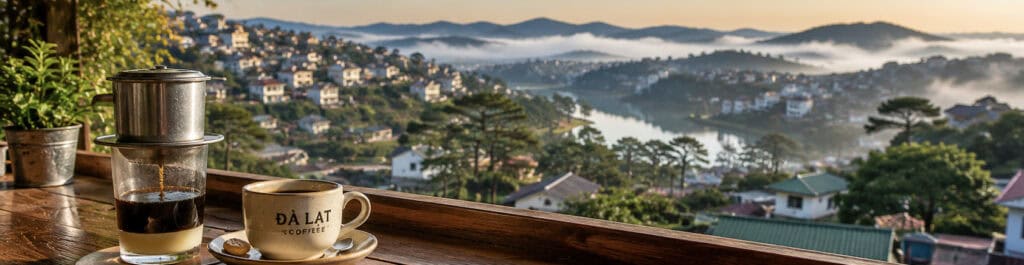
Da Lat Coffee Culture: More Than Just a Cup
Coffee culture in Da Lat is closely connected to the city’s atmosphere. The cooler weather makes sitting in a cafe for an hour or two particularly enjoyable, especially compared with Vietnam’s hotter coastal destinations.
You will find everything from simple Vietnamese cafes serving traditional phin coffee to modern specialty coffee shops focused on single-origin beans, pour-over brewing and espresso.
There is no single correct way to experience Da Lat coffee. A local cafe is perfect if you simply want to sit down with a Vietnamese coffee and watch the city go by. A specialty cafe is more interesting if you want to understand the characteristics of different beans and brewing methods.
But if you really want to understand Da Lat’s coffee culture, go one step further and visit a farm.
What Is a Da Lat Coffee Farm Tour?
A coffee farm tour takes you behind the cafe counter and into the countryside around Da Lat.
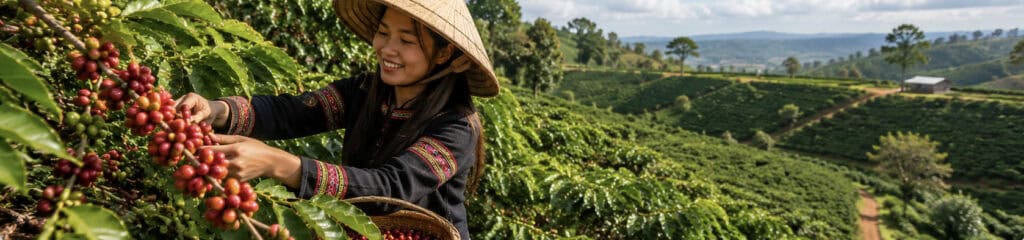
Depending on the farm and the type of tour, you may walk between coffee plants, learn about different varieties, see coffee cherries growing on the trees and discover how the fruit eventually becomes the roasted beans used to make your coffee.
The complete process can include harvesting, removing the fruit from the beans, fermentation, washing, drying, sorting, roasting and finally brewing.
This is what makes a farm visit different from simply going to another cafe. You are seeing the entire journey from the plant to the cup.
For a wider selection of activities, see my best Da Lat tours and experiences guide, which also covers countryside tours, waterfalls, trekking and other ways to explore the highlands.
Arabica vs Robusta in Da Lat
One of the most interesting things to learn on a Da Lat coffee farm is the difference between Arabica and Robusta.
| Arabica | Robusta |
|---|---|
| More delicate flavour | Stronger and more bitter |
| Often more aromatic | Higher caffeine content |
| Associated with specialty coffee | Widely used in traditional Vietnamese coffee |
| Well suited to cooler highland conditions | Generally more tolerant of warmer conditions |
Traditional Vietnamese coffee is often associated with Robusta, particularly when prepared with a phin filter and condensed milk. Da Lat, however, is also an important place to discover higher-quality Arabica and specialty coffee.
If you normally drink coffee without milk or sugar, a farm tasting is a particularly good opportunity to try Arabica prepared with a simple brewing method. You may notice flavours that are difficult to detect in a very strong traditional Vietnamese iced coffee.
What Happens During a Coffee Farm Visit?
A typical visit is much more than walking around a plantation and taking photographs.
1. Walk Through the Coffee Plantation
The first part is usually the most visual. You get to see coffee plants growing in the landscape rather than only seeing roasted beans in a bag.
Coffee cherries start green and change colour as they ripen. Seeing the fruit on the plant makes it much easier to understand how different coffee is from the finished product most travelers know.
2. Learn How Coffee Is Harvested
The quality of the final coffee begins with harvesting. Ripe cherries are selected and processed, while specialty producers generally pay much more attention to the quality and maturity of the fruit.
3. See How the Beans Are Processed
After harvesting, the coffee fruit has to be processed before the beans can be roasted. Depending on the farm, you may learn about washing, fermentation, drying and other processing methods.
4. Finish With a Coffee Tasting
The tasting is usually the most enjoyable part. After seeing where the coffee comes from and learning how it is processed, you can finally taste the result.
Some farms offer traditional Vietnamese coffee, while others focus more heavily on specialty brewing methods such as pour-over or espresso.
K’Ho Coffee and the Local Coffee Story
One of the more interesting coffee stories around Da Lat is connected with the K’Ho community and the farms around Langbiang Mountain.
K’Ho Coffee has developed a farm and roastery experience where visitors can learn about Arabica cultivation, processing and roasting while also experiencing the surrounding highland landscape.
The story is particularly interesting because coffee production in the area is connected with generations of farming knowledge and the agricultural traditions of the local K’Ho community.
For travelers interested in the connection between coffee, agriculture and local culture, this type of farm visit is much more meaningful than simply stopping at a scenic coffee shop.
When Is the Best Time to Visit a Coffee Farm in Da Lat?
You can visit coffee farms throughout the year, but the experience changes with the agricultural cycle.
During the coffee-growing season, you have a better chance of seeing cherries on the plants. Harvest periods can also make the process more interesting because you may see more activity around the farms and processing areas.
Even outside the harvest period, however, a farm visit can still be worthwhile. The landscape, cultivation methods, processing and tasting remain the main attractions.
Da Lat’s generally cool climate also makes countryside excursions more comfortable than similar agricultural experiences in hotter parts of Vietnam.
How to Visit Da Lat Coffee Farms
The easiest option for most visitors is to book an organized coffee farm tour. This removes the need to arrange transportation and usually combines the farm with other countryside attractions. Many tours can pick you up directly from your hotel in central Da Lat, which saves arranging transport separately.
You can also arrange independent visits if you already know which farm you want to visit, but check whether advance booking is required. Some smaller farms operate by appointment rather than functioning like conventional tourist attractions.
If you do not want to spend an entire day on coffee, look for a tour that combines a coffee farm with waterfalls, viewpoints, villages or other countryside stops.
Can You Visit Coffee Farms Without a Tour?
Yes, but it depends on the farm.
Some coffee farms and roasteries welcome individual visitors, while others focus on scheduled tours or workshops. Because farms are working agricultural properties rather than standard attractions, opening arrangements can vary.
If you are planning an independent visit, check the current arrangements before leaving Da Lat. This is particularly important if you want a guided tour, tasting or hands-on experience rather than simply visiting a cafe.
How Much Time Do You Need?
You do not need an entire day unless you want to combine coffee with several other countryside attractions.
A dedicated coffee experience can take several hours, particularly if it includes a plantation walk, processing demonstration and tasting. A longer countryside tour can turn the visit into a full-day excursion.
For most first-time visitors, I would allow at least half a day if coffee is one of the main reasons you want to explore outside the city.
If you are staying near Xuan Huong Lake or elsewhere in central Da Lat, allow a little extra time for the drive out to the farms and back.
What Else Can You Combine With a Coffee Farm?
Da Lat is particularly good for combining several countryside experiences in one day.
- Coffee farms and plantations
- Waterfalls
- Flower gardens and flower farms
- Strawberry farms
- Pine forests
- Mountain viewpoints
- Local villages
- Tea and agricultural farms
If you are interested in the city’s famous flowers as well as its agricultural landscape, see my Da Lat Flower Gardens guide.
Several resorts on the edge of Da Lat sit right among pine forest and farmland, which makes it easy to combine a quieter countryside stay with a coffee farm visit.
Da Lat Coffee Shops vs Coffee Farms
| Coffee shop | Coffee farm |
|---|---|
| Easy to visit | Usually requires more planning |
| Good for trying different drinks | Good for understanding production |
| Usually located in the city | Located in the surrounding countryside |
| Can take 30–90 minutes | Often takes several hours |
| Focuses on the finished drink | Shows the process from plant to cup |
Ideally, do both.
A cafe gives you the everyday side of Da Lat coffee culture, while a farm shows you the agricultural side. Together, they provide a much better understanding of why coffee is such an important part of the city.
Is a Da Lat Coffee Farm Tour Worth It?
Yes, especially if you enjoy coffee, food, agriculture, photography or experiences that take you away from the main tourist attractions.
The biggest advantage is that the experience combines several things Da Lat does particularly well: mountain scenery, agriculture, local culture and coffee.
It is also a good alternative to spending another day visiting city attractions. After a morning or afternoon among the coffee plantations, you return to Da Lat with a much better understanding of what is actually growing in the hills around the city.
Frequently Asked Questions
Is Da Lat famous for coffee?
Yes. Da Lat and the surrounding Central Highlands are important coffee-growing areas, and the city has developed a strong cafe and specialty coffee culture.
Can I visit a coffee farm in Da Lat?
Yes. Several farms and coffee experiences around Da Lat welcome visitors. Some offer tours, tastings or workshops, while others require advance arrangements.
What type of coffee is grown in Da Lat?
Both Arabica and Robusta are grown in the wider Da Lat and Central Highlands region. Da Lat is particularly associated with Arabica and specialty coffee.
Is Arabica coffee grown in Da Lat?
Yes. The highland climate around Da Lat is particularly suitable for Arabica, and several local producers focus on specialty Arabica coffee.
How long does a Da Lat coffee farm tour take?
It depends on the farm and itinerary. A coffee-focused experience can take several hours, while a countryside tour combining coffee with other attractions can take most of the day.
Do I need to book a coffee farm tour in advance?
It is recommended, particularly for smaller farms and guided workshops. Some farms operate by appointment rather than with continuous walk-in hours.
Is Da Lat coffee different from Vietnamese coffee?
Da Lat coffee is still Vietnamese coffee, but the region is particularly known for Arabica and specialty coffee. Traditional Vietnamese coffee is often based on Robusta and prepared with a phin filter, while specialty producers may use different beans and brewing methods.
Final Verdict
Da Lat coffee culture is worth experiencing beyond the cafe itself.
Spend an afternoon trying local coffee in the city, but make time for at least one trip into the surrounding countryside. Seeing coffee plants, learning how the beans are processed and finishing with a tasting gives you a completely different perspective on the drink.
For most travelers, the best combination is simple: explore Da Lat’s cafes, visit a working coffee farm and leave some time to enjoy the mountain scenery without rushing.
Da Lat is not just a place where you drink Vietnamese coffee. It is one of the places where you can see where that coffee begins.
If you are planning the rest of your Da Lat itinerary, start with the Da Lat for First-Time Visitors guide or explore more experiences in the Da Lat tours and experiences guide.
More from our travel guide network
Build your Vietnam route — free.