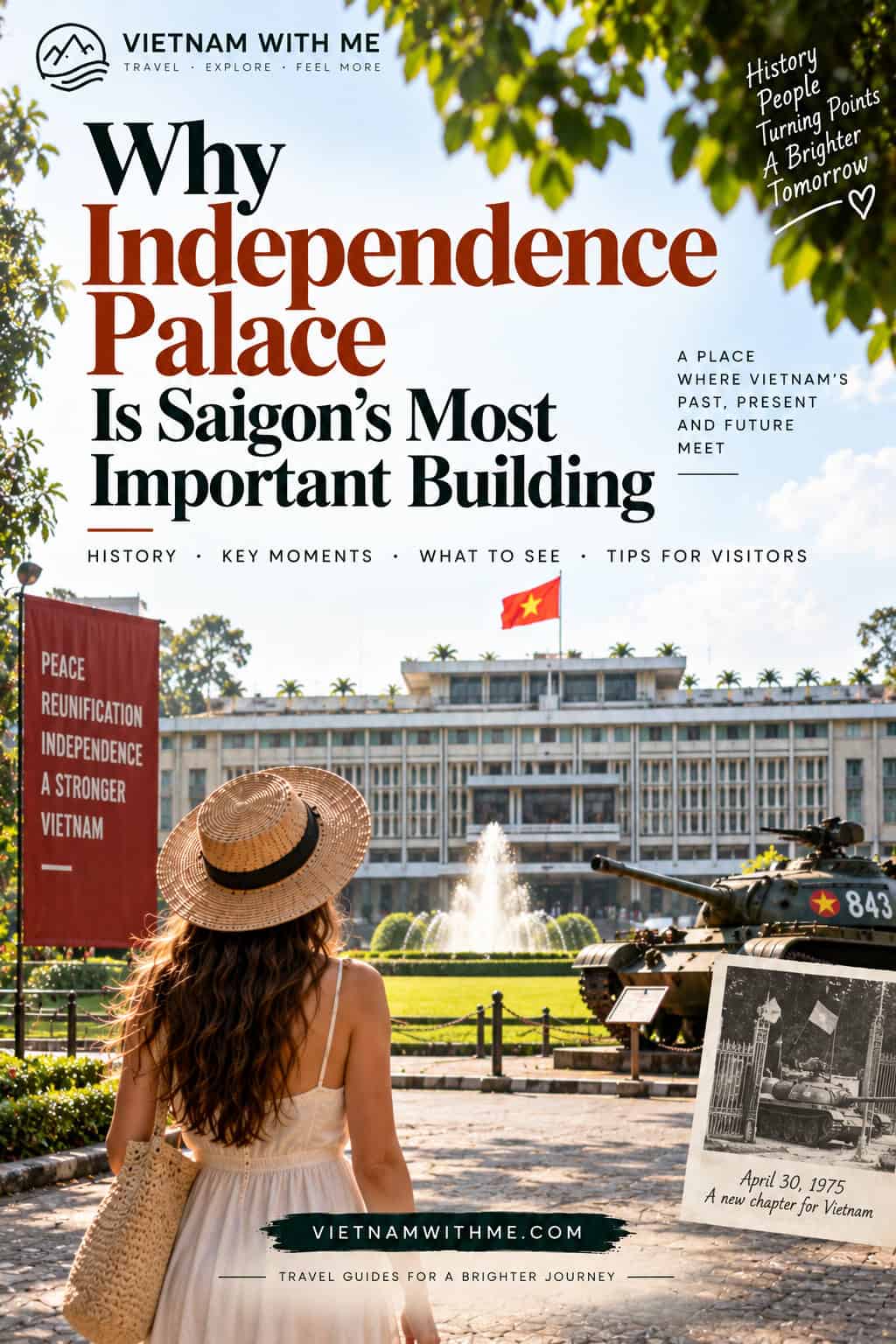
Most landmarks impress you with their size or their beauty. Independence Palace does it with sheer historical weight. On 30 April 1975, a North Vietnamese tank crashed through its front gate, and a soldier ran onto the roof to raise the Viet Cong flag. That moment, broadcast around the world, ended two decades of war. The building was renamed Reunification Palace (Dinh Thống Nhất) afterward, though it is still commonly called Independence Palace by visitors and guidebooks alike — both names refer to the same building. Today the palace stands exactly as it was that morning — the furniture, the telephones, the maps, the basement bunker — frozen in 1975. If you want to understand Saigon, start here. If you’re already checking flights to Ho Chi Minh City, put this at the top of your list. 🏛️
🏰 From Colonial Mansion to War Command Centre
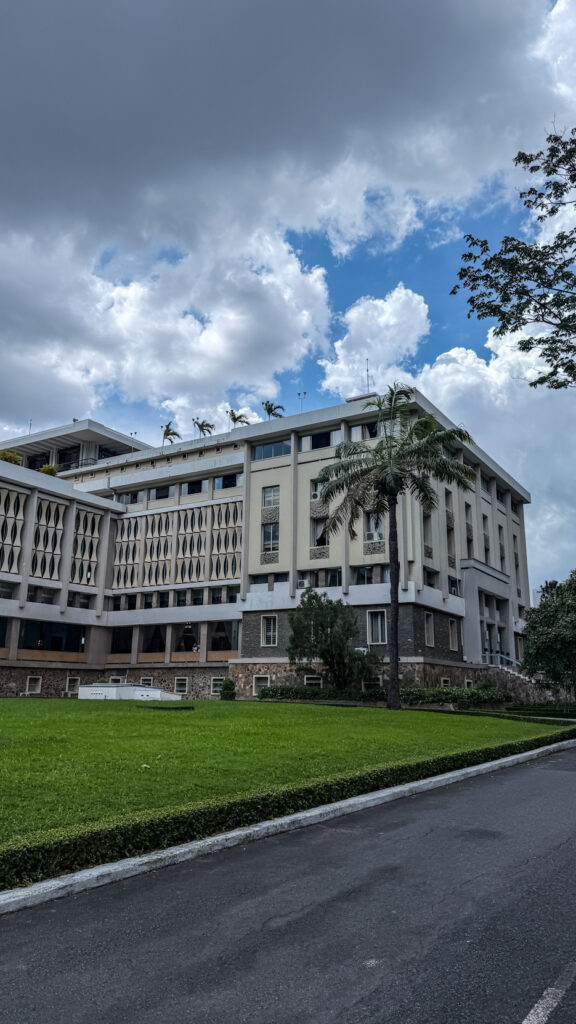
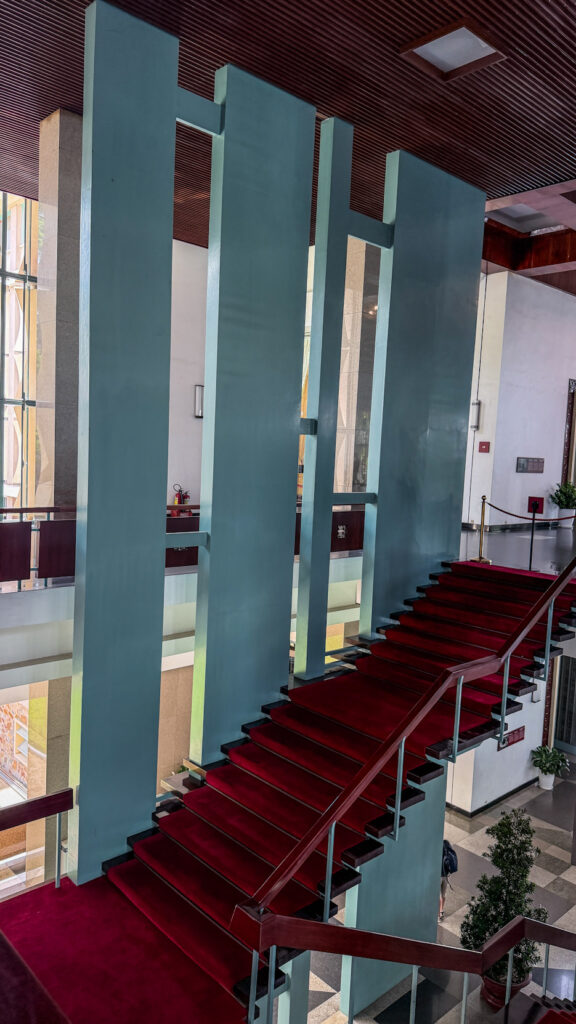
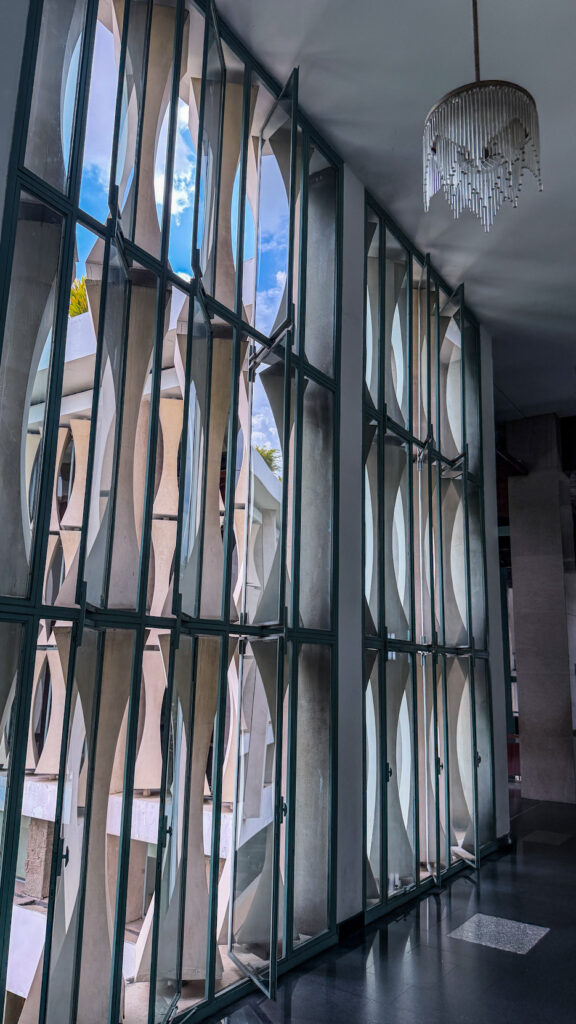
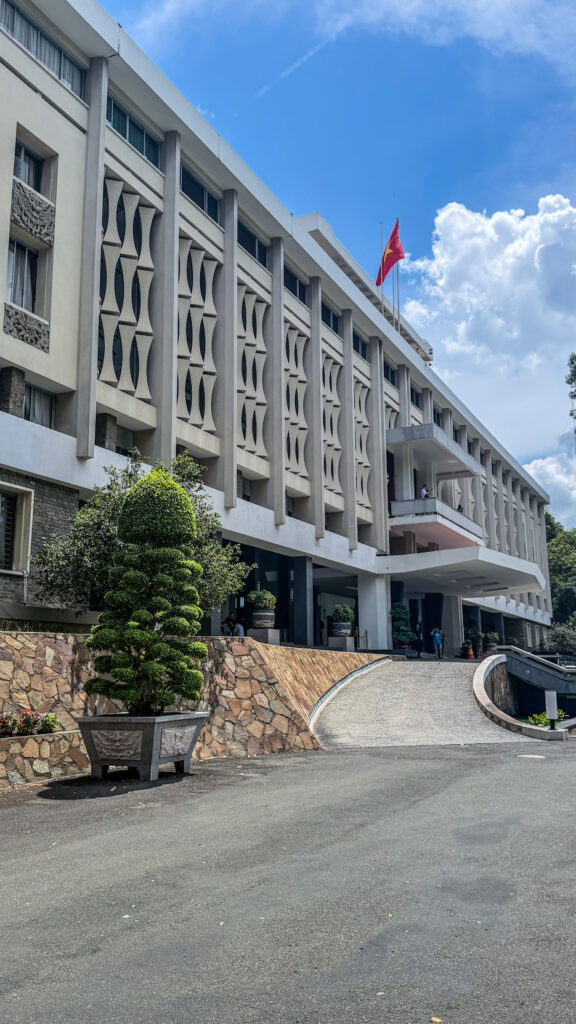
The building you walk through today is not the original. The first structure on this site was a French colonial mansion built in 1868, known as Norodom Palace after King Norodom of Cambodia, which became the residence of the Governor-General of Indochina. In 1962, it was heavily damaged by a bomb — an assassination attempt on South Vietnamese President Ngô Đình Diệm. Rather than repair it, Diệm ordered the entire palace demolished and rebuilt. The new building, designed by Vietnamese architect Ngô Viết Thụ, opened in 1966 and was named Independence Palace. Thụ’s design is quietly brilliant: it blends modernist lines with traditional Vietnamese feng shui, using columns shaped like bamboo and screens that evoke lotus blossoms. For nine years it served as the official residence and command centre of the South Vietnamese presidency — until that tank rolled through the gate.
📜 What You’ll See Inside
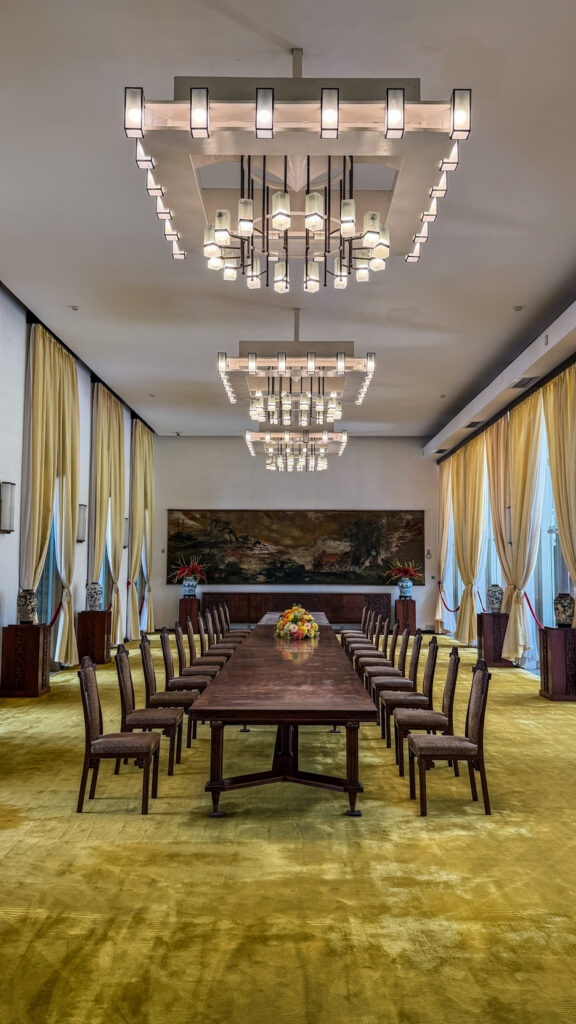
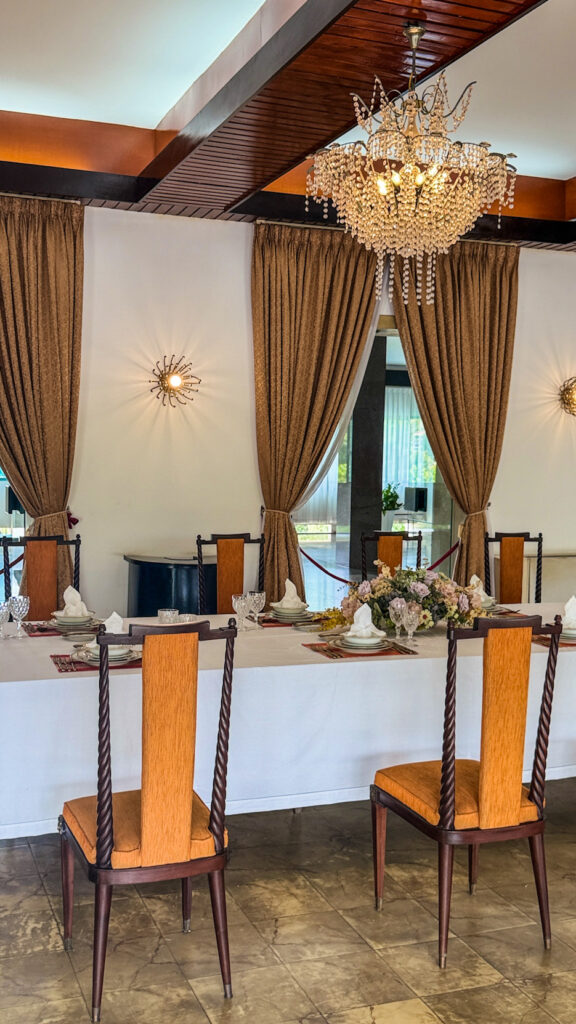
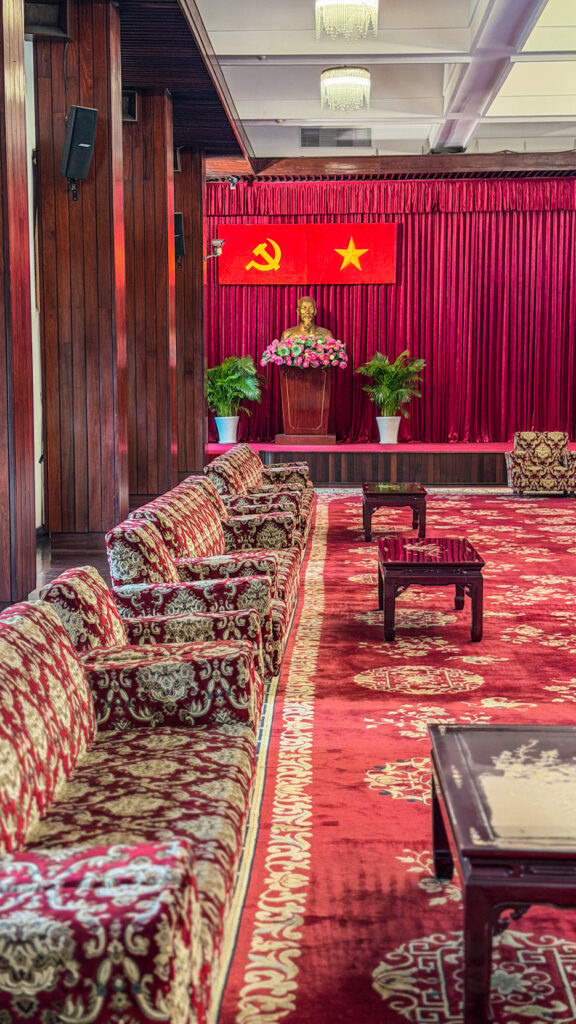
The palace has been preserved almost exactly as it was on the day Saigon fell. Every room tells part of the story. On the ground floor, the Cabinet Room, State Banqueting Hall, and Conference Hall show the public face of the regime — polished, formal, diplomatic. Climb to the second floor, and you enter the private world of the president: the Presidential Office, the Ambassador’s Chamber, the Vice President’s reception rooms, and the private family apartments. It’s here that the contrast between power and domesticity feels sharpest — bedrooms and dining rooms just steps from war rooms.
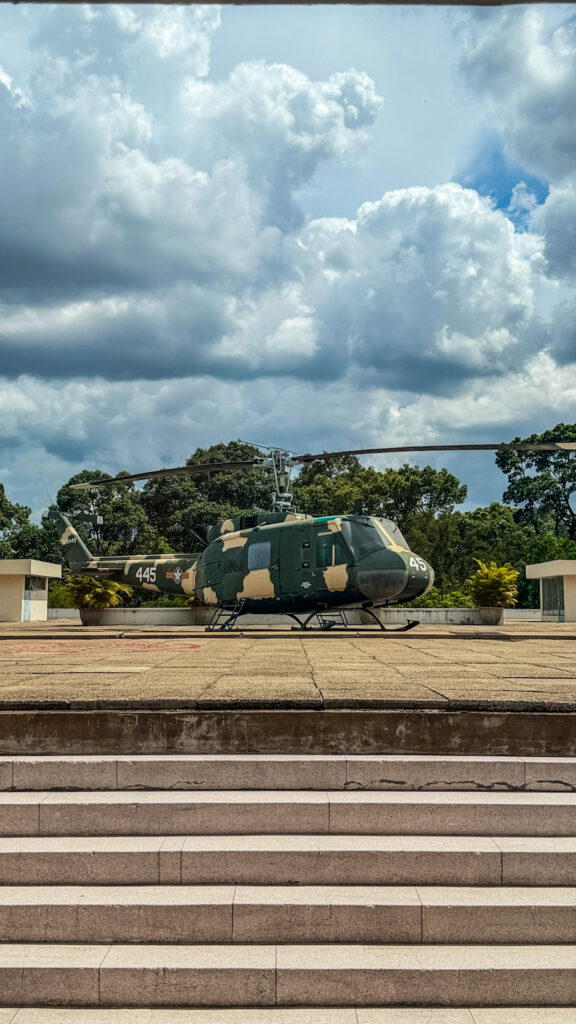
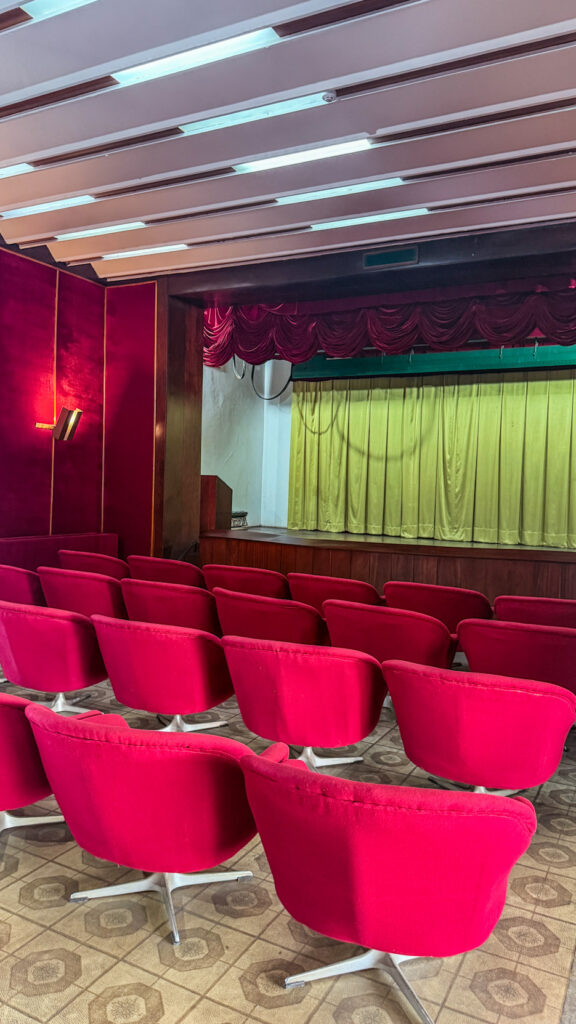
The third floor holds the library, a cinema, a games room, and the First Lady’s reception room. It’s quieter, more intimate, and gives a glimpse of how the first family lived when the cameras were off. At the very top of the building, on the fourth floor, is the Salon of the Four Cardinal Directions — a small tower offering panoramic views of the city — and, parked on the helipad outside, a UH-1 Huey helicopter, the same model used extensively during the war. Standing next to it, looking out over modern Saigon, the past feels very close. 🚁
🕳️ The Bunker That Ran the War
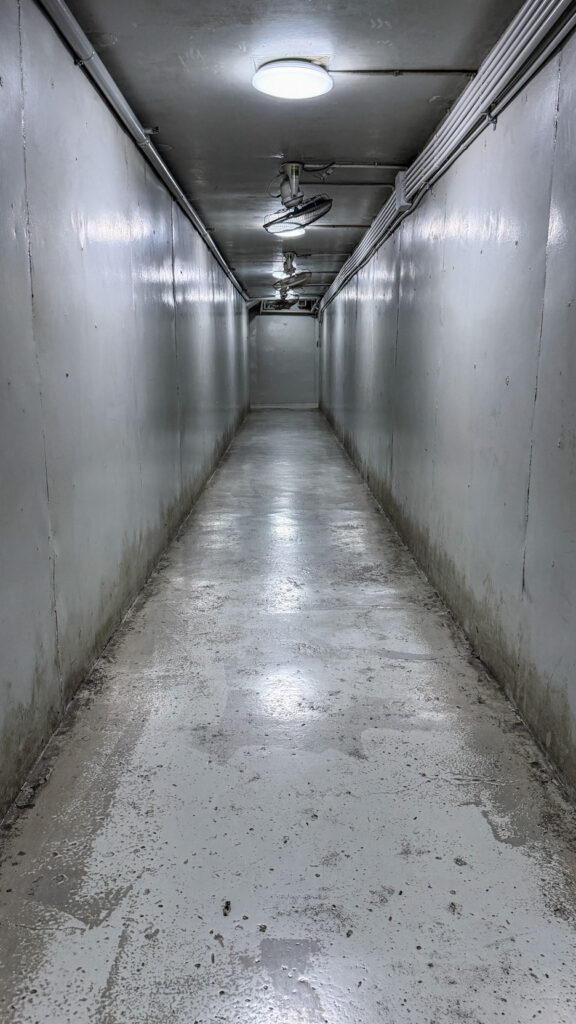
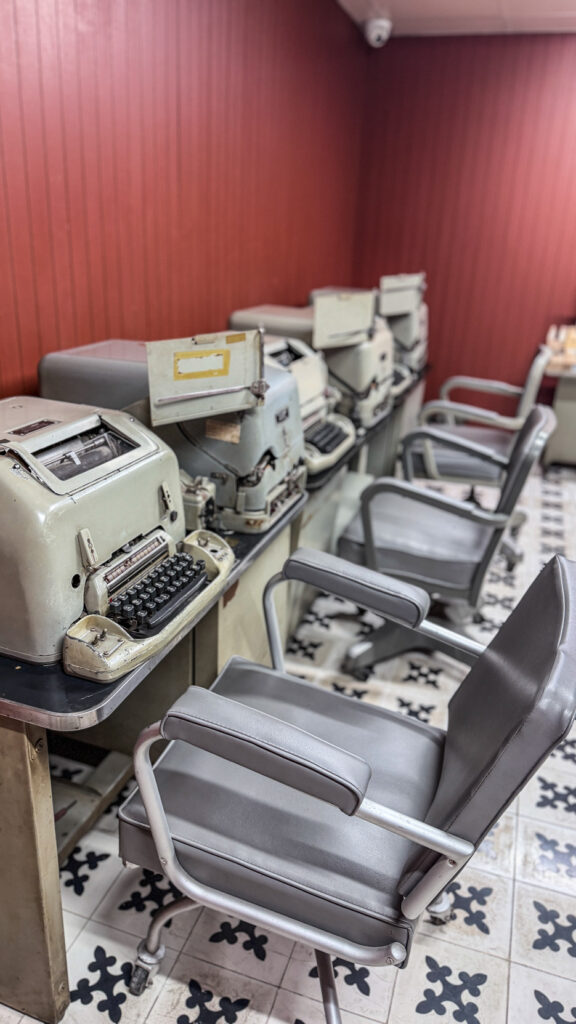
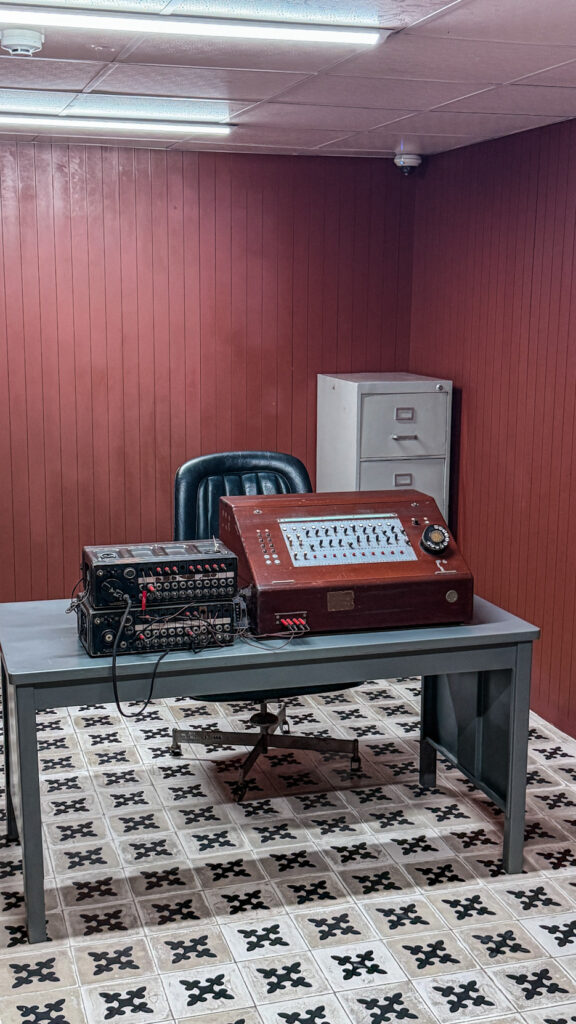
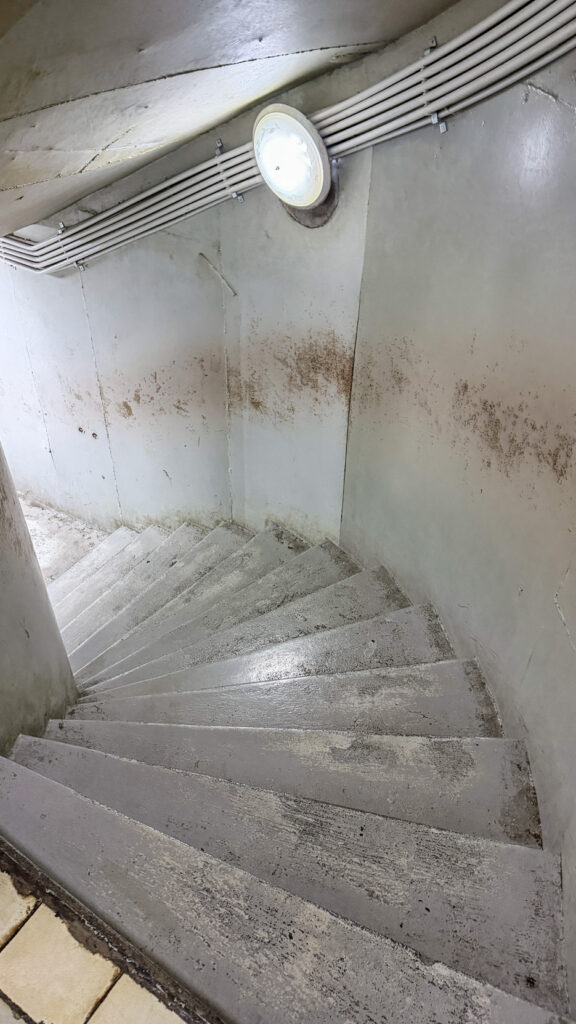
Go underground, and the palace reveals its most intense chapter. The basement bunker is a warren of narrow corridors, thick concrete walls, and cramped rooms filled with radio equipment, telegraph machines, and wall-sized strategy maps. This is where the South Vietnamese military command operated. You can walk through the Command Center, where officers tracked troop movements, the Backup Radio Room, and the President’s War Room, where final decisions were made. The atmosphere is heavy and unchanged — the ventilation hums, the fluorescent lights cast a cold glare, and you can easily imagine the tension that filled these rooms during the final days of April 1975.
🎟️ Tickets, Hours & Practical Info
📍 Address: 135 Nam Kỳ Khởi Nghĩa, Phường Bến Thành, District 1, Ho Chi Minh City
🕒 Opening hours: Daily from 7:00 AM to 6:00 PM. Ticket sales end at 4:00 PM at the Nguyễn Du gate.
🎟️ Tickets: Several options are available. The full combo — Palace + Exhibition + Electric Car Tour — costs 105,000 VND for adults and 45,000 VND for children. Palace + Exhibition is 80,000 VND. If you only want to see the palace itself, it’s 40,000 VND. Seniors over 60 and Vietnamese students receive discounted rates of 65,000 VND for the full combo and 20,000 VND for the palace alone. The electric car tour on its own is 25,000 VND per person.
⚠️ Important: Tickets are non-refundable and valid for a single entry. There are two entrance gates: the main gate at 135 Nam Kỳ Khởi Nghĩa (open 7:00 AM – 6:00 PM) and the Nguyễn Du gate (open 8:00 AM – 4:00 PM). A souvenir shop is located on the ground floor, and a documentary film screening room shows historical footage.
If you’re staying in District 1, the palace is an easy walk from most central hotels. My Top 10 Best Hotels in Ho Chi Minh City guide can help you find a base near Ben Thanh Ward, with the highest-rated stays across all budgets — staying within walking distance of the palace, the market, and the main museums makes a day of sightseeing effortless.
🔗 What to Pair It With
The palace sits at the heart of Saigon’s historical district. Directly opposite is the Saigon Central Post Office — another iconic building, designed by Gustave Eiffel, that pairs beautifully with a morning at the palace. For a completely different kind of history — ancient stone instruments and Cham carvings — my upcoming guide to the Vietnam History Museum will take you back 3,000 years. And if you’re building a full day of sightseeing, the War Remnants Museum (a short walk away) continues the story where the palace leaves off.
💎 Verdict: The Room Where History Turned
Independence Palace is not just another stop on a city tour. It’s the room where a war ended, a country changed, and the Saigon you see today was born. Walk through its halls, climb to the rooftop, and descend into the bunker — you’ll leave with a deeper understanding of this city than any guidebook can give you. 🏛️
Frequently Asked Questions
How much does it cost to visit Independence Palace?
The full combo (Palace + Exhibition + Electric Car Tour) costs 105,000 VND for adults and 45,000 VND for children. Palace + Exhibition is 80,000 VND, and the palace alone is 40,000 VND. Seniors over 60 and Vietnamese students get discounted rates.
What are the opening hours for Independence Palace?
It’s open daily from 7:00 AM to 6:00 PM, though ticket sales end at 4:00 PM at the Nguyễn Du gate. There are two entrances: the main gate at 135 Nam Kỳ Khởi Nghĩa (7:00 AM-6:00 PM) and the Nguyễn Du gate (8:00 AM-4:00 PM).
Why is Independence Palace historically significant?
On April 30, 1975, a North Vietnamese tank crashed through the palace’s front gate and a soldier raised the Viet Cong flag on the roof — the moment that ended the Vietnam War. The palace has been preserved almost exactly as it was that day.
What can I see inside Independence Palace?
The ground floor has the Cabinet Room, State Banqueting Hall, and Conference Hall. The second floor holds the Presidential Office and private family apartments, and the third floor has the library, cinema, and games room. The fourth floor offers panoramic city views and a UH-1 Huey helicopter on the helipad, and the basement bunker contains the wartime Command Center and President’s War Room.
Is Independence Palace within walking distance of District 1 hotels?
Yes — the palace is an easy walk from most central District 1 hotels, and it sits near other sights like the Saigon Central Post Office and the War Remnants Museum, making it easy to combine into one day of sightseeing.
Disclosure: This article contains affiliate links. If you book through them, I may earn a small commission at no extra cost to you. I only recommend places I have personally visited and trust.
More from our travel guide network
Build your Vietnam route — free.