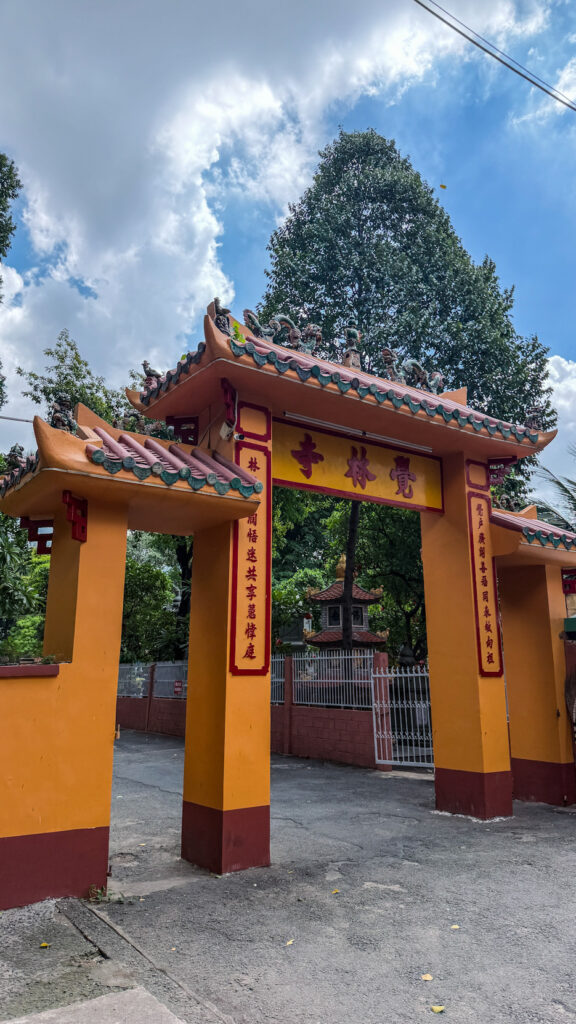
Most visitors to Ho Chi Minh City chase the same skyline: Landmark 81, Bitexco Tower, the glittering rooftop bars of District 1. But a short Grab ride west of the centre, behind a modest gate on a quiet street, stands a pagoda that was already old when the French arrived. Giac Lam Buddhist Temple — Chùa Giác Lâm — was founded in 1744, making it the oldest continuously operating pagoda in Saigon. It’s not on the typical tourist trail, and that’s exactly why I went. If you’re already checking flights to Ho Chi Minh City and want to see a side of the city that predates the war, the motorbikes, and the colonial facades, this is where you start. 🛕
🕰️ Three Centuries of Prayer
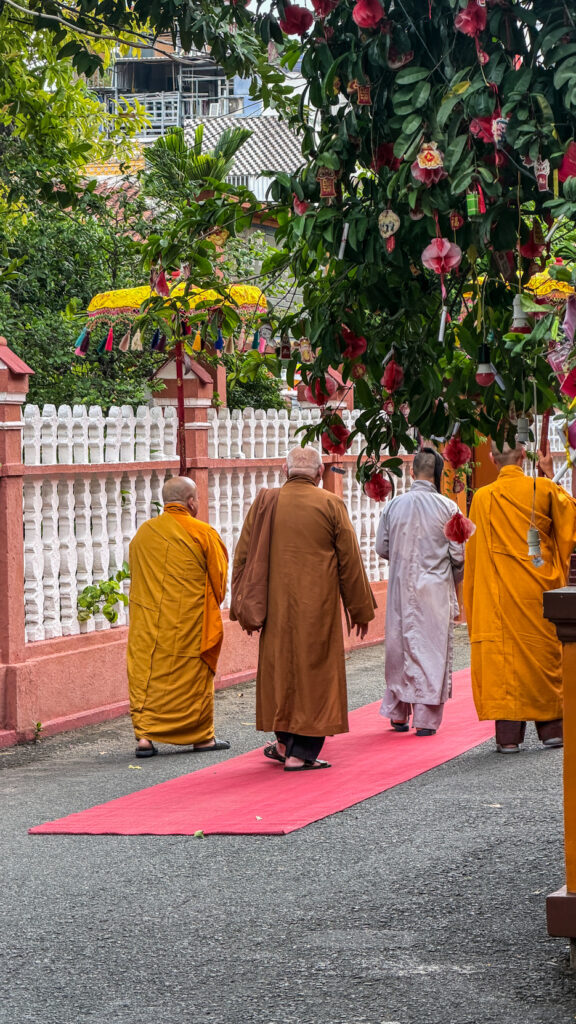
Giac Lam was built during the reign of Lord Nguyễn Phúc Khoát, at a time when Saigon was still a scattering of villages surrounded by marshland and jungle. The original structure was a simple meditation hall for a small community of monks. Over the centuries, it expanded — new halls were added, statues were commissioned, and the grounds grew into the sprawling, tree‑shaded sanctuary you see today. The pagoda has survived wars, regime changes, and the relentless urbanisation of modern Saigon, yet it remains an active place of worship. On any given morning, you’ll find monks chanting in the main hall, incense spiralling into the rafters, and local families kneeling before the altars. This isn’t a museum — it’s a living, breathing temple that has been in continuous use for nearly 280 years. 🔔
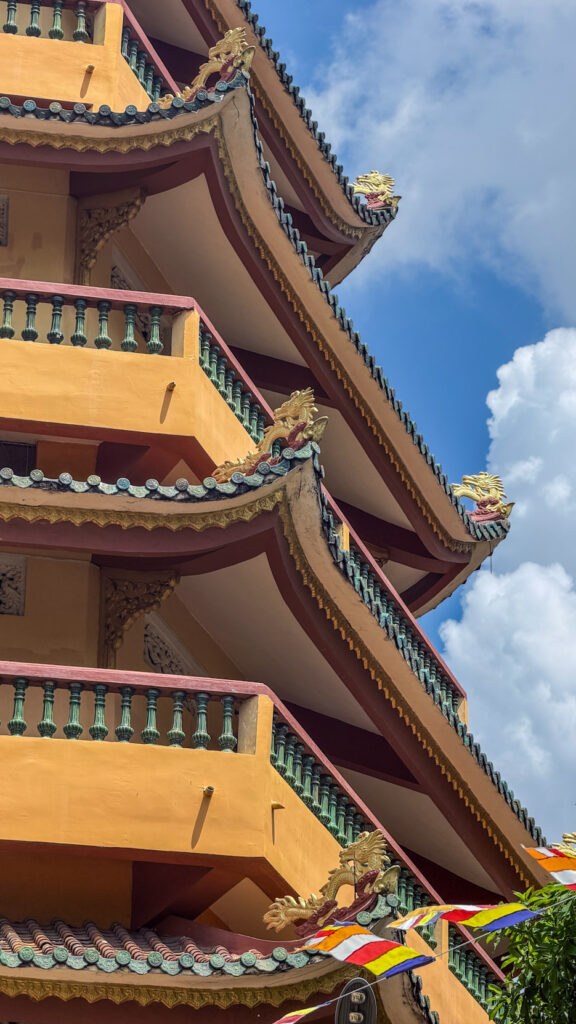
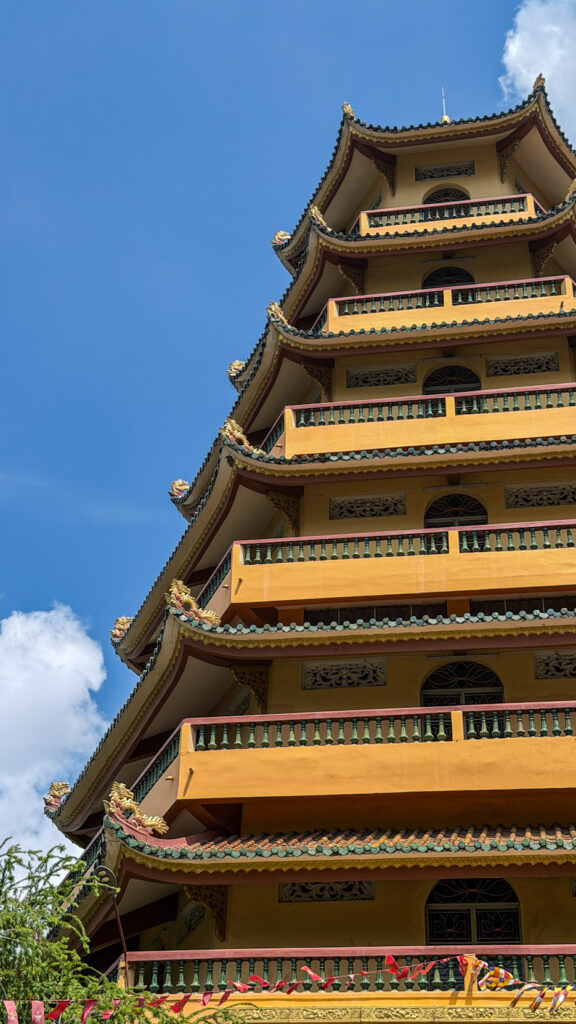
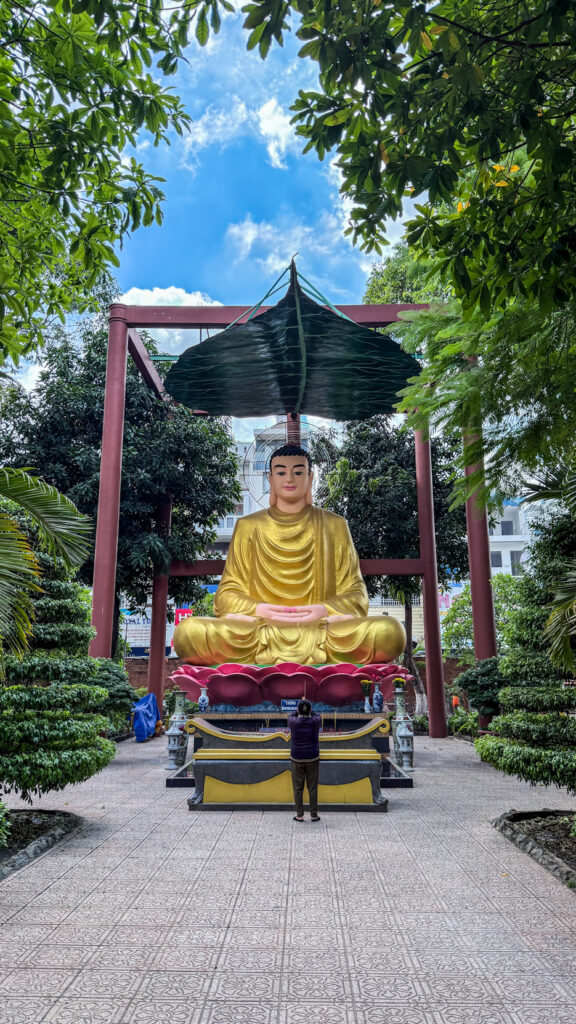
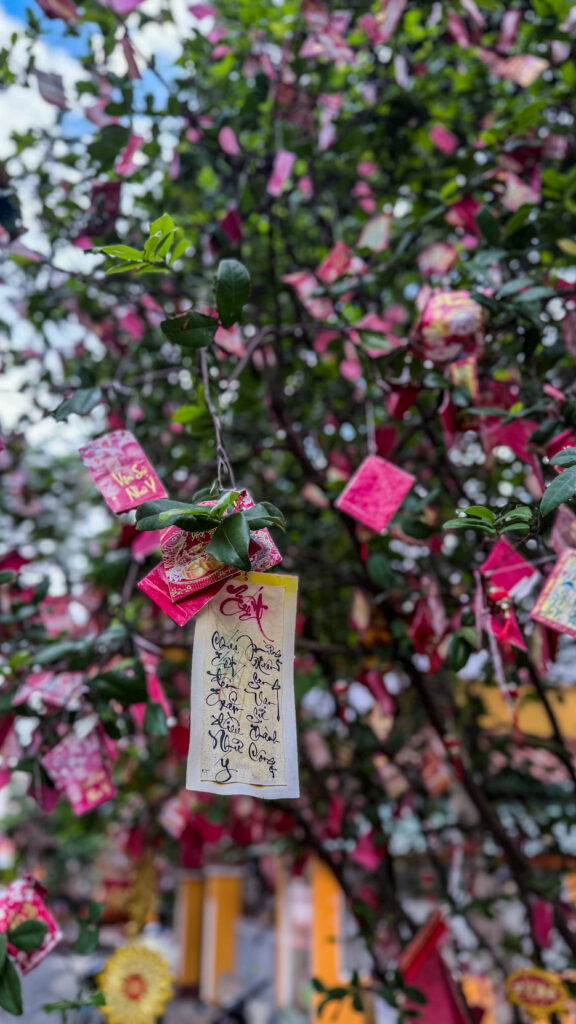
🏛️ The Architecture and the Buddha Grove
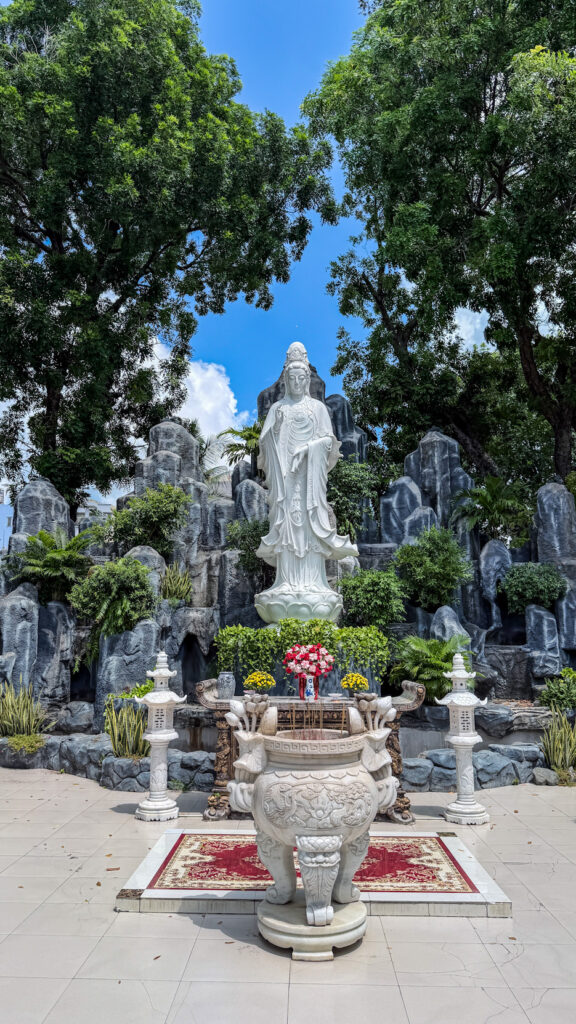
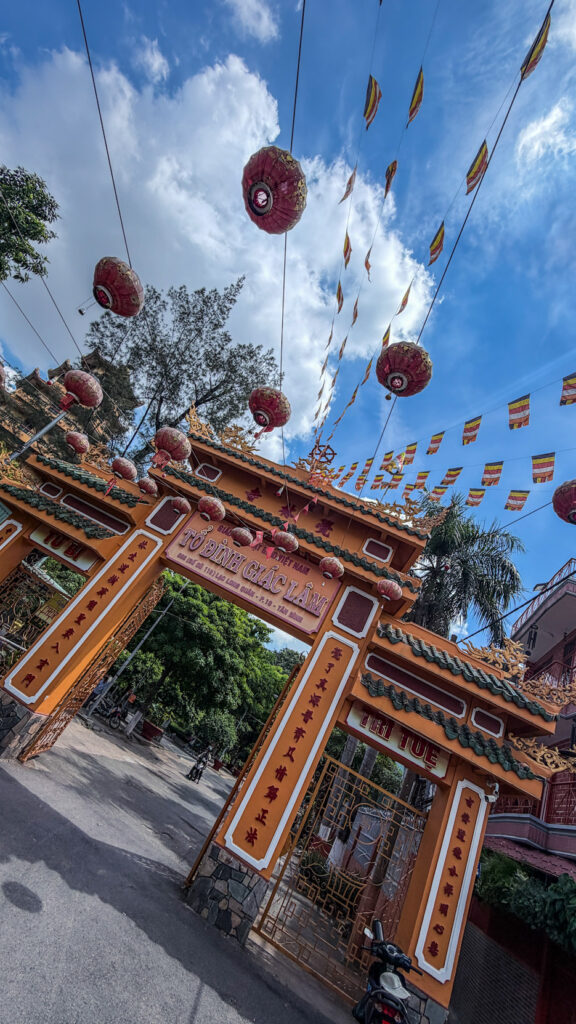
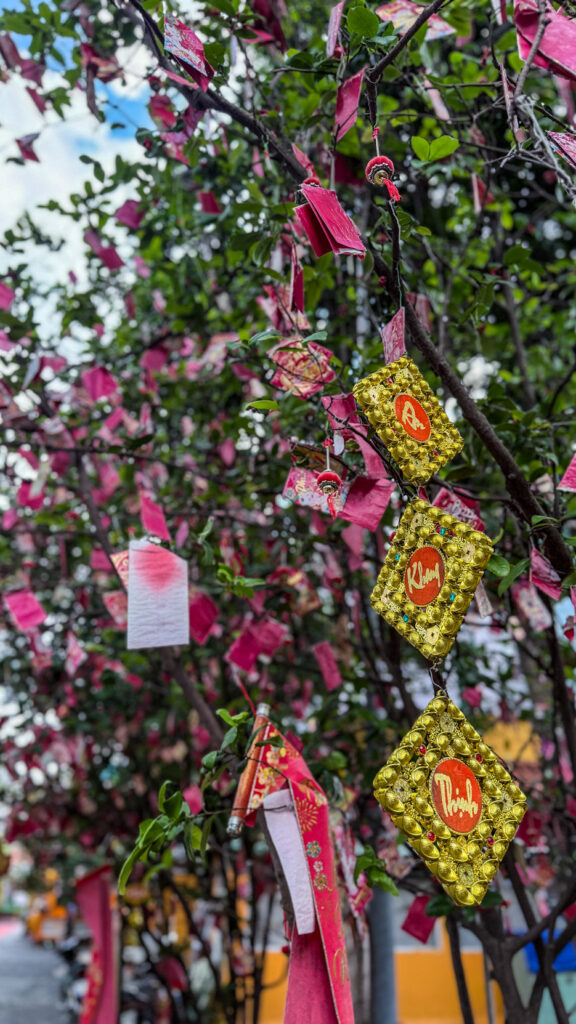
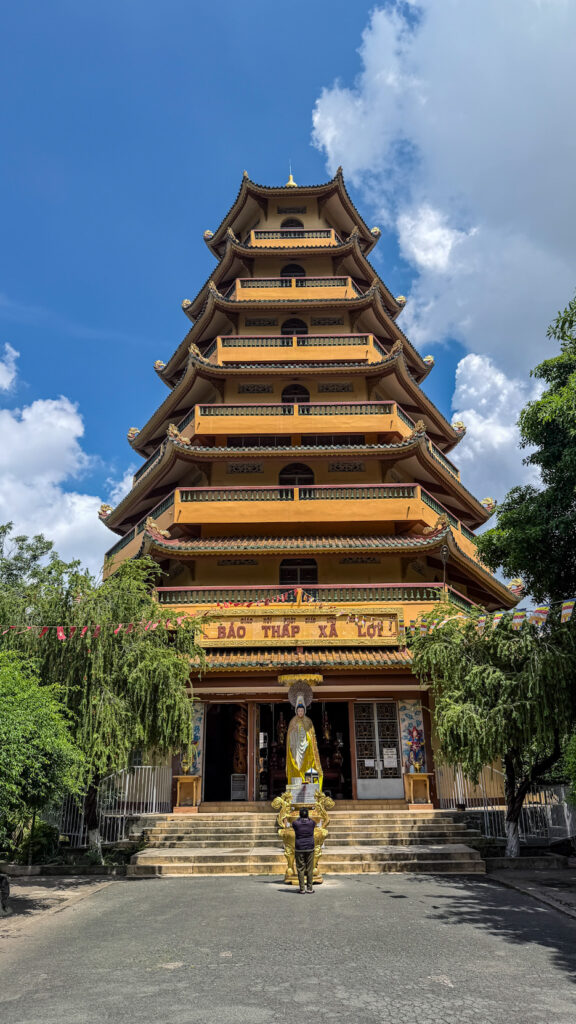
The pagoda complex is a mix of Vietnamese and Chinese architectural styles, with curved tiled roofs, ornate dragon motifs, and rows of lanterns that sway gently in the breeze. The main hall is dominated by a large statue of Amitabha Buddha, flanked by smaller figures of bodhisattvas and arhats. The walls are lined with intricate wood carvings and calligraphy panels, some of which are centuries old.
Outside, the real surprise waits. In the courtyard and garden behind the main hall stands a forest of stupas — tall, white, layered funeral monuments that belong to departed abbots and senior monks. There’s also a remarkable collection of Buddha statues in various poses: seated, standing, reclining, teaching, meditating. Each one is subtly different. The most striking is a towering, golden Amitabha rising above the treetops, visible from the moment you step through the entrance gate. Walk the perimeter slowly — the combination of white stupas, ancient trees, and golden Buddha figures creates an atmosphere that feels far removed from the Saigon outside. 🌳
🙏 The Quietest Morning in District 11
Giac Lam sits in District 11, a predominantly residential area that sees few tourists. The streets leading to the pagoda are narrow and lined with local shops, food stalls, and the kind of unhurried daily life that’s increasingly rare in central Saigon. The temple compound is large enough to absorb sound — once you step inside, the honking of scooters fades to a distant murmur. There are benches in the garden, shaded by mature trees, where you can sit for as long as you like. Nobody will ask for a ticket, nobody will rush you. It’s one of the most genuinely peaceful places I’ve found in the city, and it costs nothing to enter. Donations are welcome, and a small box near the main altar accepts contributions for the upkeep of the temple. 🧘
📍 Practical Info
📍 Address: 565 Lạc Long Quân, Phường 10, Tân Bình, Ho Chi Minh City (though historically it’s associated with District 11)
🕒 Open: Daily, from early morning until evening. Mornings are coolest and quietest.
🎟️ Entrance: Free. A small donation at the main altar is appreciated.
👗 Dress code: Shoulders and knees covered. This is an active temple — treat it with the same respect you’d show a cathedral.
🚕 Getting there: About 15–20 minutes by Grab from District 1. Drivers will recognise the name “Chùa Giác Lâm” or the address on Lạc Long Quân.
The pagoda is located in a quieter part of the city. If you’re looking for a comfortable base nearby, you can find a hotel in Ho Chi Minh City — staying in District 1 or the western districts puts you within easy reach of Giac Lam and several other historic temples. For the highest-rated stays across the city, my Top 10 Best Hotels in Ho Chi Minh City guide has the full lineup.
🔗 What to Pair It With
If you’re building a morning of temple‑hopping, Giac Lam pairs beautifully with another nearby pagoda — Chùa Vạn Phật, the Temple of Ten Thousand Buddhas, which I’ll cover in a separate guide. For a completely different kind of Saigon landmark, the Independence Palace is a short Grab ride east and tells the story of how the Vietnam War ended. And if you’re collecting spiritual corners, my upcoming Saigon pagodas guide will group Giac Lam, Vạn Phật, Việt Nam Quốc Tự, and two more hidden temples into one essential list. 🌿
💎 Verdict: 300 Years of Silence in the Middle of Saigon
Giac Lam Buddhist Temple doesn’t need your attention. It has stood for three centuries without it. But if you give it an hour of your morning — walk the garden of stupas, sit under a tree, watch the incense rise — you’ll find a Saigon that existed long before the skyscrapers, and one that will be here long after they’re gone. 🛕
Frequently Asked Questions
When was Giac Lam Pagoda founded?
In 1744, during the reign of Lord Nguyễn Phúc Khoát, making it the oldest continuously operating pagoda in Saigon.
Where is it located?
In District 11, a predominantly residential area that sees few tourists.
What’s in the garden behind the main hall?
A forest of white stupas — funeral monuments belonging to departed abbots and senior monks.
What’s the main statue inside?
A large statue of Amitabha Buddha, flanked by smaller bodhisattvas and arhats.
Is there an entrance fee?
No, nobody asks for a ticket and nobody rushes you.
Disclosure: This article contains affiliate links. If you book through them, I may earn a small commission at no extra cost to you. I only recommend places I have personally visited and trust.
More from our travel guide network
Build your Vietnam route — free.