Quick answer: pack light, breathable clothes. Vietnam is hot and humid year-round in the south, but the north can get surprisingly cold in winter.
For most trips, a 40–50 liter backpack or carry-on suitcase is all you need. This Vietnam packing list highlights essentials for light travel.
Must-haves are quick-dry clothes, a lightweight rain jacket, insect repellent (DEET 30%+), and a universal travel adapter. Also pack clothes that cover shoulders and knees for temples.
Pro tip: pack for 7 days. Use Vietnam’s cheap laundry services — it saves space for souvenirs.
Packing right makes all the difference. This guide covers everything you need to bring — and what you can safely leave at home.
🧳 The Golden Rule: Pack Light
Vietnam will humble your overpacking tendencies fast. Between the heat, humidity, spontaneous shopping, and carrying your bag up narrow stairs, less is definitely more. A 40–50 liter backpack handles a multi-week trip comfortably — anything larger becomes unnecessary bulk. Carry-on luggage works for most trips of one to two weeks.
Why pack light:
- Laundry is cheap and everywhere — most guesthouses offer it, and independent laundry shops are easy to find in any town. Pack for 7 days, wash twice.
- Vietnam is a shopper’s dream — custom tailoring in Hoi An, silk scarves, linen dresses, and handmade crafts. Leave space to bring things home.
- Quick-dry fabrics make laundry simple and keep you comfortable in humidity.
👕 Clothing — What to Pack
Vietnam covers three climate zones. What works in Ho Chi Minh City (85°F and sunny) won’t work in Hanoi in January (50°F and gray). Pack for your specific itinerary, not an average.
For the South (Ho Chi Minh City, Mekong Delta, Phu Quoc): Year-round summer.
- Lightweight dresses, shorts, tanks, and jumpsuits
- Moisture-wicking fabrics like bamboo, cotton, or linen
- 3–5 lightweight breathable tops
- 2 loose trousers + 1 pair of light shorts
- 1 maxi dress or long skirt (temple-friendly + dinner-ready)
- 2 swimsuits — you’ll use them more than you think
For the Central Coast (Da Nang, Hoi An, Hue, Nha Trang): Hot most of the year, with intense rain in the fall.
- Breathable cotton or linen for daytime
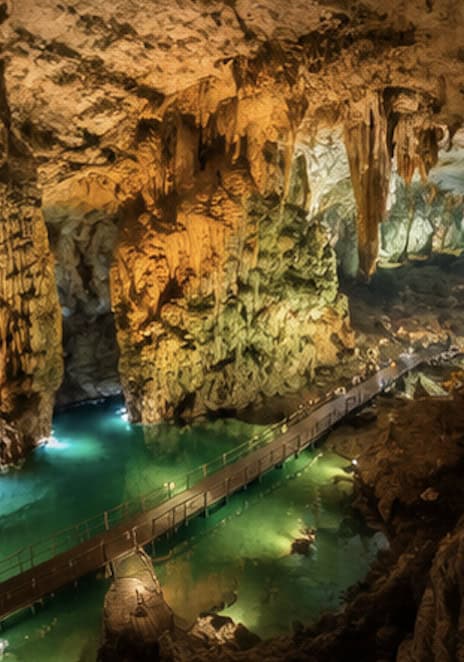
- Light long-sleeves for cooler mornings and cave visits
- Waterproof jacket and sandals during rainy months
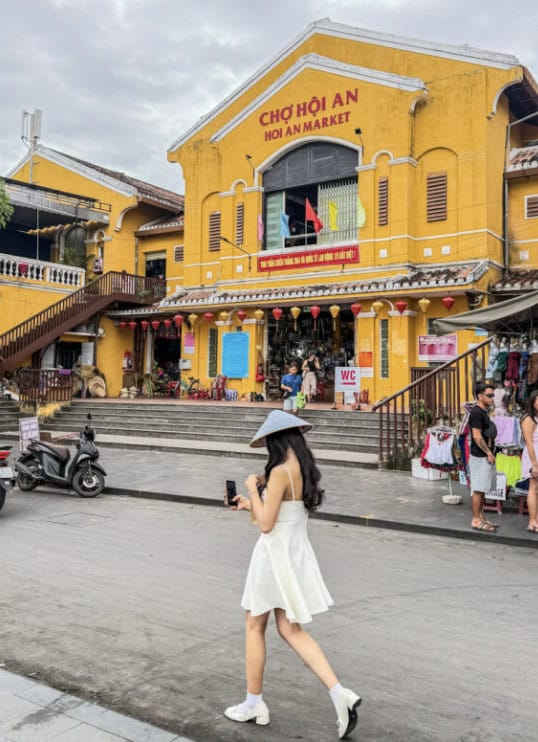
- Hoi An and Hue are cultural hubs — modest clothing works best when sightseeing
For the North (Hanoi, Ha Long Bay, Sapa, Ha Giang): Four distinct seasons — winter can be genuinely cold.
- Light layers for daytime, sweaters for evenings
- Winter (Dec–Feb): Proper coat, warm socks, thermals, gloves, hat, scarf — temperatures can dip below 10°C at night
- If trekking or doing the Ha Giang Loop: long pants and sturdy shoes are essential
For everyone:
- Temple modesty layer: Light scarf or shawl that covers shoulders and knees. Essential for pagodas and temples
- Light rain jacket or poncho: Rain is unpredictable, especially in coastal cities
- Cotton or linen tops — loose, breathable, light-colored
👟 Footwear — Comfort Over Cute
You’ll be walking a lot — markets, alleyways, temples, food stalls, bars. Comfortable, broken-in shoes are non-negotiable.
- Comfortable walking shoes: Already broken in. You’ll wear these most days
- Walking sandals: With arch support — handle wet streets and quick water crossings
- Flip-flops or slides: For beaches, hostels, and quick outings
- Closed shoes: One pair for temple visits and cooler northern regions
Leave the heels at home. You won’t need them.
🧴 Toiletries & Health Essentials
You can buy most toiletries locally, but a few essentials are worth packing:
- Sunscreen (high SPF): UV exposure is intense year-round, even on overcast days
- Insect repellent (DEET 30%+): Essential — especially in the Mekong Delta, where dengue and malaria are risks
- Basic medications: Pain relief (paracetamol, ibuprofen), anti-diarrheal (Imodium), oral rehydration salts
- Hand sanitizer and wet wipes: Many public restrooms lack soap and toilet paper
- Prescription medications: In original pharmacy packaging
- Reusable water bottle: Tap water is unsafe — buy bottled or use a filter
🔌 Tech & Connectivity
Vietnam uses 220V at 50Hz with Type A, C, and D sockets. Most hotels have hybrid outlets that fit US plugs directly, but a universal adapter handles older buildings.
- Universal travel adapter: Essential — Vietnam uses Type A and Type C outlets
- Portable charger (power bank): You’ll use it constantly for Grab rides, Google Maps, and long journeys
- Phone + charger: Your phone is your map, camera, and booking tool
- Headphones or earbuds: For long bus, train, or flight journeys
- eSIM or SIM card: Buy a Viettel SIM at the airport or an eSIM through Airalo before you go
Pro tip: Download Grab and offline Google Maps before you arrive — you’ll need them immediately.
📋 Documents & Money
Don’t leave home without these:
- Passport: Valid for at least 6 months beyond your intended entry date
- Vietnam e-visa: Print two copies. Required for most nationalities
- Travel insurance: Essential — medical expenses in Vietnam usually need to be paid upfront
- Credit/debit cards: For hotels, tours, and emergencies
- Cash (Vietnamese Dong — VND): Essential for daily spending — street food, taxis, markets
- USD backup: Small bills ($1, $5, $10) as emergency cash
- Printed copies: Passport, visa, insurance, flight tickets — keep a set separate from originals
📌 What NOT to Pack
These are common overpacking mistakes:
- Heavy jackets — unless you’re going to Sapa or Ha Giang in winter
- Too many shoes — one pair of walking shoes + one pair of sandals + flip-flops is enough
- Formal wear — Vietnam is casual. Leave the suit and heels at home
- Toiletries you can buy there — sunscreen, shampoo, and toothpaste are cheap and widely available
- Expensive jewelry — attracts attention and gets lost easily
- Books — bring an e-reader instead. They’re heavy and take up space
❓ Frequently Asked Questions
Do I need to pack warm clothes?
Yes — if you’re visiting northern Vietnam (Hanoi, Sapa, Ha Giang) between November and March. Temperatures can drop below 10°C at night. A light layer or fleece is enough for Hanoi; Sapa requires proper winter gear.
Do I need a rain jacket?
Yes — year-round. Rain is unpredictable, especially in coastal cities and during the rainy season (May–November). A compact, lightweight rain jacket or poncho is essential.
What should I wear for temples?
Cover shoulders and knees. A light scarf or shawl in your day bag covers both. Avoid shorts and sleeveless tops at religious sites.
Can I buy clothes in Vietnam?
Yes — and you should. Custom tailoring in Hoi An is famous, and linen clothes are cheap and high quality. Pack light and buy what you need there.
Do I need a power adapter?
Yes — Vietnam uses Type A and Type C outlets with 220V. A universal adapter is the safest bet.
How much cash should I bring?
Bring $100–$200 USD in small bills for emergencies. Withdraw VND from ATMs as you go — they’re everywhere in cities.
Is tap water safe?
No. Drink bottled or filtered water. Use bottled water for brushing teeth too.
💎 Final Verdict
Vietnam is hot, humid, and full of surprises.
Thus, a Vietnam packing list helps you choose versatile layers for malls and streets.
Pack light, buy what you need, and leave room for souvenirs.
Once your bags are packed, my Vietnam Weather by Month guide can help you double-check what the climate will actually be like for your dates, and my Vietnam Customs guide covers what you can and can’t bring through the airport.
🏨 Where to Stay & What to Pair It With
Once you’ve packed, it’s time to book your accommodation. You’ll find everything from budget guesthouses to luxury resorts across Vietnam. I’ve put together guides to the best hotels on Phu Quoc, best hotels in Da Nang, and best hotels in Nha Trang if you’re still deciding where to base yourself.
If Phu Quoc, or any other stop, is part of your route, the Advanced Trip Planner can help you map out the full trip and budget.
Planning a wider Southeast Asia trip?
Cambodia With Me — practical Cambodia travel guides
Siam With Me — Thailand travel guides
Indonesia With Me — Indonesia travel guides
Singapore With Me — Singapore travel guides
Build your Vietnam route — free.