Quick answer: In Vietnam transport terms, the best option depends on your route and budget. For long distances, flights are fastest (1–2 hours); trains are scenic and comfortable, though slow; sleeper buses are cheap but cramped. Choose based on priorities and distance.
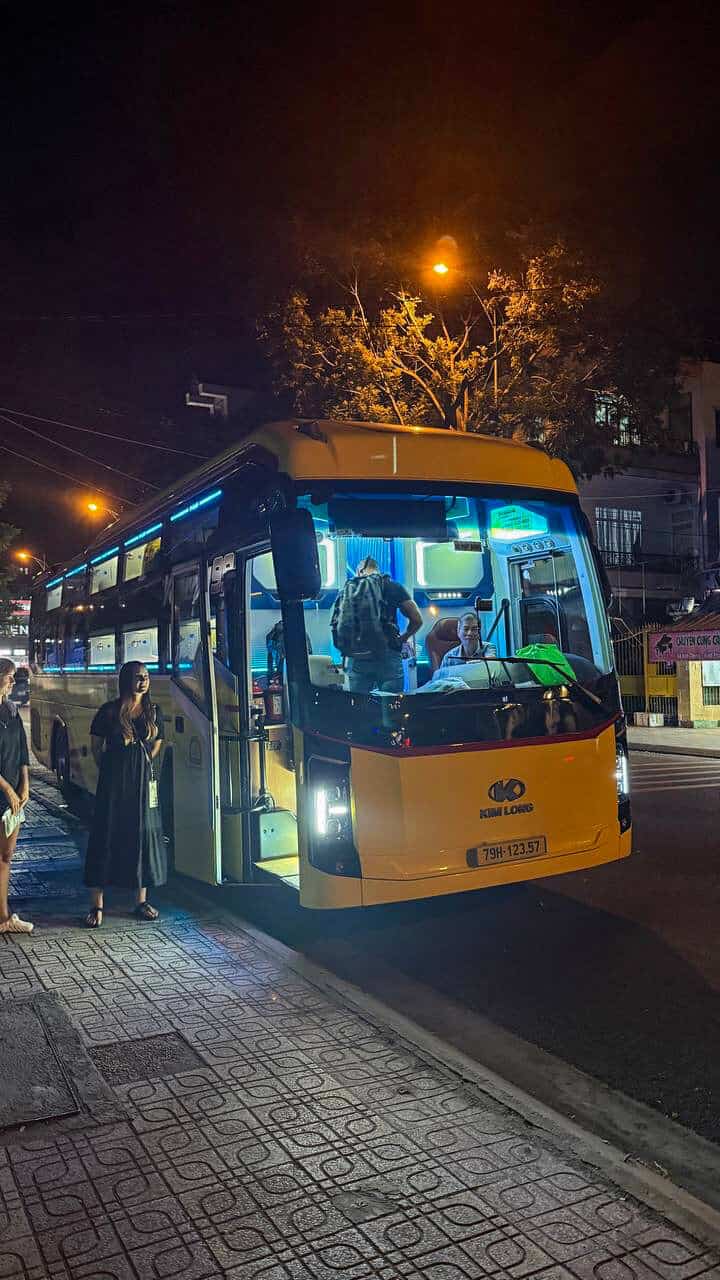
In cities, Grab is the easiest option, cheaper than taxis and without haggling. For maximum flexibility, motorbikes work well for short distances. This applies only if you’re an experienced rider. Use this strategy: fly between regions and take trains for overnight journeys. Use Grab in cities and rent motorbikes for day trips.
This guide breaks down every transport option — flights, trains, buses, motorbikes, and rideshares — so you know exactly how to get around without wasting time or money.
✈️ Flights — The Fastest Option
Vietnam has three international airports and a well-connected domestic network. Vietnam Airlines, VietJet, and Bamboo Airways operate frequent flights between major cities.
Key routes and flight times:
- Hanoi → Da Nang: ~1 hour 15 minutes
- Hanoi → Ho Chi Minh City: ~2 hours
- Da Nang → Ho Chi Minh City: ~1 hour 30 minutes
- Hanoi → Phu Quoc: ~2 hours 15 minutes (direct seasonal flights)
How much do flights cost? A one-way ticket on VietJet (low-cost) costs around $50–$80 USD for most routes. Full-service airlines (Vietnam Airlines) cost $80–$150 USD.
Pro tip: Book flights 2–3 weeks in advance for the best prices. Same-week fares can double. Check VietJet’s baggage policy — their cheap fares usually don’t include checked luggage.
Airport transfers: From Hanoi (Noi Bai) to the Old Quarter, a taxi or Grab costs around $14–$18 USD. From Saigon (Tan Son Nhat) to District 1, it’s $8–$12 USD.
Book domestic flights through Trip.com to compare airlines and find the best deals.
🚂 Trains — Scenic and Comfortable (But Slow)
Vietnam’s railway runs along the coast, connecting Hanoi, Hue, Da Nang, Nha Trang, and Ho Chi Minh City. The most famous route is the Reunification Express (Hanoi–Saigon).
Train classes:
- Hard seat: Cheap ($10–$15) but uncomfortable — avoid for journeys over 2 hours.
- Soft seat: Comfortable for daytime trips ($15–$25).
- Soft sleeper (4-berth): The best overnight option. $30–$50 for a berth.
- Hard sleeper (6-berth): Cheaper ($20–$30) but less privacy.
Travel times:
- Hanoi → Hue: ~12–14 hours (overnight)
- Hanoi → Da Nang: ~14–16 hours
- Hue → Da Nang: ~3 hours
- Hanoi → Ho Chi Minh City: ~30+ hours
Pro tip: For the most scenic stretch, take the Hue–Da Nang leg — it runs along the coast with views of the Hai Van Pass.
Downside: Trains are slow and often run late. If you’re on a tight schedule, fly instead.
Book train tickets through Baolau or the official Vietnam Railways website. Book a month in advance for sleepers on popular routes.
🚌 Buses — The Budget Option
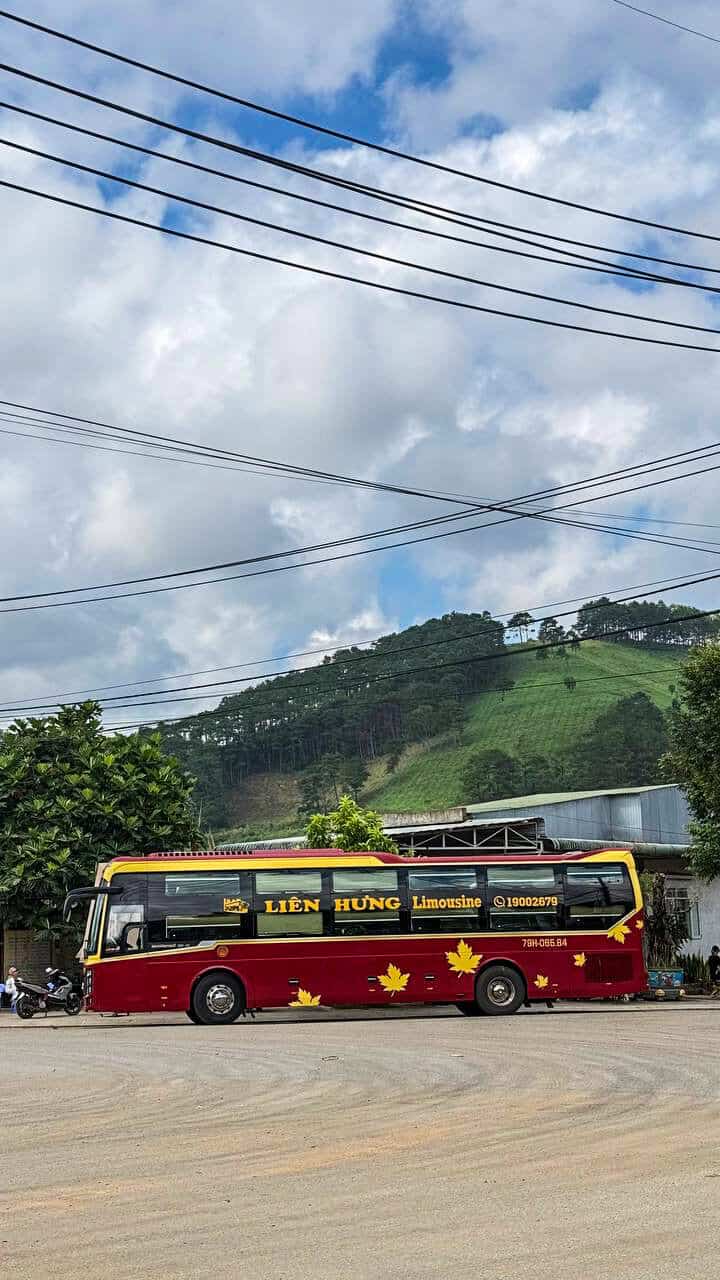
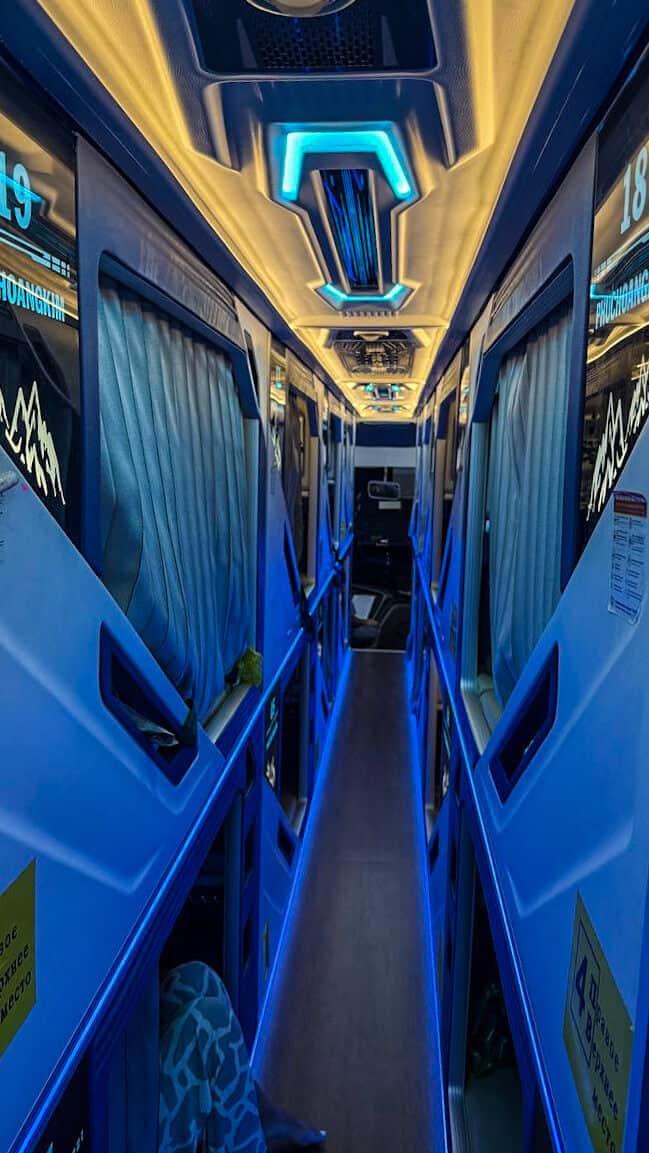
Vietnam has two types of long-distance buses: sleeper buses and minibuses. Sleeper buses are the most common for overnight trips.
Sleeper buses (intercity):
- Reclining seats (up to 45°).
- Cheap: $10–$20 for a 5–8 hour trip.
- Routes: Hanoi → Sapa (~6 hrs), Hanoi → Ha Long (~3 hrs), Da Nang → Hoi An (~1 hr), Nha Trang → Da Lat (~4 hrs).
Pro tip: Book sleeper bus tickets online through 12go.Asia or Baolau. Choose a lower berth if you want easier access — upper berths are more cramped.
Minibuses (local): Shorter routes, cheaper, but cramped. They stop frequently and are less comfortable. Used mainly by locals.
Downside: Sleeper buses are cramped, and the driving can be erratic. Motion sickness is common — bring medication if you’re prone to it.
🛵 Motorbikes — For the Adventurous
Only rent a motorbike if you’re an experienced rider. Vietnam’s traffic is chaotic, and the first 24 hours of riding in Vietnam is the most dangerous.
Rental rates: A basic scooter costs $5–$10 USD/day. A semi-automatic or manual bike costs $10–$15 USD/day. Fuel is extra (~$5 per tank).
What you need:
- A valid driving license with a motorcycle endorsement — plus an International Driving Permit (IDP).
- If you’re stopped by police, without both, you may be fined or have your bike impounded. Many tourists ride without these, but the fines have increased and enforcement is stricter in tourist areas.
- Book through reputable rental shops — many small shops will keep your passport as deposit, which isn’t recommended. Use a shop recommended by your hotel.
Popular routes for motorbikes: Ha Giang Loop (3–5 days), Hai Van Pass (Da Nang–Hue), Nha Trang–Da Lat (mountain roads).
Where to book: Use Trip.com to book motorbike rentals with reputable operators.
📱 Grab — The Easiest Way to Get Around Cities
Grab is the most convenient option in cities. It’s cheaper than taxis, and you don’t need to haggle.
How it works: Download the app, set your pickup and destination, and book a ride. You can pay with cash or a linked card. Prices are fixed upfront.
Ride options:
- GrabBike: Motorbike taxi — cheapest, fastest in traffic (~$1–$2).
- GrabCar: Standard car — comfortable, more expensive (~$2–$5 per short trip).
- GrabTaxi: Licensed taxis booked through the app — similar prices to GrabCar.
Pro tip: In peak hours, GrabBike is much faster than car. Always check both options.
🚕 Taxis — Only Use Reputable Companies
If you don’t have Grab, use Mai Linh (green cabs) or Vinasun (white cabs with red logo). These are reliable and use metered fares.
Typical taxi fares: Starting fare is around $0.50–$1 USD (10,000–15,000 VND). Per kilometer, it’s about $0.50–$0.70 USD.
What to avoid: Unlicensed taxis (especially at airports) or taxis that refuse to use the meter. Always ask: “Đồng hồ?” (meter?).
🛳️ Ferries to Islands
Phu Quoc, Hon Thom, and other islands are accessed by speedboat or ferry.
Hon Thom Island: The only way to reach Hon Thom Island is via the Hon Thom Cable Car — it’s the world’s longest sea-crossing cable car. There are no ferries to the island.
Phu Quoc: Ferries run from Rach Gia or Ha Tien to Phu Quoc Island. The journey takes 2–4 hours and costs around $15–$25 USD. For faster travel, fly directly to Phu Quoc International Airport.
Book ferry tickets through Trip.com — they offer reliable options with transparent pricing.
📌 Practical Tips for Getting Around
- Book intercity transport online — use 12go.Asia, Baolau, or Trip.com to compare options and book in advance.
- Check airline baggage policies — VietJet charges for checked bags; Vietnam Airlines includes them.
- Carry cash for buses and ferries — many operators don’t accept cards.
- Download offline Google Maps — internet can be patchy on trains and buses.
- Wear a helmet — required by law when riding a motorbike.
- Arrive early for trains and buses — they often leave on time.
- Check the weather — typhoon season (September–November) can disrupt flights, trains, and ferries.
❓ Frequently Asked Questions
What is the best way to get from Hanoi to Ho Chi Minh City?
Flight. It takes 2 hours and costs $50–$100. The train takes 30+ hours and is about the same price for a sleeper.
Can I use Uber in Vietnam?
No — Uber left Vietnam in 2018. Grab is the local alternative.
Can I use Grab with a foreign number?
Yes — Grab accepts international numbers for registration and can be used immediately upon arrival. You’ll need the app and an internet connection.
Is it safe to ride a motorbike in Vietnam?
Only if you’re an experienced rider. Traffic is chaotic, and the first 24 hours of riding in Vietnam is the most dangerous. Wear a helmet and avoid riding at night.
Do I need an International Driving Permit (IDP) for Vietnam?
Yes — the 1968 Vienna Convention IDP is recognized in Vietnam. In practice, enforcement is inconsistent, but fines have increased.
How do I book train tickets online?
Use 12go.Asia or Baolau. Official Vietnam Railways site can be tricky to navigate in English.
💎 Final Verdict
Generally, the best way to get around Vietnam depends on your budget and time. Fly between regions; it’s the fastest option and still affordable. For overnight journeys, trains are comfortable. Sleeper buses are cheaper. In cities, you may combine local flights with ground transport. Plan travel times to avoid peak hours and delays.
However, overnight journeys balance comfort and cost. Sleeper buses offer a cheaper alternative. For reference, Vietnam transport options vary by region. Additionally, trains may have limited routes after midnight. Always check current timetables before booking.
In cities, Grab is the easiest and cheapest option. If you’re experienced, renting a motorbike gives you freedom. But you must be confident navigating chaotic traffic. Plan safety gear and local laws before riding. Keep valuables secure and avoid peak congestion times.
🏨 Where to Stay & What to Pair It With
Once you’ve got your transport sorted, it’s time to book your accommodation. You’ll find everything from budget guesthouses to luxury resorts across Vietnam — check hotels in Vietnam to compare prices and read guest reviews. For a broader overview, I’ve put together guides to the best hotels on Phu Quoc, best hotels in Da Nang, and best hotels in Nha Trang if you’re still deciding where to base yourself.
Planning a wider Southeast Asia trip?
Cambodia With Me — practical Cambodia travel guides
Siam With Me — Thailand travel guides
Indonesia With Me — Indonesia travel guides
Singapore With Me — Singapore travel guides
Build your Vietnam route — free.