Vietnam food safety matters whether you eat at a street stall, café or hotel buffet. Many travellers enjoy Vietnamese food without getting sick, but street food is not automatically safe just because a stall is busy. The best practical choices are dishes fully cooked and served piping hot, unopened bottled drinks, fruit you peel yourself and food prepared with clean utensils. Skip raw blood dishes, undercooked seafood, unrefrigerated meat fillings and questionable ice. This guide explains is Vietnamese street food safe, how to spot warning signs and what to do if you develop traveller’s diarrhoea.
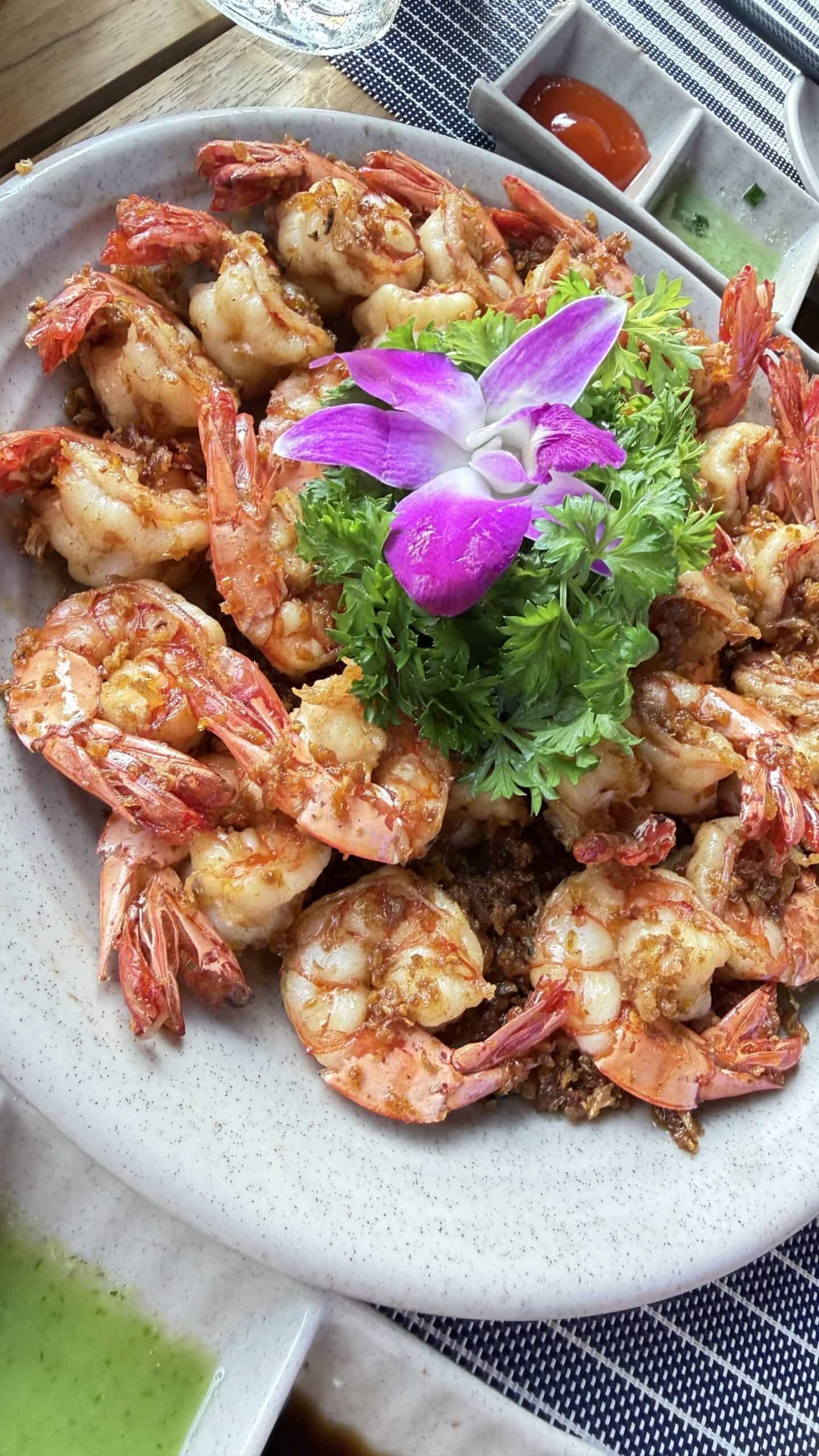
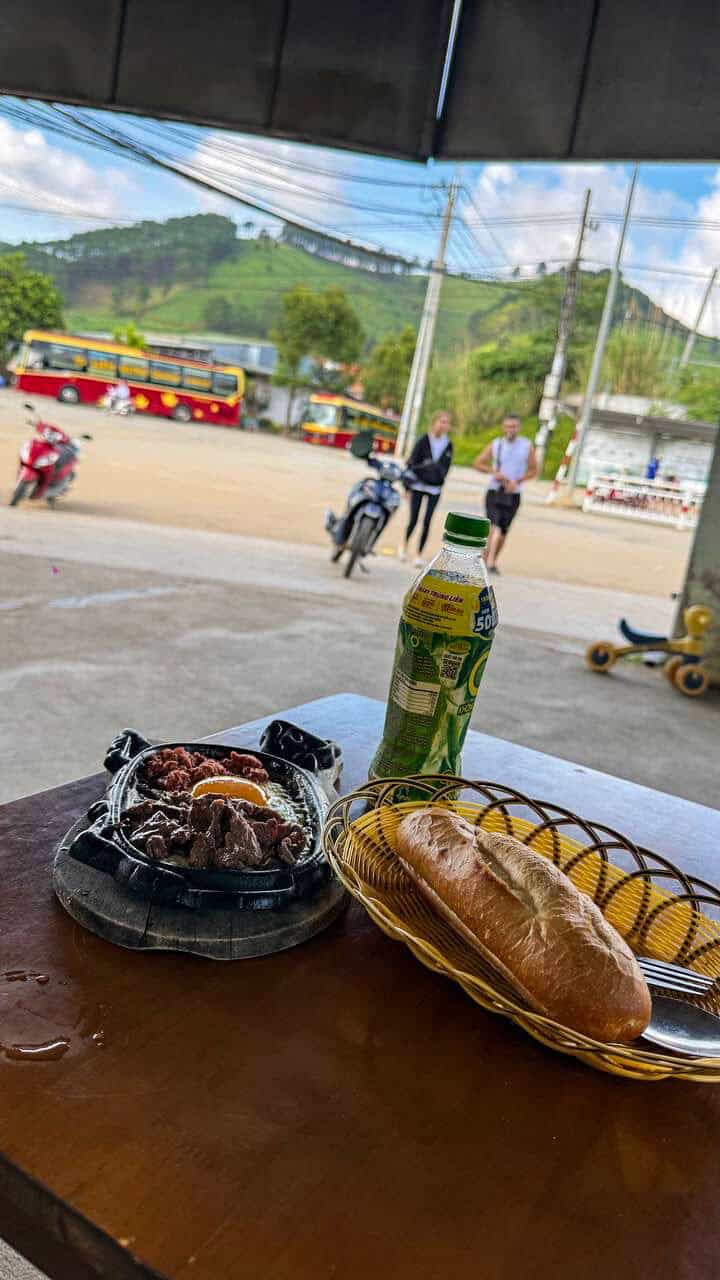
Eating well is part of the experience — and with the right approach, you can enjoy every bite without worry.
⚠️ The Reality: Why Vietnam Food Safety Matters
Foodborne illness outbreaks have periodically been investigated in Vietnam, including incidents involving bánh mì. An outbreak at one vendor does not prove that all bánh mì is unsafe. The practical risks are familiar: ready-to-eat pâté, sliced meats, mayonnaise, raw vegetables and sauces can become contaminated during preparation or storage. Choose vendors that refrigerate perishable fillings and prepare sandwiches with clean utensils.
Bread is not the only ingredient to assess. Pâté, cold cuts, egg-based sauces, raw vegetables and shared utensils can all introduce contamination if preparation or temperature control is poor. Perishable fillings should be refrigerated below 5°C or kept hot above 60°C; do not assume a sandwich is safe merely because it is assembled in front of you.
But here’s the good news: most visitors eat street food daily without issues. The difference between getting sick and staying healthy is rarely luck — it’s about knowing what to look for.
🍜 Vietnam Food Safety: What to Eat — The Safe List
Phở: A sensible choice when the broth is genuinely boiling hot, the meat is fully cooked and bowls, herbs and utensils are handled hygienically. Do not assume that briefly dipping raw beef into warm broth always cooks it thoroughly. For a lower-risk order, ask for fully cooked beef and skip raw garnishes if you cannot assess washing practices.
Bánh mì: Fresh assembly helps, but it does not guarantee safety. Check that pâté, cold cuts and mayonnaise are kept chilled, that raw greens are clean and that the worker does not touch cash and ready-to-eat ingredients with contaminated gloves. If refrigeration is unclear, order a fully cooked hot filling from a vendor with good food handling.
Bún bò Huế: Prefer a bowl with steaming hot broth and thoroughly cooked meat. Any optional raw greens or sprouts add a separate handling risk; cooked food can be recontaminated after serving.
Bánh xèo: The pancake is cooked to order, which is useful, but its meat or shrimp filling must also be fully cooked. Raw lettuce and herbs served for wrapping are separate considerations.
Grilled meat and seafood: Flames alone do not show that the centre is cooked. Choose skewers and seafood cooked all the way through and served immediately, with separate utensils for raw and cooked food. Avoid lukewarm pre-grilled portions displayed without temperature control.
Fresh coconut water: A coconut opened in front of you is often a lower-risk drink than an unsealed mixed beverage, provided the vendor uses a clean cutting tool and container. If in doubt, choose a factory-sealed bottled drink.
Ice: A hole through the middle of a cube does not prove that it was made with potable water or handled safely. Factory-made edible ice may be safer when its supply and storage are reliable, but appearance cannot verify its origin. Travellers who cannot confirm the water source should request drinks without ice.
🚫 What to Avoid — The Risky List
Raw or undercooked meat and seafood: While some local delicacies are served raw (like tiết canh — raw duck blood soup), these carry high risks of bacterial infection and parasites. Avoid them.
Pre-cooked food sitting out: If food has been sitting in the open for hours, bacteria multiply fast. In Vietnam’s heat, the two-hour rule is generous — if it looks like it’s been out longer, skip it.
Salads, herbs, sprouts and unpeeled fruit: Washing with contaminated water can introduce pathogens, and tap water is not safe to drink either. Asking a vendor is not a substitute for knowing the preparation process. For the lowest-risk choice, eat cooked vegetables or fruit you wash with safe water and peel yourself; be especially cautious if pregnant or immunocompromised.
Food from stalls with poor hygiene: If the stall is messy, if the vendor handles money then food without washing hands, or if there are flies around — walk away.
Homemade yogurt and unpasteurized dairy: Uncommon, but if you see it, avoid it. The risk of contamination is high in hot climates.
Unidentified meat: When in doubt, skip it. Stick to pork, chicken, beef, and seafood that you can recognize.
Vietnam Food Safety: Quick Risk Comparison
| Food or drink | Lower-risk choice | Avoid when |
|---|---|---|
| Phở / bún bò Huế | Steaming hot broth and fully cooked meat | Broth is lukewarm or meat is still raw |
| Bánh mì | Freshly cooked filling with safe storage | Pâté, sliced meat or mayo has sat warm |
| Bánh xèo | Freshly made with fully cooked filling | Shrimp or pork is undercooked |
| Grilled seafood | Thoroughly cooked, served immediately | Raw centre, reused raw-food tongs or room-temperature display |
| Herbs, sprouts and salad | Cooked vegetables or properly washed produce | Water source and handling are unknown |
| Fruit | Whole fruit peeled by you | Precut fruit is unrefrigerated |
| Water | Unopened sealed bottle or treated water | Untreated tap water |
| Ice | Verified food-grade ice handled hygienically | Origin is uncertain, whatever its shape |
These are risk-reduction practices, not guarantees. Poor hygiene can cause contamination even in busy restaurants and hotels.
🌊 Tap Water & Ice — The Real Risks
Tap water: Do not drink untreated tap water in Vietnam, including in major cities. Use sealed bottled or properly treated water for drinking and, for the cautious traveller, brushing teeth. If boiling is your treatment method, bring water to a rolling boil for at least one minute; other treatment methods must be appropriate for the contamination risk.
Bottled water: Factory-sealed bottles from established brands are generally a safer choice. Inspect the cap and seal before drinking. Prices vary considerably by shop, city and tourist venue.
Ice: Neither a cylindrical shape nor a hole guarantees potable water, sanitation or reliable storage. When you cannot verify an ice supplier, order a chilled, unopened bottled drink without added ice.
There is a growing shift towards bottled water for safety. Many cafes now use filtered water for their drinks — ask if you are unsure.
🧼 How to Spot a Safe Street Food Stall
Busy stalls: High turnover can reduce how long prepared dishes sit unrefrigerated, but customer queues are not a hygiene inspection. Evaluate cooking temperature, food storage and cleanliness as well.
High turnover: Food that sells quickly doesn’t sit out long. The faster the turnover, the fresher the food.
The chef’s hands: If the vendor handles money with one hand and food with the other without washing, think twice. Ideally, they use tongs, gloves, or a designated person for money.
Clean workspace: A messy, cluttered stall with food scraps and dirty utensils is a red flag.
Fresh ingredients: Meat and vegetables should look fresh. Wilted greens or pale meat are signs to walk away.
Location: The food at night markets tends to be freshly cooked, with high turnover. But the quality varies — look for the queues.
How to Choose Safer Street Food in Vietnam: Eight Checks
- Temperature: choose food cooked thoroughly and served hot; avoid lukewarm buffets.
- Storage: meats, pâté, sauces and dairy should be refrigerated below 5°C or held above 60°C when appropriate.
- Separation: raw chicken, seafood and cooked meals should have different cutting boards and utensils.
- Water: use a factory-sealed drink or water treated appropriately; do not judge ice by its shape.
- Hand hygiene: prefer vendors who wash hands or change clean gloves between food handling and cash.
- Fresh preparation: high turnover helps but does not replace safe storage and sanitation.
- Raw garnishes: consider skipping lettuce, sprouts and herbs if the washing method is unknown.
- Personal risk: travellers who are pregnant, immunocompromised or travelling with infants should be more conservative with raw food.
Food Temperature Rules That Matter
| Situation | Practical benchmark |
|---|---|
| Refrigerated perishable food | Prefer below 5°C |
| Hot-held cooked food | Prefer above 60°C |
| Prepared food left at room temperature | Do not rely on food held for more than 2 hours |
| Cooking | Thoroughly cook meat, eggs and seafood; steam and flames are not proof of centre temperature |
📍 Vietnam Food Safety by Region: Specialties & Risks
Hanoi (North): Known for phở, bún chả, and bánh cuốn. Safe bets. In the Old Quarter, avoid stalls that look like they’ve been set up for hours.
Huế (Centre): Known for bún bò Huế and cơm hến. Spicy, flavorful, and generally safe if fresh. Be cautious with tôm chua (fermented shrimp paste) — it’s very strongly flavored and often consumed raw, which can be a red flag.
Hội An (Centre): Known for cao lầu — a pork and noodle dish that requires a lot of handling. In 2026, some articles have flagged it for hygiene issues due to the handling. Choose a stall with high turnover.
Nha Trang (South): Known for seafood. The seafood here is excellent — order it grilled or fried, as this kills bacteria. Avoid raw seafood.
Ho Chi Minh City (South): Known for bánh mì, hủ tiếu, and cơm tấm. In 2026, bánh mì is under the spotlight after the food poisoning outbreaks — choose stalls with visible, clean preparation.
🍽️ Vietnam food safety: What to Do If You Get Sick
Many mild cases of traveller’s diarrhoea improve without specific treatment, but the duration varies and some infections require medical assessment. Prevent dehydration first: sip safe fluids and use packaged oral rehydration salts (ORS) mixed with the exact volume of safe water printed on the sachet. Do not dilute an ORS packet into an arbitrary-sized bottle. Seek prompt care for blood in stool, high fever, severe abdominal pain, confusion, fainting, minimal urination or inability to keep fluids down.
Get medical help immediately for severe dehydration, blood in stool, high fever, persistent vomiting, severe pain or concerning symptoms in children, older adults, pregnant travellers and immunocompromised people. For otherwise mild illness, contact a clinician if symptoms are worsening or not improving; do not rely on a rigid 24-hour waiting rule. Hospital language support, payment and insurance arrangements vary by facility.
A basic travel kit can include ORS and any clinician-recommended medicine. Loperamide may provide short-term symptom relief for some adults with non-bloody diarrhoea, but it should not be used alone for bloody diarrhoea or diarrhoea with fever. Antibiotics are not routine prevention and should be taken only when medically appropriate. Ask a clinician or pharmacist about suitability, especially for children or pregnancy.
When to seek help: If you have severe pain, high fever (over 39°C), bloody stools, or symptoms of dehydration (dizziness, dry mouth, not urinating), go to a hospital.
Food Poisoning in Vietnam: What to Do Step by Step
- Replace fluid losses: use ORS mixed according to the sachet with safe water; take small, frequent sips if nauseated.
- Eat as tolerated: small portions of simple food are acceptable; there is no need to starve yourself.
- Review medicines: loperamide is not appropriate as standalone therapy for diarrhoea with fever or blood in stools.
- Seek urgent care: blood in stool, high fever, severe pain, confusion, fainting, minimal urination or inability to keep fluids down are warning signs.
- Get individual advice: children, pregnant people, older adults and immunocompromised travellers may need earlier assessment.
Traveller’s diarrhoea has many possible causes, including bacteria, viruses and parasites; symptoms alone cannot identify the pathogen. Not all illness after eating is proof that the last meal caused it.
Vietnamese Phrases for Food Safety
| English | Vietnamese |
|---|---|
| Is this fully cooked? | Món này chín kỹ chưa? |
| No raw vegetables, please. | Cho tôi không rau sống. |
| No ice, please. | Không đá, cảm ơn. |
| Do you have bottled water? | Có nước đóng chai không? |
| I am allergic to peanuts. | Tôi bị dị ứng đậu phộng. |
💎 Final Verdict
Vietnam food safety should not stop you enjoying one of the best street food scenes in the world. However, with basic precautions, you can enjoy it safely. The golden rule is to eat where locals eat and choose freshly cooked food. The safest habits are to choose fully cooked hot food, avoid unsafe water and questionable ice, and act promptly if dehydration or severe symptoms develop.
🏨 Where to Stay & What to Pair It With
Once you’ve got your food safety knowledge, it’s time to book your accommodation. You’ll find everything from budget guesthouses to luxury resorts across Vietnam — check hotels in Vietnam to compare prices and read guest reviews. For a broader overview, I’ve put together guides to the best hotels on Phu Quoc, best hotels in Da Nang, and best hotels in Nha Trang if you’re still deciding where to base yourself.
FAQ: Vietnam Food Safety
Is Vietnamese street food safe for tourists?
It can be, but no street stall is automatically safe. Prefer fully cooked, hot dishes from vendors who store ingredients properly and handle food hygienically.
What is the safest street food in Vietnam?
Freshly cooked and steaming-hot foods such as noodle soup with fully cooked meat or bánh xèo with thoroughly cooked filling are generally lower-risk than raw or unrefrigerated items.
Can I eat bánh mì in Vietnam?
Yes, but assess the storage of pâté, cold cuts, sauces and vegetables. A freshly assembled sandwich is not necessarily safe if its perishable fillings were held warm.
Is ice with a hole in the middle safe in Vietnam?
The hole is not proof of potable water or hygienic handling. Choose verified edible ice or skip it if the source is uncertain.
Can I drink tap water in Vietnam?
Do not drink untreated tap water. Use sealed bottled water or appropriately treated water, including for cautious toothbrushing.
Which foods should tourists avoid in Vietnam?
Avoid raw blood dishes such as tiết canh, raw or undercooked meat and seafood, unpasteurised dairy, unrefrigerated ready-to-eat food and unwashed raw produce of uncertain origin.
How can I prevent food poisoning in Vietnam?
Choose hot freshly cooked food, safe water, correctly stored ingredients and clean utensils. Good choices reduce risk but cannot eliminate it.
What should I do if I get traveller’s diarrhoea?
Use oral rehydration salts with safe water and monitor symptoms. Seek prompt medical care for fever with bloody stool, severe pain, dehydration or inability to retain fluids.
Should I take antibiotics for every case of food poisoning?
No. Antibiotics are not routinely needed for mild traveller’s diarrhoea; a clinician can advise if treatment is warranted based on severity and circumstances.
Are hotel buffets safer than street stalls?
Not necessarily. Temperature control, sanitation and time spent at room temperature matter at both buffets and stalls.
Build your Vietnam route — free.