Planning your first trip to Sapa? This mountain town in northern Vietnam is famous for dramatic valleys, rice terraces, ethnic minority villages, mountain scenery and Fansipan, the highest peak in Indochina.
Sapa is very different from Hanoi and the other major cities in Vietnam. You come here for cooler mountain air, spectacular landscapes, trekking, local culture and a slower pace.
This Sapa for first-time visitors guide explains how to get there, where to stay, what to do, how many days you need, when to visit, what trekking is really like and how to plan your trip without wasting time.
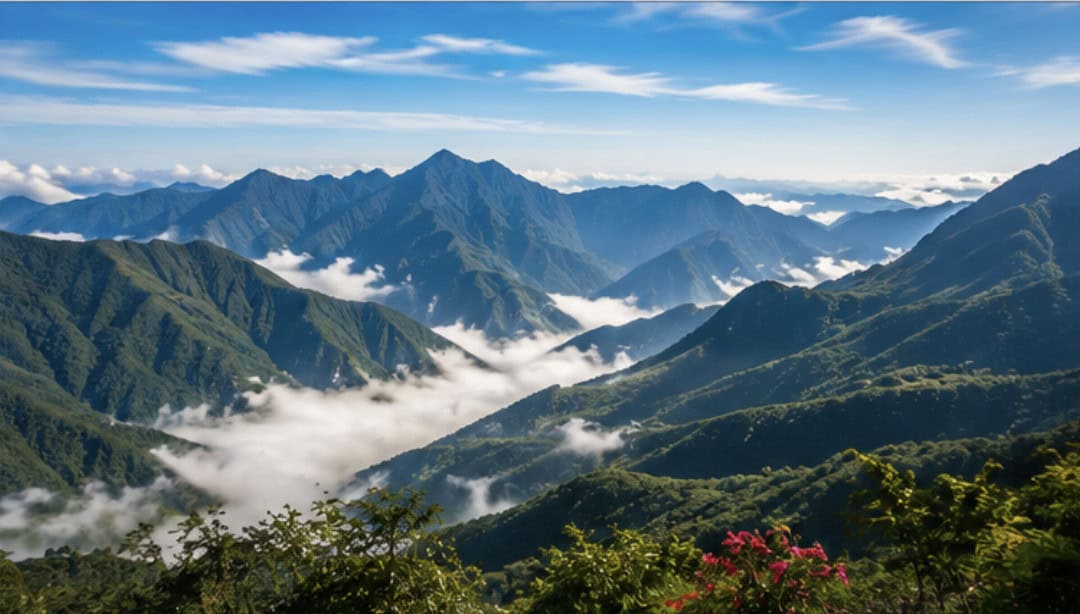
Is Sapa Worth Visiting?
Yes, especially if you want to see a completely different side of Vietnam.
Sapa is surrounded by mountains and deep valleys, with rice terraces covering many of the slopes. The area is also home to several ethnic minority communities, making the region culturally different from the large Vietnamese cities.
The main reason to visit is the combination of mountain scenery, trekking and local culture.
It is not necessarily the best destination if you are looking for beaches, nightlife or luxury city experiences. For those, places such as Da Nang, Nha Trang or Phu Quoc are better suited.
Sapa is about getting into the mountains and seeing a quieter side of northern Vietnam.
How Many Days Do You Need in Sapa?
For most first-time visitors, 2–3 days in Sapa is enough.
- 1 day: possible, but too rushed for most travelers.
- 2 days: enough for the main sights and one trekking experience.
- 3 days: ideal for a first visit.
- 4+ days: worthwhile if you want longer treks or a slower mountain stay.
Remember that getting to Sapa takes time. If you are traveling from Hanoi, it is usually better to spend at least two nights rather than trying to squeeze everything into a very short visit.
Where Is Sapa?
Sapa is in Lao Cai Province in northern Vietnam, relatively close to the Chinese border.
The town sits high in the Hoang Lien Son mountain range and is surrounded by valleys, villages and mountains.
The closest major transport hub is Lao Cai. From there, the road continues uphill toward Sapa.
For most international visitors, the easiest starting point is Hanoi.
How to Get From Hanoi to Sapa
There is no airport in Sapa, so you need to travel overland.
The main options are:
- Sleeper bus: usually the simplest option for independent travelers.
- Train to Lao Cai: a classic option, followed by a transfer to Sapa.
- Private transfer: more comfortable and convenient for families or groups.
- Organized tour: useful if you want transportation, accommodation and activities arranged together.
If you are traveling directly from Hanoi, you can compare Sapa tours and travel options.
You can also check Vietnam transport and flight options if Sapa is part of a longer itinerary.
Where to Stay in Sapa
Where you stay can significantly change your experience.
Sapa Town Centre
Best for: first-time visitors, convenience, restaurants and easy access to tours.
The town centre is the easiest choice if you want everything close by. Restaurants, cafes, shops, tour operators and transportation are all within easy reach.
The disadvantage is that the centre can feel busy and tourist-oriented.
Muong Hoa Valley
Best for: scenery, quiet stays and mountain views.
Staying farther down in the valley gives you a much more rural experience. You are closer to the rice terraces and villages but farther from the centre of Sapa.
Village Homestays
Best for: cultural experiences and travelers who want to experience rural Vietnam.
A homestay can be one of the most memorable parts of a Sapa trip, particularly if you want to spend more time around local communities rather than staying in a conventional hotel.
If you prefer a hotel in town, you can browse Sapa hotels and compare different areas and accommodation types.
Best Things to Do in Sapa
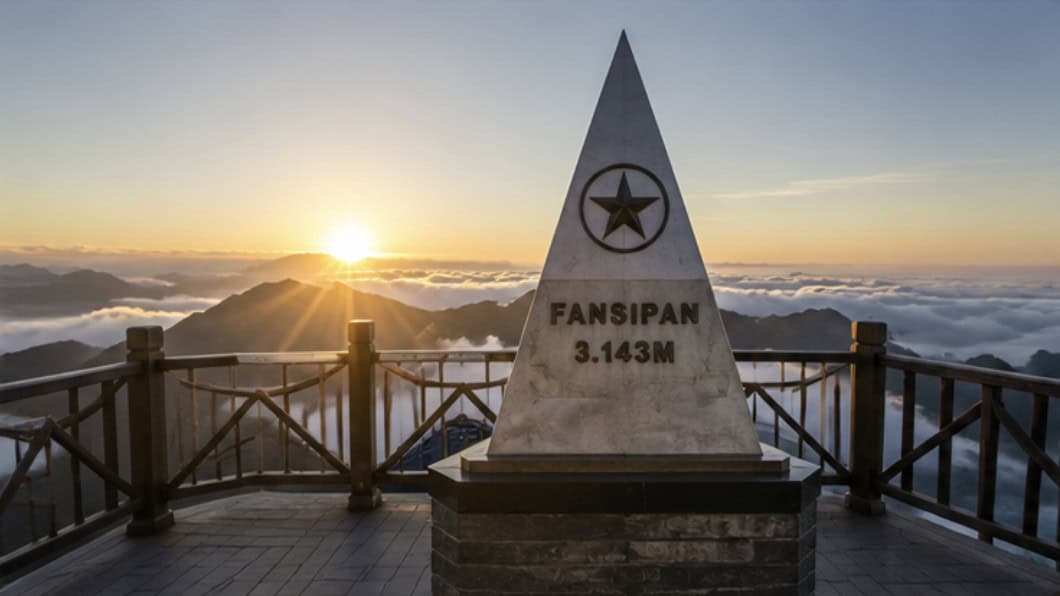
1. Visit Fansipan
Fansipan is the highest mountain in Vietnam and the highest peak in Indochina.
You do not necessarily have to climb the mountain. The modern cable car system allows visitors to reach the summit area without completing a multi-day trek.
For travelers who want the mountain experience without an extremely demanding hike, this is one of the easiest ways to see the region from above.
Weather is important, however. Clouds can completely obscure the views, so check conditions before going.
You can compare Fansipan tickets and Sapa mountain experiences before your visit.
2. Explore the Rice Terraces
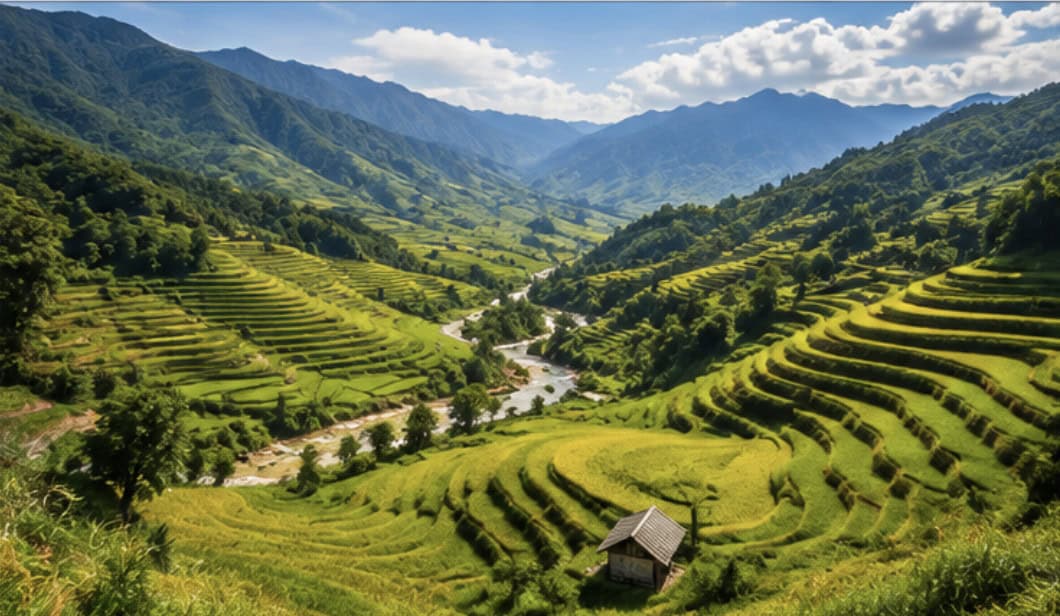
The rice terraces are one of the main reasons people travel to Sapa.
They cover the mountain slopes around the valleys and change dramatically throughout the year.
During the growing season, the terraces can appear intensely green. Around harvest time, they take on golden colors.
The exact appearance depends on the agricultural calendar and weather, so do not assume the terraces will look the same in every month.
The best way to experience them is often on foot, either independently or with a local guide.
3. Go Trekking
Trekking is one of the best experiences you can have in Sapa.
Routes range from relatively easy walks through villages and valleys to longer and more demanding mountain hikes.
You do not need to be an experienced hiker to enjoy Sapa. The important thing is choosing a route that matches your fitness level and the weather.
Wet conditions can make paths muddy and slippery, particularly around the rice terraces.
If you want transportation, a local guide and a planned route, you can browse Sapa trekking tours.
4. Visit Local Villages
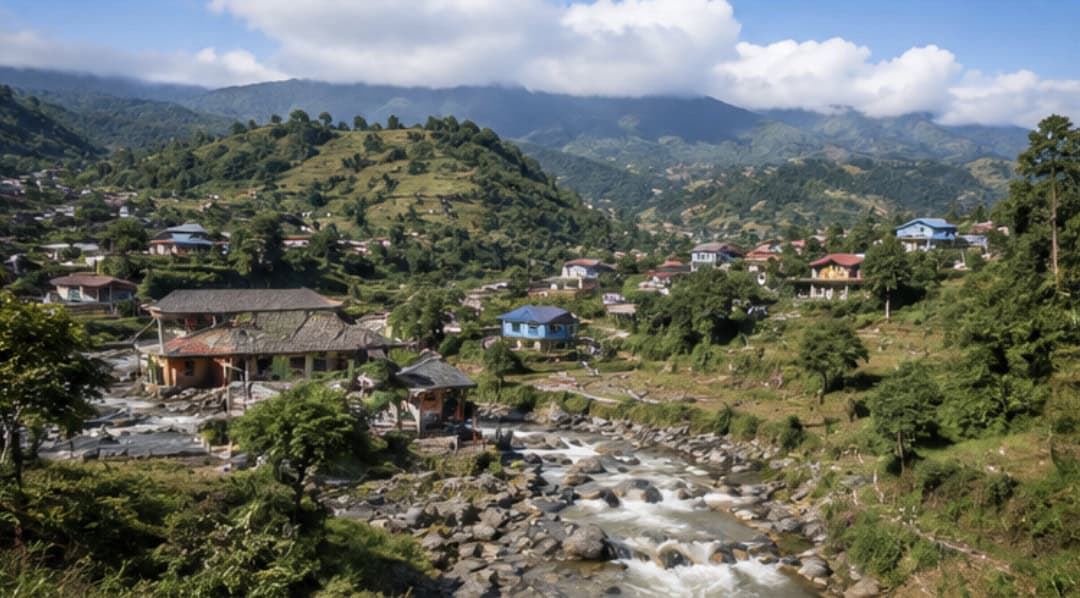
Several villages around Sapa are associated with ethnic minority communities, including Hmong, Red Dao and Tay people.
Visiting these areas can give you a better understanding of rural life in northern Vietnam.
A guided village visit is often more informative than simply walking through on your own because a local guide can explain traditions, agriculture, architecture and everyday life.
Be respectful when taking photographs. People are not attractions, and it is always better to ask before photographing someone closely.
5. Stay in a Mountain Homestay
For many visitors, staying in a village homestay is more memorable than staying in a standard hotel in Sapa town.
You can wake up surrounded by mountains and rice terraces, eat local food and experience a much quieter side of the region.
Homestays vary considerably. Some are very basic traditional properties, while others are comfortable guesthouses with excellent views.
Choose according to the experience you want rather than assuming every homestay offers the same level of comfort.
6. Visit Sapa Stone Church
The Stone Church of Sapa is one of the most recognizable landmarks in the town centre.
It is easy to include in a walking itinerary because it is close to the central square and other parts of town.
It is not a reason by itself to spend several days in Sapa, but it makes a convenient stop while exploring the centre.
7. Explore Muong Hoa Valley
Muong Hoa Valley is one of the most scenic areas around Sapa.
The valley combines rice terraces, mountain scenery, villages and walking routes.
If you only have time for one major countryside experience, a walk through the valley is one of the strongest choices.
Weather can dramatically change the appearance of the landscape. Misty days create a completely different atmosphere from clear sunny mornings.
Do You Need a Guide for Sapa Trekking?
Not always, but a guide can make a significant difference.
For a short and well-known route, experienced travelers may prefer to walk independently.
For longer routes, village visits or unfamiliar terrain, a local guide is much more useful.
A guide can also help with navigation, explain local culture and adjust the route when weather conditions change.
If you want to arrange everything before arriving, compare guided Sapa trekking experiences.
Is Sapa Difficult to Trek?
It depends entirely on the route.
A short village walk is very different from a full-day mountain trek.
Some paths are steep, muddy or uneven. During rainy weather, even relatively easy routes can become significantly harder.
Wear proper walking shoes, carry water and do not underestimate the terrain simply because the route appears short on a map.
When Is the Best Time to Visit Sapa?
There is no single perfect month for everyone.
Your ideal time depends on whether you care most about comfortable trekking weather, green rice terraces, harvest colors or mountain scenery.
Spring can bring pleasant conditions and changing mountain landscapes.
Summer can be greener but also wetter, with heavier rain possible.
Autumn is particularly popular because of the rice terraces and generally favorable conditions.
Winter can be cold and misty, giving Sapa a completely different atmosphere.
Always check the short-term forecast before trekking because mountain weather can change quickly.
What Is Sapa Weather Like?
Sapa is considerably cooler than Hanoi and much of southern Vietnam because of its elevation.
Temperatures can change quickly during the day, particularly when clouds and mist move through the mountains.
Even if Hanoi is warm when you leave, do not assume Sapa will feel the same.
Bring layers, comfortable waterproof footwear and a light rain jacket.
What Should You Pack for Sapa?
- Comfortable walking shoes with good grip.
- Light layers that can be added or removed.
- A rain jacket.
- Small backpack for day walks.
- Reusable water bottle.
- Sun protection.
- Warm layer during cooler months.
- Basic personal medication.
If you are planning longer trekking routes, pack as lightly as possible. You will notice every extra kilogram on steep paths.
Is Sapa Suitable for Families?
Yes, but the itinerary should be adjusted.
Families can enjoy Fansipan, scenic viewpoints, easy village walks and comfortable mountain accommodation without doing demanding treks.
Young children may find long muddy routes tiring, particularly in wet weather.
A private tour can be useful for families because the itinerary can be adapted to the group’s pace.
You can browse family-friendly Sapa experiences when planning the trip.
Is Sapa Good for Couples?
Sapa can work very well for couples who enjoy mountains, scenery and quieter experiences.
Consider staying in a mountain-view hotel or homestay, taking a scenic walk through the valley and visiting Fansipan if weather conditions are good.
The landscape is particularly impressive when the valleys are clear and the mountains are visible.
Is Sapa Expensive?
Sapa can be relatively affordable, but prices vary depending on your accommodation and the type of experience you choose.
Budget travelers can use sleeper buses, local restaurants and simple accommodation.
Mid-range travelers have a large selection of comfortable hotels and organized excursions.
Luxury travelers can choose high-end mountain resorts, private transfers and private guided experiences.
Before booking, you can compare Sapa hotels and mountain accommodation.
What Should You Eat in Sapa?
Sapa has its own mountain food culture, with dishes influenced by the communities living in the surrounding region.
Look for local grilled foods, hotpot, mountain vegetables and traditional dishes using ingredients from the northern highlands.
Hot food is particularly enjoyable when the weather is cold or misty.
Do not expect the same range of restaurants you would find in Hanoi. Part of the appeal of Sapa is trying local food in a much smaller mountain environment.
How to Spend 2 Days in Sapa
Day 1: Sapa Town and Fansipan
Start by exploring central Sapa and getting familiar with the town.
If the weather is clear, use the afternoon for Fansipan and the surrounding mountain experience.
Return to town for dinner and a relaxed evening.
Day 2: Trekking and Villages
Spend the morning walking through the surrounding valleys and villages.
Choose a route that matches your fitness level rather than trying to cover the maximum distance.
Return to Sapa in the afternoon and leave enough time for your journey back to Hanoi.
How to Spend 3 Days in Sapa
Day 1: Arrive and Explore Sapa
Check into your accommodation, walk around the centre and visit the Stone Church and central areas.
Day 2: Fansipan and Mountain Scenery
Use your second day for Fansipan if the weather is suitable, or choose a scenic mountain activity instead.
Day 3: Trekking and Local Villages
Spend your final day exploring Muong Hoa Valley or another village route before returning to Hanoi.
If you want a slower trip, extend the stay and spend a night in a village homestay.
Sapa or Ha Long Bay?
Torn between Sapa and Ha Giang instead? Here’s how they compare.
| Sapa | Ha Long Bay |
|---|---|
| Mountains | Sea and limestone islands |
| Trekking | Cruising |
| Rice terraces | Caves and islands |
| Village experiences | Boat experiences |
| Cool mountain climate | Coastal climate |
If you have enough time, there is no reason to choose only one. They complement each other particularly well in a northern Vietnam itinerary.
Sapa or Ninh Binh?
Ninh Binh is generally easier to visit from Hanoi as a short excursion, while Sapa requires more travel time.
Choose Sapa if mountains, trekking and ethnic minority culture are your priorities.
Choose Ninh Binh if you want limestone landscapes, rivers, temples and countryside without committing several days to a mountain destination.
Travelers with enough time can visit both.
Best Sapa Experiences for Different Travelers
For First-Time Visitors
Combine Fansipan, one village or valley walk and time exploring Sapa town.
For Hikers
Spend more time in the valleys and choose longer trekking routes with a local guide.
For Families
Choose Fansipan, scenic viewpoints, easy walks and comfortable accommodation rather than demanding treks.
For Couples
Choose a mountain-view hotel or homestay, scenic walks and a relaxed itinerary.
For Photographers
Prioritize the rice terraces, mountain valleys and village landscapes. Allow flexibility because clouds and mist can completely change the scenery.
How to Book Sapa Tours
You can arrange Sapa activities after arriving, but booking ahead can make sense during busy travel periods.
Online booking is particularly useful when you want to compare different trekking routes, Fansipan experiences, private tours and multi-day packages.
Browse Sapa tours and experiences and compare the options before your trip.
Where to Book Your Sapa Hotel
Your accommodation choice depends on whether you want convenience or scenery.
Stay in central Sapa if you want restaurants, shops and transportation nearby. Choose a valley or village property if the mountain landscape and quiet atmosphere are more important.
Compare Sapa hotels before choosing your area.
Final Advice for First-Time Visitors to Sapa
Do not treat Sapa as just another sightseeing stop.
The town itself is only part of the experience. The real reason to come is the landscape surrounding it: mountains, valleys, rice terraces and villages.
Give yourself enough time to get beyond the centre. Even one good valley walk can be more memorable than visiting several small attractions in town.
Keep your itinerary flexible because mountain weather matters. A clear morning can give you spectacular views, while clouds can completely change the experience a few hours later.
For your first trip, two or three days is a good balance. Combine one major mountain experience, one trek or village visit and enough free time to enjoy the scenery.
When you are ready to plan the trip, check transport options, compare Sapa hotels and browse Sapa tours and experiences.
Frequently Asked Questions
How many days should I spend in Sapa?
Two to three days is ideal for most first-time visitors. This gives you enough time for Fansipan, a trekking or village experience and some time to explore the town.
How do I get from Hanoi to Sapa?
The most common options are sleeper bus, train to Lao Cai followed by a transfer, private transfer or an organized tour.
Do I need a guide for Sapa?
Not for every activity. Independent travelers can explore some areas themselves, but a local guide is useful for longer treks, village visits and unfamiliar routes.
Is Sapa suitable for beginners?
Yes. You do not need advanced hiking experience to visit Sapa. Choose shorter and easier routes if you are not accustomed to mountain trekking.
Is Fansipan worth visiting?
Yes, particularly when the weather is clear. The cable car makes the mountain accessible even to visitors who do not want to complete a demanding trek.
When is the best time to see the rice terraces in Sapa?
The appearance changes throughout the agricultural year. The terraces can be green during the growing season and turn golden around harvest time. Weather and local farming schedules vary.
Where is the best place to stay in Sapa?
Sapa town is best for convenience, while the valleys and surrounding villages are better for scenery and a quieter experience.
Is Sapa expensive?
Sapa works for different budgets. You can travel inexpensively with local accommodation and transport, or choose luxury mountain hotels, private transfers and private tours.
Planning a wider Southeast Asia trip?
Cambodia With Me — practical Cambodia travel guides
Siam With Me — Thailand travel guides
Indonesia With Me — Indonesia travel guides
Singapore With Me — Singapore travel guides
Build your Vietnam route — free.