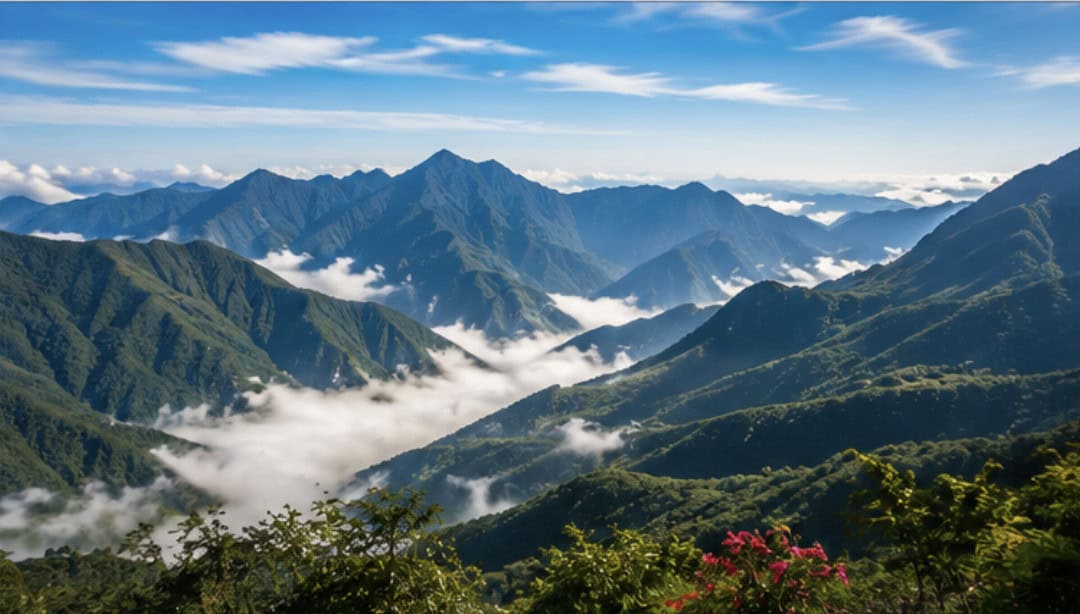
Sapa is one of the best places in northern Vietnam for travellers who want to get away from cities and spend time in the mountains.
The scenery is the main attraction, but there is much more to do than simply look at the rice terraces. You can trek through mountain valleys, visit local villages, ride the cable car toward Fansipan, stay in a homestay, explore waterfalls and spend time in the countryside around Sapa.
The difficult part is choosing what is actually worth your time. There are many tours available, and some experiences overlap considerably.
This guide focuses on the best Sapa tours and experiences for different types of travellers, from easy sightseeing to full-day trekking and overnight mountain experiences.
Best Sapa Tours & Experiences at a Glance
| Experience | Best For |
|---|---|
| Muong Hoa Valley trekking | First-time visitors and photographers |
| Village trekking | Culture and countryside |
| Fansipan cable car experience | Mountain views without a demanding hike |
| Fansipan trekking | Experienced hikers |
| Rice terrace tours | Scenery and photography |
| Cat Cat Village | Easy sightseeing |
| Ta Van and Lao Chai | Valley trekking and local culture |
| Ta Phin Village | Culture and quieter countryside |
| Mountain homestay | Slow travel and local experiences |
| Waterfall excursions | Nature lovers |
| Private trekking tour | Couples, families and small groups |
| Multi-day trekking | Hikers who want a deeper experience |
1. Trek Through Muong Hoa Valley
If you only choose one organized experience in Sapa, Muong Hoa Valley trekking is one of the strongest options.
The valley is surrounded by mountains and terraced fields, with walking routes connecting villages and countryside areas below Sapa.
The experience is less about reaching one particular attraction and more about seeing how the landscape changes as you move through it.
You can walk between rice terraces, small settlements and mountain viewpoints while getting away from the busier centre of Sapa.
For first-time visitors, a half-day or full-day guided trek is usually a good introduction.
Browse Muong Hoa Valley trekking experiences and compare route length, group size and included transportation.
2. Trek Through Sapa’s Villages
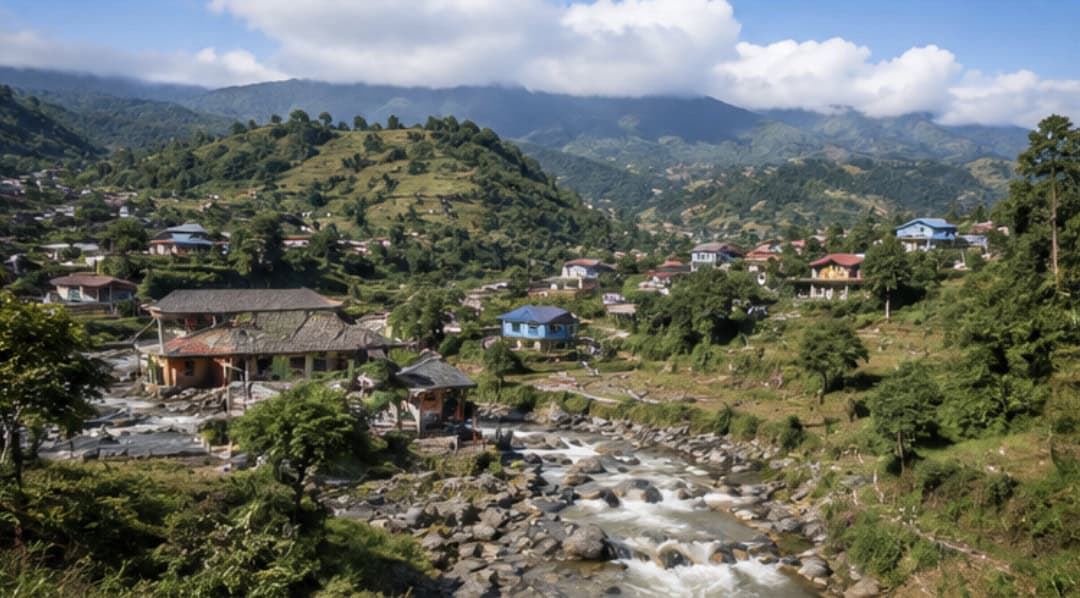
Village trekking is one of the best ways to experience the countryside around Sapa.
Routes can pass through communities associated with Hmong, Dao, Tay and other ethnic groups. The landscape changes from busy tourist areas to farmland, houses, rice terraces and forested slopes.
A local guide adds considerable value here. They can explain the communities you are visiting, local agriculture and the landscape rather than simply leading you from one viewpoint to another.
For travellers interested in local culture, this can be more rewarding than visiting several attractions in Sapa town.
Compare guided village trekking tours in Sapa before choosing a route.
3. Visit Fansipan
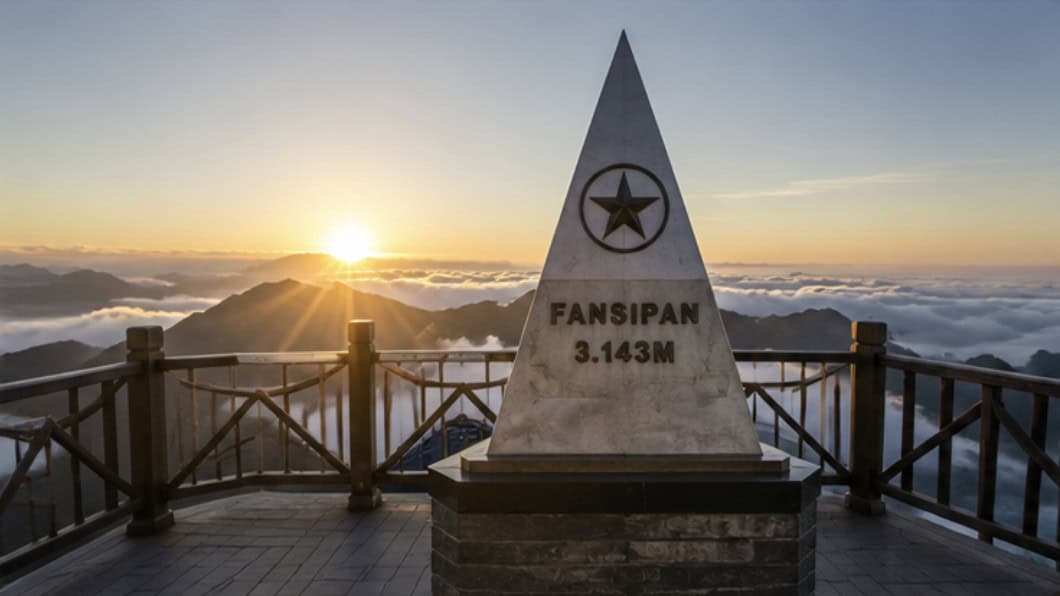
Fansipan is the major mountain experience associated with Sapa.
You have two very different ways to experience it.
The easier option is to use the cable car system and reach the summit area without completing a long mountain trek.
The alternative is to trek toward the summit, which is much more physically demanding and requires proper preparation.
For most visitors who simply want the mountain experience, the cable car is the practical choice.
Weather is particularly important. Clouds and mist can completely change the experience and may reduce visibility from the summit.
Check Fansipan tickets and Sapa mountain experiences before your visit.
4. See the Sapa Rice Terraces
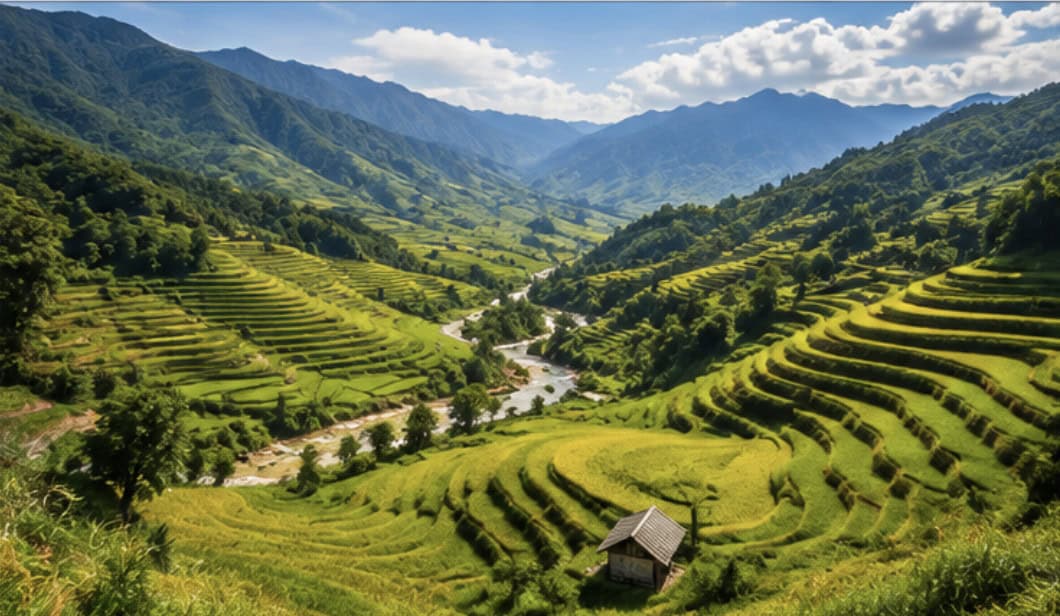
The rice terraces are probably the most recognizable landscape around Sapa.
They are not simply one attraction that you visit and leave. The terraces spread across the surrounding valleys, so the best way to see them is often as part of a trekking or countryside experience.
Their appearance changes throughout the agricultural season. Depending on when you visit, the fields can be green, golden or partially flooded.
If photography is one of your priorities, give yourself enough time to explore rather than trying to visit a single viewpoint and move on.
Find Sapa rice terrace tours and trekking routes that include time in the countryside.
5. Visit Cat Cat Village
Cat Cat Village is one of the easiest village experiences to add to a Sapa itinerary.
Its proximity to Sapa makes it convenient for travellers who do not want to commit to a full-day trek.
You can combine village sightseeing with mountain scenery, traditional architecture and walking routes.
The experience is more tourist-oriented than some of the more remote villages, so travellers looking for a quieter cultural experience may prefer a longer trek through the Muong Hoa Valley or other surrounding areas.
If you have limited time, however, Cat Cat can be a practical introduction to the countryside.
6. Trek to Lao Chai and Ta Van
The route through Lao Chai and Ta Van is one of the better choices for travellers who want a longer village and valley experience.
The route takes you farther into the landscape surrounding Sapa, with rice terraces, mountain scenery and local settlements along the way.
This is where having a guide becomes particularly useful. The value is not only navigation but also understanding what you are seeing.
A full-day trek can be combined with a homestay if you want to extend the experience beyond a single afternoon.
Compare Lao Chai and Ta Van trekking tours for different route lengths and group formats.
7. Explore Ta Phin Village
Ta Phin is another option for travellers interested in village life and local culture.
It can be a good alternative if you want to move away from the busiest tourist routes around central Sapa.
Combine the visit with a short trek or a broader countryside itinerary rather than treating the village as a quick photo stop.
Travellers interested in traditional culture may find this type of experience more rewarding when accompanied by someone who can explain the local community and customs.
8. Stay in a Sapa Mountain Homestay
A homestay changes the character of a Sapa trip completely.
Instead of staying in the town centre and making short excursions into the countryside, you can spend the night closer to the rice terraces and villages.
This is particularly attractive if you prefer slow travel and want to wake up surrounded by mountains rather than traffic and hotels.
Homestays vary widely. Some are very basic and traditional, while others operate more like comfortable guesthouses with private rooms and excellent mountain views.
If you want accommodation in the centre instead, compare Sapa hotels and mountain accommodation before deciding where to stay.
9. Take a Multi-Day Sapa Trek
One of the biggest advantages of spending more than two days in Sapa is the possibility of going beyond a standard half-day excursion.
A multi-day trek can take you deeper into the valleys and villages, with an overnight stay in a mountain homestay.
This is a better option for travellers who want the journey itself to be the main experience.
You should, however, be realistic about the physical demands. Mountain paths can be steep, uneven and slippery after rain.
If you are unsure which route matches your fitness level, look through multi-day Sapa trekking tours and compare the distances and itineraries carefully.
10. Try an Easy Sapa Trek
Not every Sapa trek needs to be difficult.
Shorter walks through villages and rice terraces are suitable for travellers who want the scenery without committing to a demanding mountain route.
This can be a particularly good option for families, older travellers or anyone who simply wants to spend a few hours outside.
The important thing is to choose the route first and then decide whether you need a guide, rather than assuming every tour advertised as “trekking” has the same difficulty.
11. Combine Trekking With a Local Lunch
A trekking experience becomes more interesting when you slow down for a local meal instead of treating the walk as a race between viewpoints.
Some organized excursions combine countryside walks with lunch in a village or local home.
This gives you time to rest and also adds a food component to the experience.
If Vietnamese food is one of your main interests, our Hanoi Tours & Experiences guide also covers food-focused experiences in the capital, which can complement a more outdoors-focused Sapa itinerary.
12. Explore Sapa Waterfalls
Waterfalls are another option when you want a break from the main trekking routes.
The surrounding mountains receive significant rainfall, creating streams and waterfalls throughout the region.
A waterfall excursion can work particularly well when combined with a countryside drive or short walk.
Do not expect every waterfall to have the same amount of water throughout the year. Seasonal rainfall can make a substantial difference.
Browse Sapa nature and waterfall excursions if you want to combine several attractions in one trip.
13. Explore Sapa by Private Tour
A private tour makes sense when you do not want to follow a fixed group itinerary.
You can usually spend more time at the places that interest you and reduce activities that do not.
This is particularly useful for couples, families and small groups with different fitness levels.
For example, one person may want a short village walk while another wants more time taking photographs of the rice terraces.
Compare private Sapa tours if flexibility is more important to you than finding the cheapest group excursion.
14. Take a Photography-Focused Sapa Experience
Sapa is an excellent destination for photography because the landscape changes dramatically with weather and light.
Rice terraces, mountain ridges, villages and mist can all look completely different within the same day.
Rather than visiting as many attractions as possible, photographers should consider choosing one valley and spending several hours there.
Early morning and late afternoon can produce very different conditions from the middle of the day.
15. Experience Sapa in Misty Weather
Clear weather is obviously useful for mountain views, but mist is also part of Sapa’s character.
Clouds moving through the valleys can create an atmospheric landscape that looks completely different from the postcard version of the destination.
The important distinction is between atmospheric mist and genuinely poor conditions that make trekking uncomfortable or unsafe.
Keep your itinerary flexible enough to move outdoor activities when the weather gives you a better opportunity.
Which Sapa Experience Is Best for You?
| If You Want… | Choose… |
|---|---|
| The classic Sapa experience | Muong Hoa Valley trekking |
| Mountain views without hard hiking | Fansipan cable car |
| Serious hiking | Multi-day trekking |
| Rice terraces | Muong Hoa and surrounding valleys |
| Local culture | Village trekking with a local guide |
| Easy sightseeing | Cat Cat Village |
| A quieter experience | Ta Phin or a mountain homestay |
| Couples | Private trek and mountain accommodation |
| Families | Easy trekking and Fansipan |
| Photography | Rice terraces and valley trekking |
How Many Sapa Tours Should You Book?
You do not need to book a tour for every day.
Sapa is easy to combine between organized activities and independent exploration.
For a two-day visit, one organized trekking experience plus Fansipan or independent sightseeing is enough for most people.
With three days, you can add a longer village route or spend a night outside the town.
The Sapa for First-Time Visitors guide explains how these activities fit into different trip lengths.
Best Sapa Tours for Different Travellers
For First-Time Visitors
Start with Muong Hoa Valley, one village experience and Fansipan if the weather is clear.
For Hikers
Choose a longer route through the valleys and consider an overnight homestay.
For Families
Fansipan and easier village walks are usually more practical than demanding full-day treks.
For Couples
A private trek combined with a mountain-view hotel or homestay offers more flexibility than a large group excursion.
For Photographers
Prioritize the rice terraces and valleys and leave room in the itinerary for changing weather and light.
For Budget Travellers
Choose a group trekking tour, stay in simple accommodation and spend more time exploring the countryside independently.
How to Choose a Sapa Tour
Look beyond the title and advertised price.
Before booking, check:
- How long you will actually be walking.
- The approximate distance.
- Elevation changes.
- Whether transportation is included.
- Whether meals are included.
- Group size.
- Whether a local guide is included.
- Entrance fees.
- Cancellation conditions.
This is particularly important with trekking. A “full-day Sapa trek” can mean very different things depending on the operator.
Compare Sapa tours and trekking experiences before making your choice.
Should You Book Sapa Tours in Advance?
For popular travel periods, booking ahead can make sense, particularly if you want a private guide, specific accommodation or a particular cruise-style itinerary in the mountains.
Independent travellers can also arrange some activities after arriving in Sapa.
The advantage of booking online is that you can compare itineraries, prices and reviews before you arrive.
If your dates are flexible, you may also have more options once you know the weather forecast.
What to Wear for Sapa Tours
Mountain weather can be very different from Hanoi.
For trekking, comfortable shoes with good grip are more important than fashionable clothing.
Bring layers so you can adapt to changing temperatures and a rain jacket for wet conditions.
Our Vietnam Packing List covers the general equipment you need for a trip around Vietnam, while Sapa requires particular attention to footwear and weather protection.
When Is the Best Time for Sapa Tours?
The best time depends on which experience matters most to you.
If you want to see the rice terraces, the agricultural season is important. If trekking comfort is your priority, pay attention to rainfall and temperatures.
Clearer conditions can make mountain viewpoints much more rewarding, while mist can create a completely different atmosphere.
Our Vietnam Weather by Month Guide is useful when you are planning a wider Vietnam itinerary, but Sapa’s mountain climate deserves additional attention.
How to Get to Sapa for a Tour
Most visitors arrive from Hanoi by sleeper bus, limousine transfer or train to Lao Cai followed by a road transfer.
If you book a package, transportation from Hanoi may already be included.
Always check this before booking because a cheap-looking tour can become considerably more expensive once transfers are added separately.
The Sapa travel guide has more information about the different ways to reach the town.
You can also compare Sapa tours with transportation included.
Where to Stay for Sapa Tours
If you are taking several day tours, staying in Sapa town is usually the easiest option.
You will have better access to restaurants, transportation and tour meeting points.
If the accommodation itself is part of the experience, choose a property outside the centre with mountain or valley views.
Compare Sapa hotels and mountain stays before choosing your base.
Sapa Tours vs Independent Travel
You can absolutely explore Sapa independently.
Walking around town, visiting viewpoints and taking short routes can be done without booking anything.
Organized tours become more useful when you want to go deeper into the countryside, visit several villages in one day, understand local culture or arrange transportation between remote areas.
The best approach for many travellers is therefore a combination: one or two organized experiences plus independent time.
Final Thoughts
The best Sapa experience is not necessarily the most expensive tour or the longest trek.
For most first-time visitors, the strongest combination is simple: spend time in the mountains, walk through the rice terraces, visit at least one village and choose either Fansipan or a longer trekking route depending on your interests.
If you have two days, keep the itinerary focused. With three or more days, slow down and spend more time outside the town.
And do not forget that weather is part of the experience. Sapa can look completely different from one day to the next.
When you are ready to book, compare Sapa tours and trekking experiences, find accommodation and use the Sapa for First-Time Visitors guide to build the rest of your itinerary.
Frequently Asked Questions
What is the best Sapa tour for first-time visitors?
A Muong Hoa Valley or village trekking experience is one of the best introductions to Sapa. Add Fansipan if the weather is suitable.
Is Sapa trekking difficult?
It depends on the route. Short village walks can be manageable for most travellers, while longer mountain routes can be physically demanding and slippery in wet conditions.
Do I need a guide for Sapa trekking?
Not for every short route, but a local guide is particularly useful for longer treks, village visits and routes through unfamiliar mountain terrain.
Is Fansipan worth visiting?
Yes, especially if you want spectacular mountain scenery without committing to a long trek. The cable car makes the summit experience accessible to many visitors.
What are the best villages to visit around Sapa?
Cat Cat, Ta Van, Lao Chai and Ta Phin are among the better-known options. The right choice depends on how much time you have and whether you want easy sightseeing or longer trekking.
Can I stay in a Sapa homestay?
Yes. A mountain or village homestay is a good option if you want to spend more time in the countryside rather than staying in central Sapa.
How many Sapa tours should I book?
One or two organized experiences are enough for most short trips. Leave some time for independent exploration rather than filling every hour with tours.
When is the best time for Sapa trekking?
The answer depends on your priorities. Rice terraces, temperature, rainfall and visibility all change throughout the year, so consider the specific experience you want before choosing your dates.
More from our travel guide network
Build your Vietnam route — free.