Your first day in Vietnam does not need to be complicated. After a long flight, the most important things are simple: get to your accommodation, get connected, get some Vietnamese dong, eat something, rest, and give yourself time to adjust.
You do not need to start sightseeing immediately. In fact, if you have arrived after an overnight flight or crossed several time zones, taking things slowly can make the rest of your trip much more enjoyable.
This guide explains what to do during your first few hours and your first full day in Vietnam, from leaving the airport to getting settled in your hotel and deciding what to do next.
If you have not yet travelled to Vietnam, start with our Vietnam for First-Timers Guide and Vietnam Pre-Arrival Card Guide.
What Should You Do First After Landing in Vietnam?
Do not try to solve everything at once.
A good first-day order is:
- Complete immigration and customs.
- Leave the airport.
- Get to your hotel.
- Connect your phone to the internet.
- Get some Vietnamese dong.
- Check into your accommodation.
- Eat something simple.
- Take a short walk if you feel up to it.
- Buy anything essential you need.
- Rest and plan the next day.
For most travellers, that is more than enough for the first day.
1. Get From the Airport to Your Hotel
Your first priority after leaving the airport should be getting to your accommodation.
If you have arranged a private transfer, follow the meeting instructions provided by the driver or hotel.
If you prefer a ride-hailing service, Grab is one of the most convenient options in Vietnam. Make sure your phone has mobile data or Wi-Fi before ordering the ride.
Our Grab Vietnam Guide explains how the service works and what first-time visitors should know.
If you have not arranged transportation yet, comparing a few transfer options before leaving the airport is worth the extra five minutes.
2. Get Your Phone Working
Having internet access is one of the most useful things you can arrange on your first day.
You will probably use your phone for:
- Google Maps;
- Grab;
- hotel communication;
- translation;
- banking;
- restaurant searches;
- flight information;
- tour bookings.
If you already bought an eSIM before travelling, activate it when appropriate. If you need a physical SIM, you can buy one after arriving.
Our Vietnam SIM and eSIM Guide explains the main options.
Do not worry if your phone takes a little time to connect. Airport Wi-Fi can be useful while you get everything working.
3. Get Some Vietnamese Dong
You do not need a huge amount of cash immediately after landing.
Having some Vietnamese dong is useful for small purchases, local food, convenience stores, taxis, markets and other situations where cards may not be accepted.
A practical approach is to withdraw a reasonable amount and then decide how much cash you actually need during the following days.
Our guides to Vietnamese currency and cash vs. cards and ATMs in Vietnam can help you plan this before your trip.
If you need to exchange foreign currency rather than use an ATM, do not exchange your entire travel budget at the airport without first comparing the available options.
4. Check Into Your Hotel
Once you reach your accommodation, check in and take a few minutes to organize your room.
Before heading back outside, make sure you know:
- your hotel Wi-Fi password;
- the hotel’s address;
- the nearest main road or landmark;
- how to contact reception;
- your room number.
It is also useful to save your hotel’s location in Google Maps.
If you have not booked accommodation yet, our destination hotel guides can help you compare options by city.
5. Do Not Immediately Plan a Full Day of Sightseeing
This is one of the easiest mistakes to make on your first trip to Vietnam.
You arrive in the morning, see that you have the entire day ahead of you, and decide to visit six attractions, three restaurants and a rooftop bar.
Then the jet lag arrives.
Vietnam can be hot, humid and busy, and travelling after a long flight can be exhausting. Give yourself some flexibility.
If you feel energetic, explore your neighbourhood. If you are tired, take a shower, have lunch and rest.
You are not wasting your trip by taking a few hours to recover.
6. Have Your First Vietnamese Meal
Your first meal does not need to be a major culinary adventure.
Start with something simple if you are tired from travelling.
Depending on where you are staying, you might try:
- pho;
- banh mi;
- com tam;
- fresh spring rolls;
- rice or noodle dishes;
- Vietnamese coffee.
If you are nervous about street food on your first day, choose a busy restaurant with plenty of customers and good turnover.
You can also read our Vietnam Food Safety Guide before deciding where to eat.
7. Take a Short Walk Around Your Neighbourhood
If you still have energy after checking in, do not immediately travel across the city.
Instead, walk around the area near your hotel.
This gives you a chance to discover:
- convenience stores;
- cafés;
- restaurants;
- ATMs;
- pharmacies;
- supermarkets;
- local streets.
You will also get a much better sense of your surroundings than you would from a car.
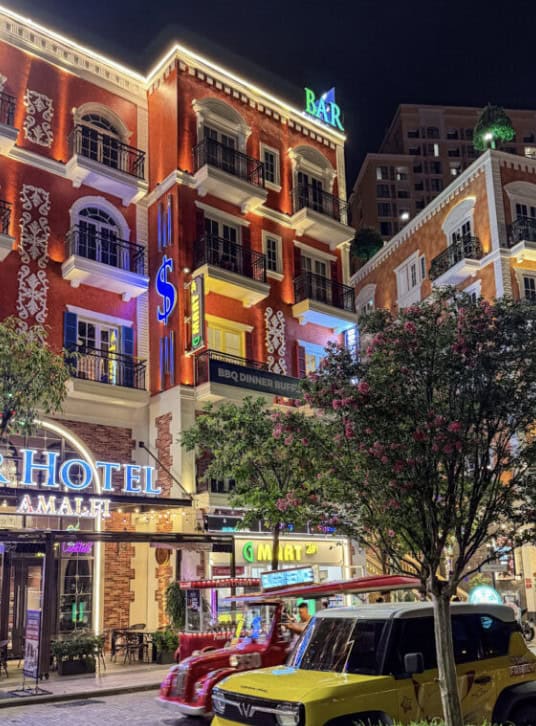
If you are staying in Ho Chi Minh City, Hanoi, Da Nang or another major destination, your hotel neighbourhood can itself be an interesting introduction to Vietnam.
8. Buy the Things You Actually Need
You do not need to go shopping immediately after arriving.
But if you forgot something important, Vietnam has plenty of convenience stores, pharmacies, supermarkets and shopping centres where you can find everyday essentials.
Common first-day purchases include:
- bottled water;
- toiletries;
- snacks;
- tissues;
- sunscreen;
- mosquito repellent;
- basic medication;
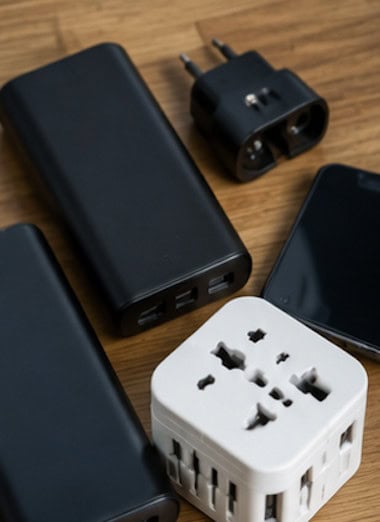
- phone accessories.
There is usually no reason to bring a huge supply of everyday items from home unless you specifically need a particular product.
9. Learn a Few Useful Vietnamese Words
You do not need to learn Vietnamese before your first day.
However, learning a few basic expressions can make everyday interactions easier.
- Xin chào — hello
- Cảm ơn — thank you
- Xin lỗi — sorry / excuse me
- Bao nhiêu? — how much?
- Không — no / not
- Được — okay / can do
Google Translate can also be extremely useful, especially when communicating with someone who does not speak English.
10. Get Used to Vietnamese Traffic
Your first walk through a busy Vietnamese city can be a little overwhelming.
There may be large numbers of motorbikes, cars, pedestrians and people moving in different directions.
Do not panic.
When crossing a busy road, move predictably and steadily rather than suddenly stopping or running into traffic.
Watch the vehicles around you and cross when there is a reasonable gap.
After a day or two, the traffic will probably feel much less intimidating.
11. Do You Need to Buy a Local Travel Card?
For most tourists, you do not need to buy a complicated transport card immediately after arriving.
In many cities, you can use Grab, taxis, buses or simply walk depending on where you are staying.
For longer journeys between Vietnamese cities, flights, trains and buses may be more appropriate.
Our Vietnam Transport Guide explains the main options for getting around the country.
12. Should You Book Tours on Your First Day?
You can, but you do not have to.
If you already know what you want to do, booking a tour in advance can make your trip easier.
For example, you might arrange a day trip, food tour, boat trip, or sightseeing experience for the following day.
You can also look into tours and activities once you know how you are feeling after the flight.
If you are exhausted, there is nothing wrong with waiting until the next morning.
13. What About Jet Lag?
Jet lag can affect your first day more than you expect.
If you have travelled across several time zones, try to adjust to local time rather than sleeping for the entire afternoon.
A short nap can help, but a very long daytime sleep may make it harder to sleep that night.
Get outside, drink water, eat a normal meal and try to stay awake until a reasonable local bedtime if you can.
Your first day does not have to be productive. The main objective is to get your body onto Vietnamese time.
14. What Should You Do If You Arrive in the Evening?
If your flight arrives in the evening, keep your first night simple.
Go to your hotel, check in, get something to eat and rest.
There is no reason to force yourself into a sightseeing schedule at 9 or 10 PM after a long international flight.
If you are staying in a major tourist destination, you can always explore the city the following morning.
Having your first hotel already booked is particularly useful for a late arrival. Keep the booking confirmation on your phone before your flight.
15. What Should You Do on Your First Full Day?
Once you have slept properly, your first full day is a much better time to start sightseeing.
A simple structure works well:
- have breakfast;
- visit one or two major attractions;
- stop for lunch;
- explore another area;
- take a break in the afternoon;
- have dinner;
- enjoy the evening at a comfortable pace.
Do not try to see everything in one day.
Vietnam is much more enjoyable when you leave enough time to stop for coffee, wander down side streets, eat local food and simply observe everyday life.
16. What Not to Do on Your First Day in Vietnam
There are a few things worth avoiding.
Do not exchange all your money at the airport
You only need enough for your immediate expenses. Compare your options before exchanging a large amount.
Do not book an unrealistic sightseeing schedule
Traffic, heat, queues and jet lag can all slow you down.
Do not accept random transportation offers
Use your arranged transfer, an established taxi service or a ride booked through an app.
Do not carry all your valuables in one place
Keep your passport, cards and cash organized and secure.
Do not worry about understanding everything immediately
Vietnam can feel unfamiliar on the first day. Most things become much easier after you have spent a few hours in the country.
Your First 24 Hours in Vietnam: Simple Plan
| Time | What to Do |
|---|---|
| Arrival | Immigration, baggage and customs |
| First hour outside | Internet, transport and some local cash |
| Next few hours | Hotel check-in and shower |
| Afternoon | Lunch, short walk and rest |
| Evening | Dinner and light exploration |
| Night | Sleep and recover |
| Next morning | Start your actual sightseeing itinerary |
The Best First-Day Strategy
Your first day in Vietnam should be about getting comfortable, not completing a checklist of attractions.
Get to your hotel, connect your phone, get some Vietnamese dong, eat something good and walk around your neighbourhood.
If you still have energy, add one attraction or activity.
If you are tired, go to sleep.
You have the rest of your trip to explore Vietnam.
Once you are settled, you can start planning your next days using our Vietnam for First-Timers Guide, destination guides and practical travel articles.
And when you are ready to book your next experience, our destination and transport guides cover tours, hotels and flights for each region.
Frequently Asked Questions
What should I do immediately after arriving in Vietnam?
Complete immigration and customs, leave the airport, get to your hotel, connect your phone and get some Vietnamese dong. After that, take some time to rest and adjust.
Should I go sightseeing on my first day in Vietnam?
You can, but you do not need to. If you have travelled a long distance, it is often better to keep the first day light and begin serious sightseeing after a good night’s sleep.
How much cash should I get when I arrive?
You only need enough for your immediate expenses. ATMs are available at major airports and throughout Vietnamese cities, so there is usually no reason to carry your entire travel budget in cash.
Should I buy a SIM card at the airport?
You can, but it is not your only option. Travellers with compatible phones can arrange an eSIM before travelling, while physical SIM cards are also available in Vietnam.
Is Grab useful on the first day?
Yes. Grab can be particularly convenient when travelling from your hotel to restaurants, attractions and other places during your first few days.
What should I eat on my first day in Vietnam?
Start with something you are comfortable eating. Pho, banh mi, rice dishes and noodle dishes are easy options, but Vietnam has an enormous variety of local food to explore once you settle in.
Should I exchange money at the airport?
You can exchange a small amount if necessary, but you do not need to exchange your entire travel budget immediately after landing. Compare exchange rates and consider using an ATM for your initial cash needs.
What if I am too tired to explore?
Go to your hotel and rest. There is no advantage to forcing yourself through a sightseeing itinerary while exhausted. Your first day is about adjusting to Vietnam and local time.
More from our travel guide network
Build your Vietnam route — free.