I walked past the high walls on Võ Thị Sáu Street a dozen times, never stopping to examine their purposes or origins. I studied the surface, noting how they framed the space, and I kept moving, paying little attention to what lay beyond them.
Subsequently, I realized what was behind them, and the moment changed how I perceived the street. The scene before me became Dòng Thánh Giuse Nha Trang, a quiet presence that defined the neighborhood and reminded me that what we overlook can shape our everyday experience.
No signs, no crowds, no steeple visible from the beach road. Just a heavy wooden gate and the faint sound of chanting drifting over the concrete.
This is Dòng Thánh Giuse. It is the Monastery of St. Joseph and belongs to the Society of the Divine Word. The SVD is a missionary order that has worked in Vietnam since the early 20th century.
It does not have a gift shop. It does not charge an entrance fee. What it has is a story of displacement and survival. A community has served Nha Trang from the same quiet compound for over 70 years.
If you’re checking flights to Nha Trang, consider a different detour.
Additionally, this place offers history that feels heavy and real.
This combination makes it worth the detour.
🚶 Why a Monastery Exists on a Quiet Street in Southern Nha Trang
The year is 1954. The Geneva Accords have just divided Vietnam, and hundreds of thousands of people are moving — some by choice, most by necessity. Among them are entire Catholic communities from the North, carrying statues, vestments, and very little else. Many of these families end up in Nha Trang, a coastal city that suddenly finds itself home to a wave of refugees who have lost everything.
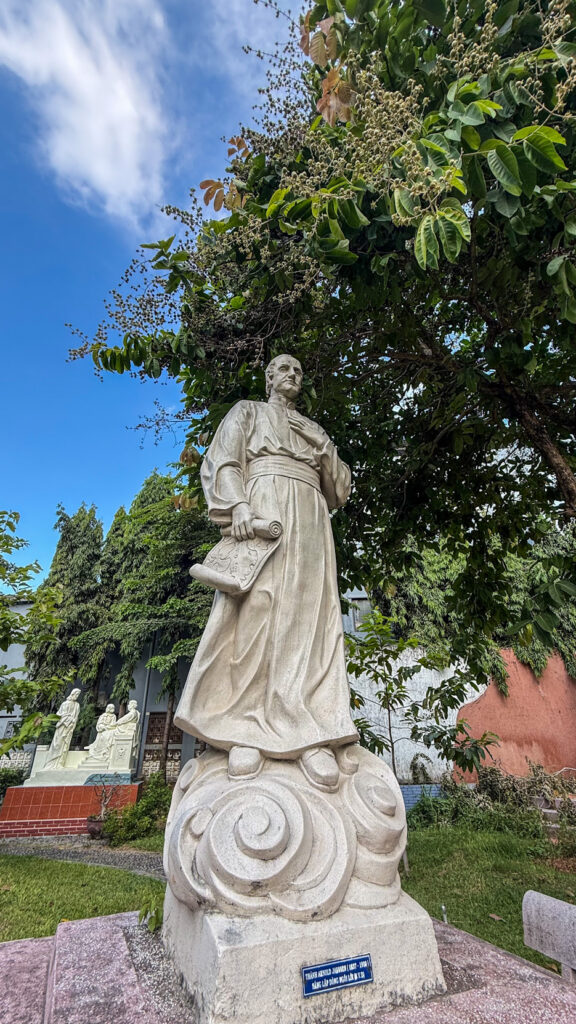
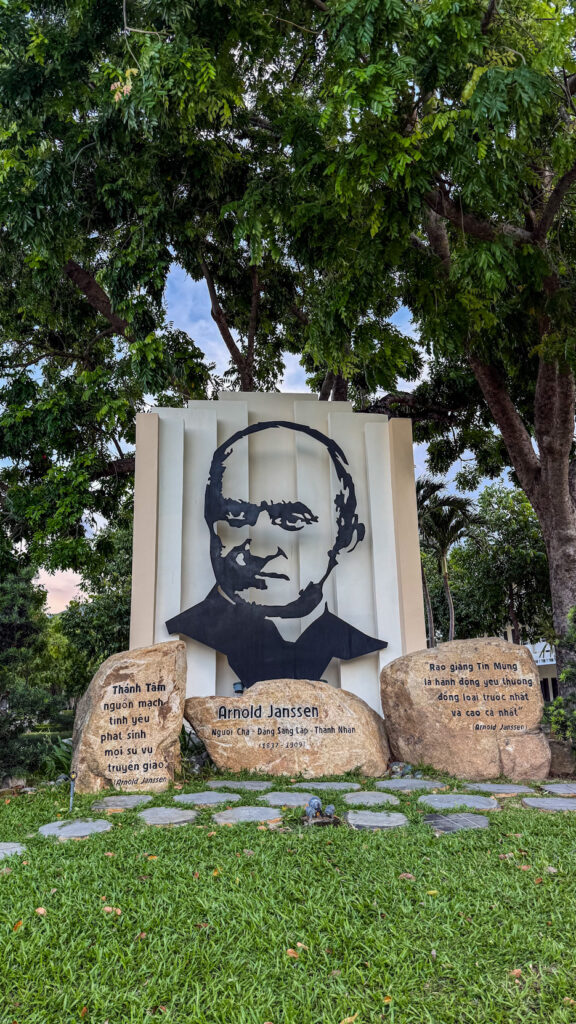
The Society of the Divine Word — known as the SVD — had already established a presence in Vietnam decades earlier. Founded in 1875 in the Netherlands by St. Arnold Janssen, the SVD is one of the largest missionary congregations in the world, with a specific focus on bringing education, healthcare, and pastoral care to places that lack them. They arrived in Vietnam in 1902, building churches, schools, and clinics, and by the mid-20th century they were well established in the central region.
But 1954 changed everything. The influx of displaced Catholics required the order to reorganize. Their headquarters at the time were in Quy Nhon, a smaller city further up the coast.
The leadership made a strategic decision. Consequently, they would move the entire provincial headquarters to Nha Trang, where the need was greatest. In 1955, they built this monastery. Not as a retreat for monks seeking solitude, but as a working base.
It became a command center for charity, education, and spiritual support. It served a swelling population of refugees along the coast. The walls went up to help a community rebuild.
🏛️ What Stands Behind the Gate Today
Push open that wooden gate. The noise of Võ Thị Sáu Street quiets. Scooters, horns, and the sizzle of street-food stalls fade away.
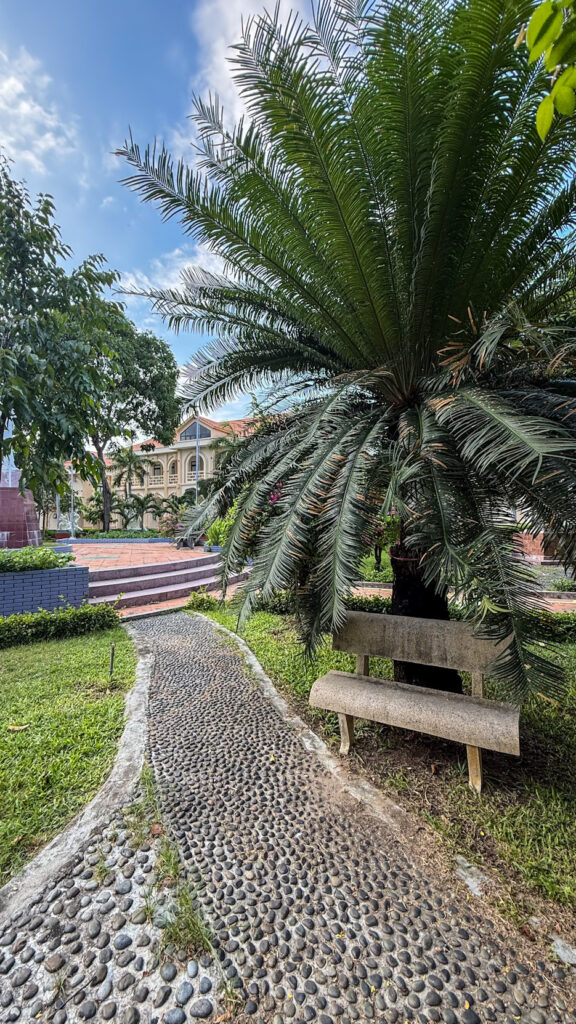
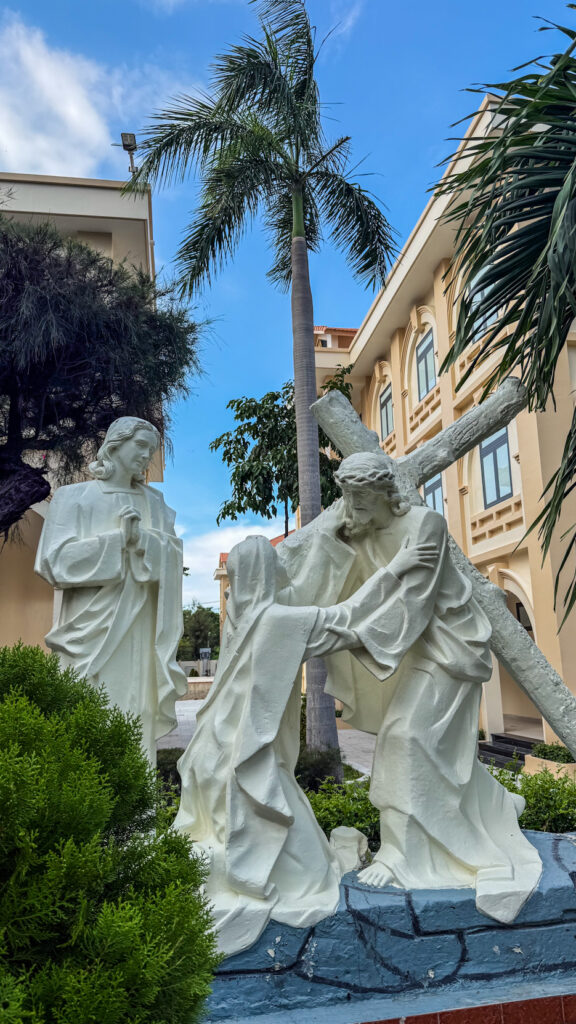
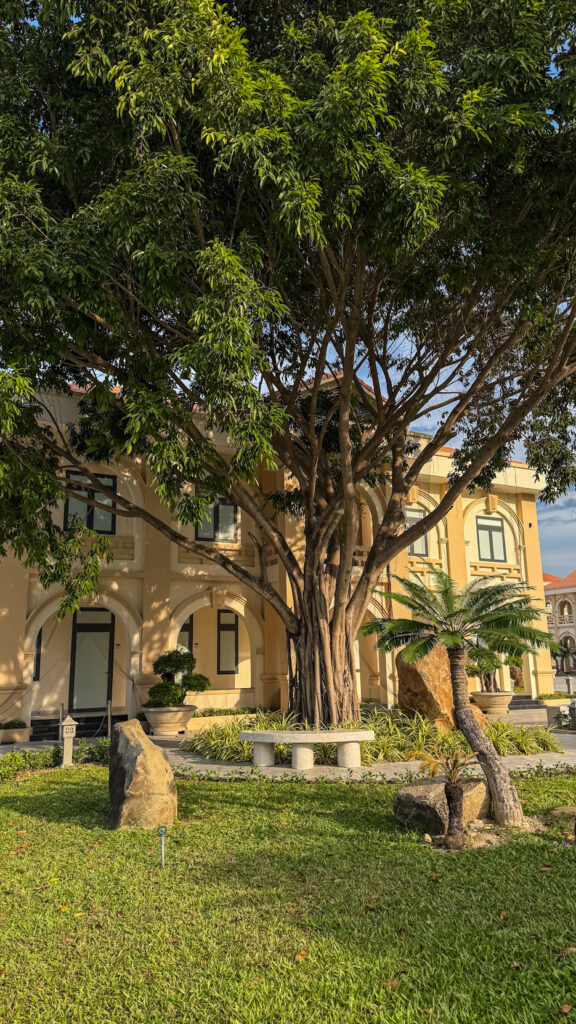
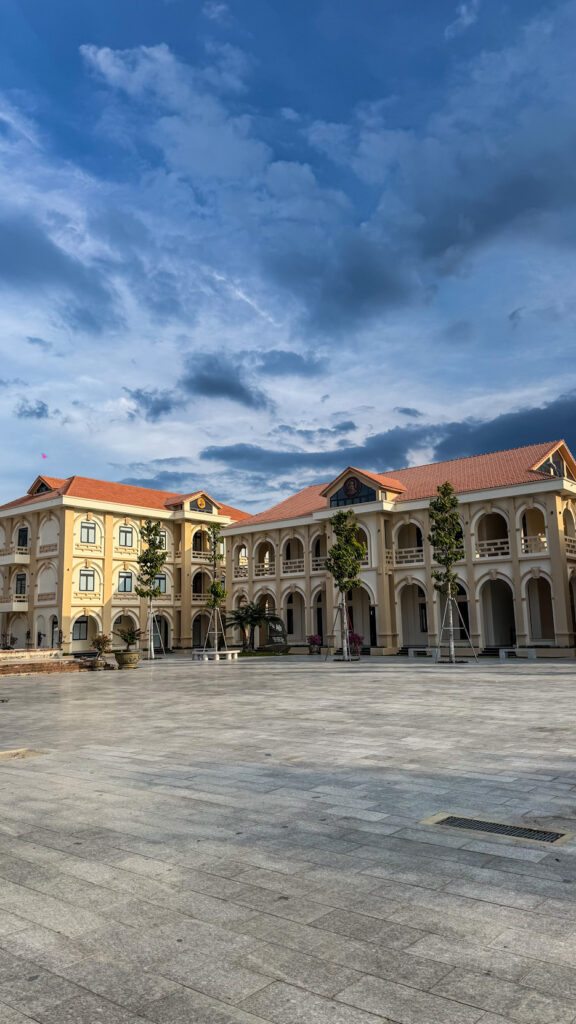
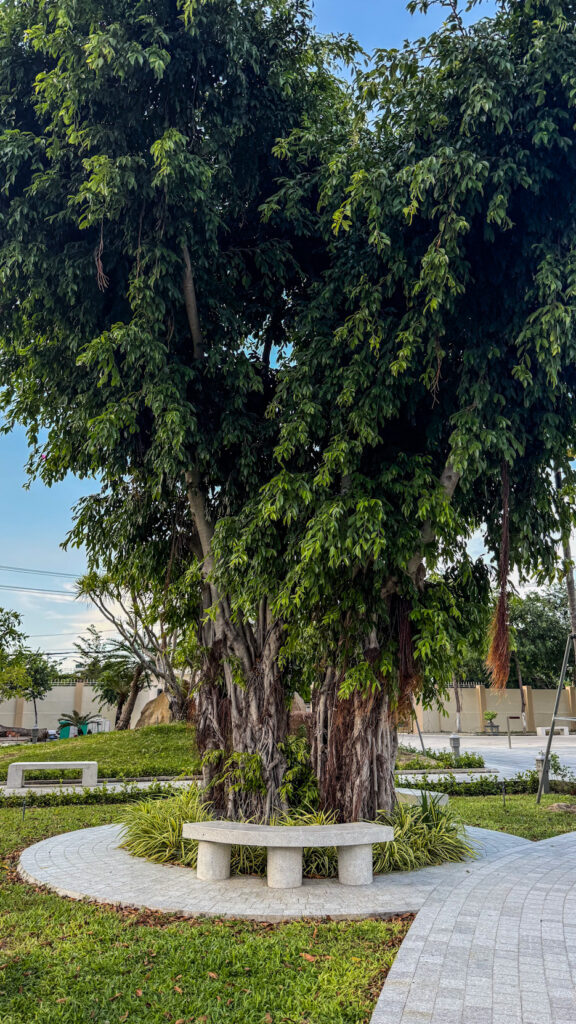
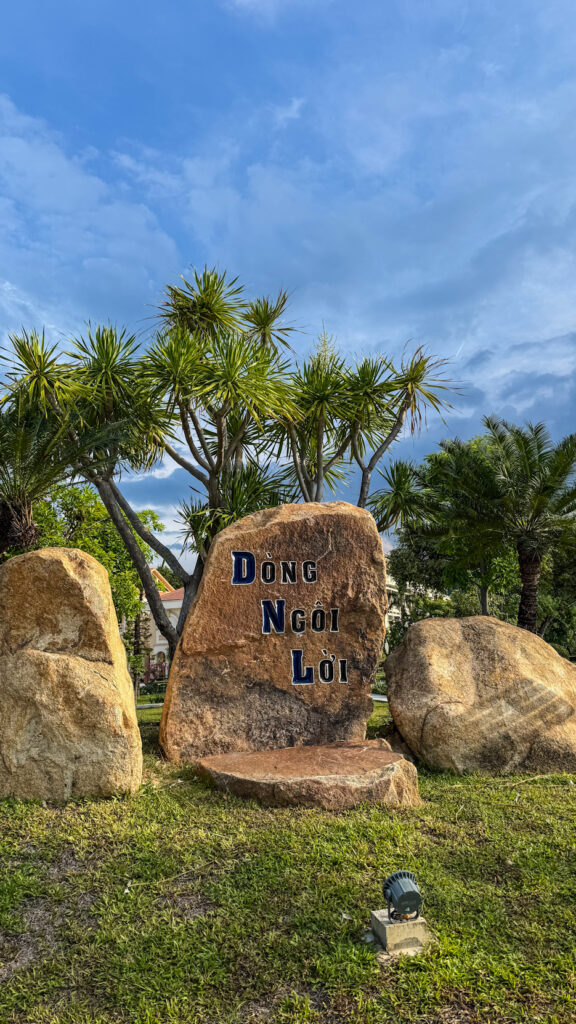
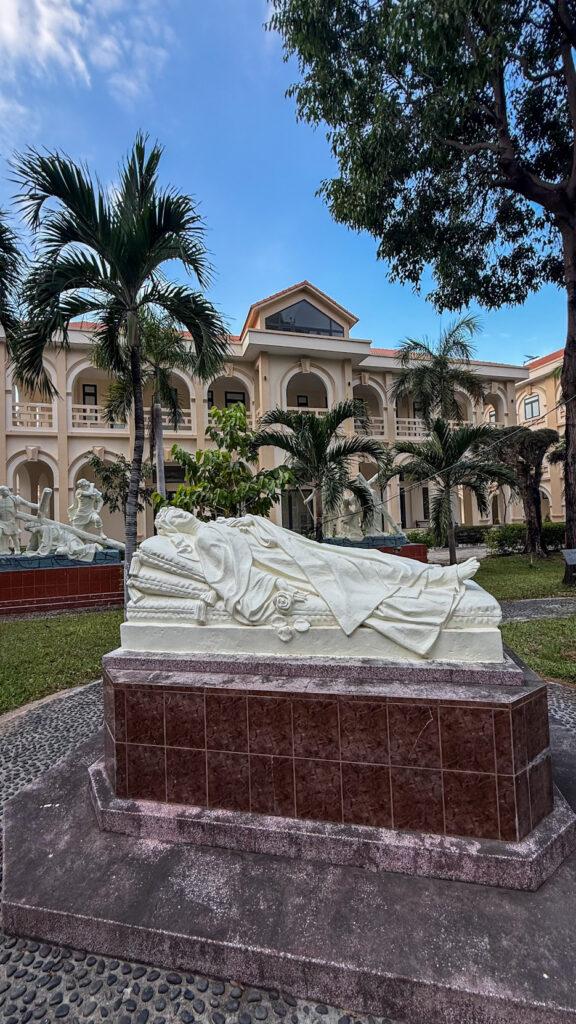
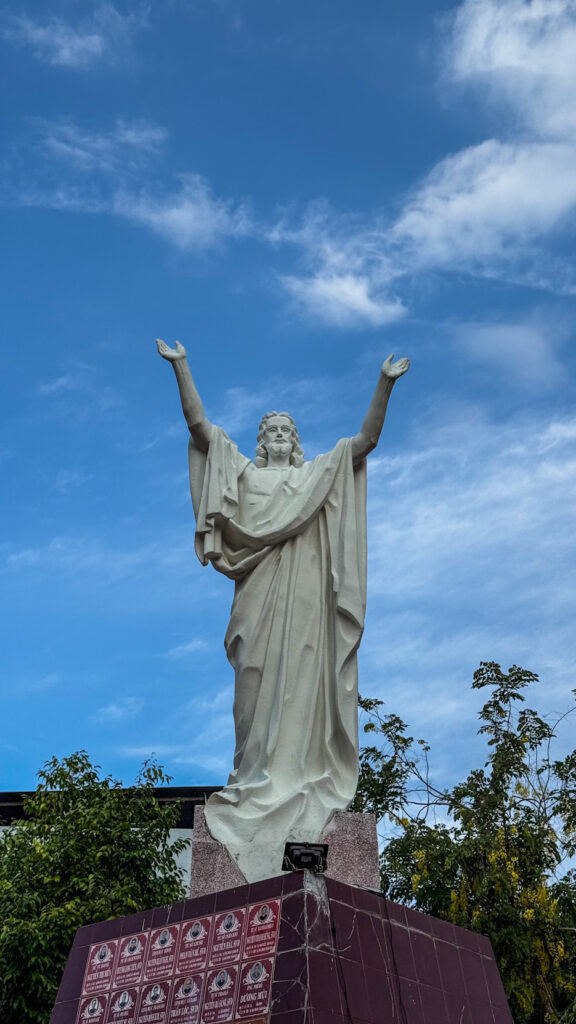
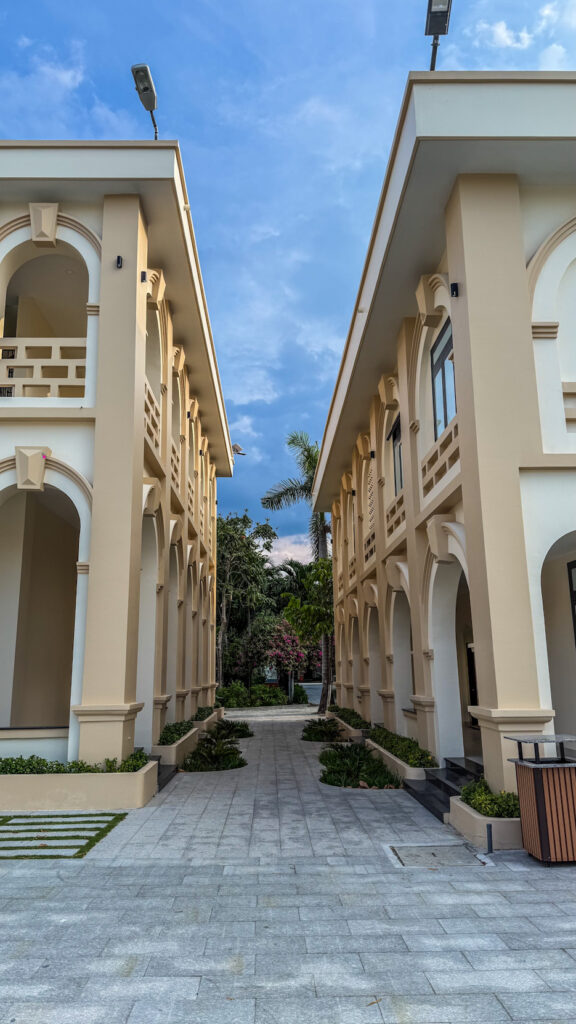
The compound opens into a wide courtyard shaded by old trees. The buildings are modest and two stories high. They have clean lines, whitewashed walls, and dark wooden shutters that frame the windows. This setting evokes Dòng Thánh Giuse Nha Trang.
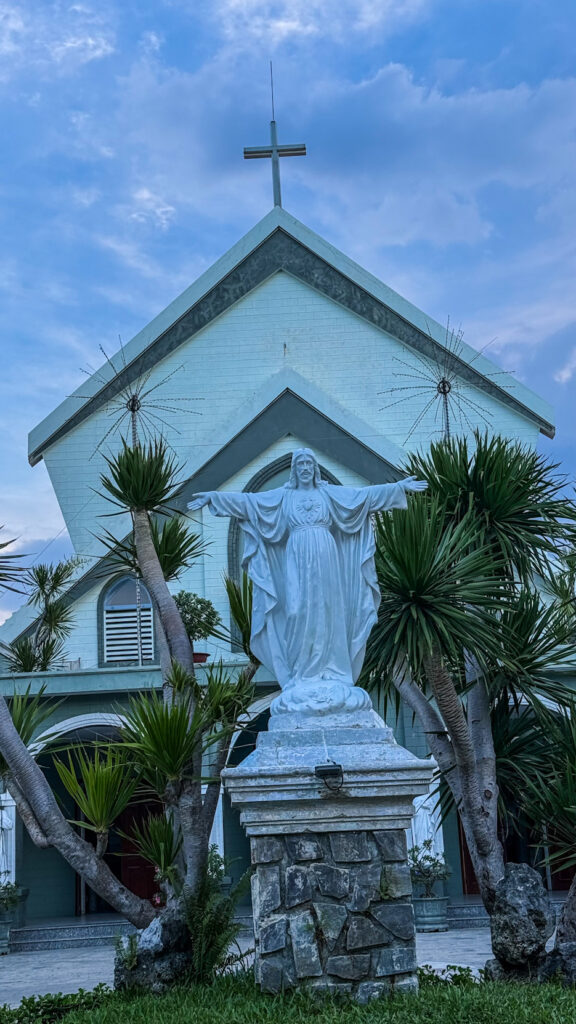
At the center of the compound is a small chapel. Its interior is simple: wooden pews and a plain altar. A single stained-glass window casts colored light onto the stone floor. The air inside is cool and still, scented faintly with incense and old wood. On a quiet afternoon, you might hear prayer from a side room.
However, the SVD brothers who live here run educational programs. They conduct social outreach and vocational training for young seminarians. The library is small but well-stocked, and Dòng Thánh Giuse Nha Trang appears in the catalogs. It holds theological texts in Vietnamese, English, and German, reminding visitors of the order’s international roots 📚.
🙏 A Living Community, Not a Tourist Attraction
What makes Dòng Thánh Giuse genuinely special is that it has never stopped being what it was built to be. For over 70 years, this compound has functioned as the administrative and spiritual heart of the SVD in the region. The brothers who live here come from different countries — some Vietnamese, some from the Philippines, Germany, or Indonesia — reflecting the global nature of the order. They run charity projects, visit families in need, and train the next generation of missionaries.
If you visit, you are not a “customer.” You are a guest on someone else’s spiritual ground. There is no ticket counter, no audio guide, no designated photo spots. The brothers are warm and welcoming, but this is their home and their workplace. Dress modestly — covered shoulders and knees — and keep your voice low. If you are lucky, one of the older brothers might share a story: about the early days after the move from Quy Nhon, about the families they helped resettle, about the slow, patient work of building a community from scratch. These are not stories you will find in guidebooks. They are living memories, and they are the real treasure of this place. 💬
📍 Practical Info
📍 Address: 38 Võ Thị Sáu, Phước Long, Nha Trang
📞 Phone: 0258 388 1100
🕒 Best time to visit: Early morning (before 10 AM) or late afternoon — the light is soft, the courtyard is cool, and you are more likely to find the chapel open.
👗 Dress code: Shoulders and knees covered. This is an active religious community, not a sightseeing stop.
🚕 Getting there: A short Grab ride from the city center, about 10 minutes from the main beach strip.
The monastery sits on a quieter stretch of Võ Thị Sáu, not far from some of the city’s best local seafood stalls. After your visit, you can walk a few minutes toward the coast and find a cold coconut and a plate of grilled squid for a fraction of beachfront prices. If you’re looking for a comfortable base nearby, my Top 10 Best Hotels in Nha Trang guide can help — staying central puts you within easy reach of both the monastery and the beach.
🔗 What to Pair It With
The story of Dòng Thánh Giuse Nha Trang is tied to the 1954 refugee migration, and it pairs naturally with my Khiết Tâm Church guide, built by the same displaced families. That parish is a 15-minute drive north, founded by Catholic migrants from the North in 1956, with its own dramatic story of destruction and rebirth. Visiting both in a single morning offers a human-scale view of how the war shaped Nha Trang in lasting ways.
For a different quiet, my most peaceful pagoda in Nha Trang guide offers Buddhist stillness and a 100-year-old Bodhi tree. And if you’re mapping a day of spiritual architecture, my Stone Church on Thái Nguyên guide covers a Gothic landmark that towers over the city — the complete architectural opposite of this humble monastery.
💎 Verdict: Come for the Silence, Stay for the Story
Dòng Thánh Giuse does not ask for your attention. It does not have a viewpoint, a bell tower, or a cafe.
What it has is a story of resilience. It tells of a community that fled war, rebuilt from nothing, and serves Nha Trang seven decades later.
Come here when you need a break from the beach. Additionally, walk slowly through the courtyard, and let the weight of the place settle on you. You will leave calmer than you arrived.
Frequently Asked Questions
What is Dòng Thánh Giuse?
The Monastery of St. Joseph, belonging to the Society of the Divine Word (SVD), a missionary order that has served Nha Trang from the same compound for over 70 years.
When was the monastery built?
In 1955, after the SVD moved its provincial headquarters from Quy Nhon to Nha Trang.
When did the SVD arrive in Vietnam?
In 1902, though the order itself was founded in 1875 in the Netherlands by St. Arnold Janssen.
Why was the monastery built in Nha Trang specifically?
After the 1954 Geneva Accords, waves of displaced Catholics from the North settled in Nha Trang, and the SVD relocated its headquarters there to meet the need.
Is there an entrance fee?
No, it’s free — there’s no gift shop or entrance fee.
Disclosure: This article contains affiliate links. If you book through them, I may earn a small commission at no extra cost to you. I only recommend places I have personally visited and trust.
More from our travel guide network
Build your Vietnam route — free.