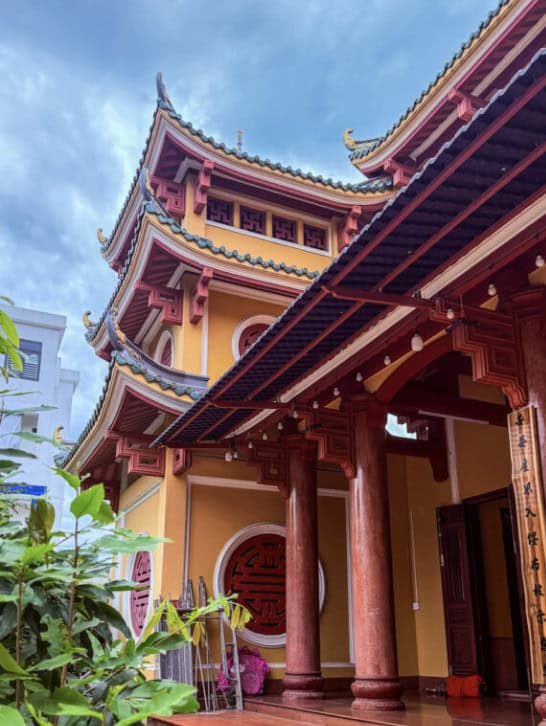
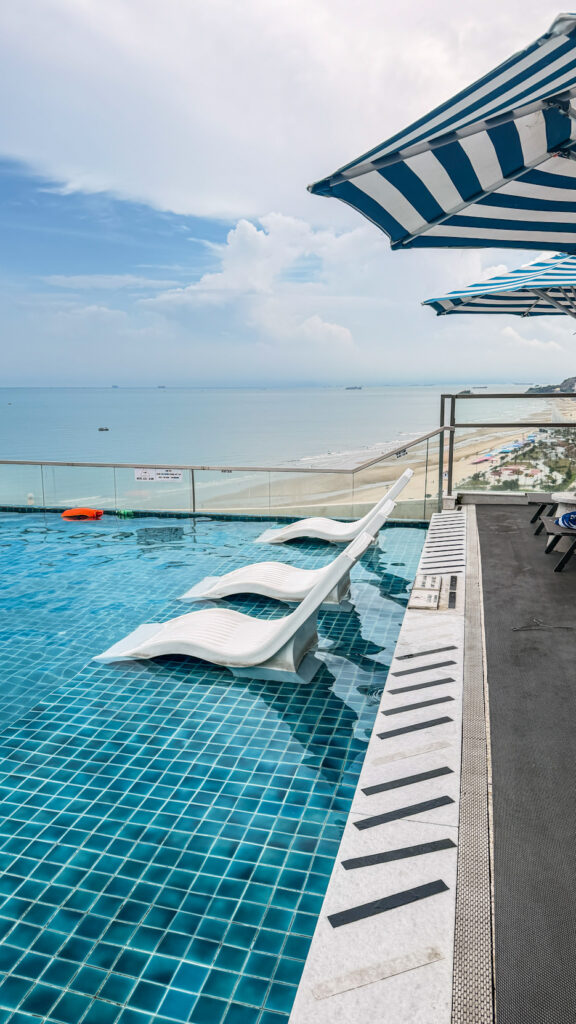
Quick answer: North Vietnam is ideal for history, mountains, and four seasons. It is the cultural heart with Hanoi’s Old Quarter, Ha Long Bay, Sapa, and a cooler climate. South Vietnam offers energy, beaches, and year-round warmth. It is the economic engine with Ho Chi Minh City’s pace, the Mekong Delta markets, and Phu Quoc resorts. The North vs South Vietnam contrast guides travelers seeking tradition and modernity. If you have time, travel north to south. The country is 1,650 km long, and the halves feel different.
Vietnam’s north and south are two distinct worlds, divided by weather, culture, food, and pace. This comparison breaks down the key differences — climate, attractions, food, cost, and practicalities — so you can decide which region is right for your trip.
🗺️ Overview: Two Regions, Two Worlds
| Feature | North Vietnam | South Vietnam |
|---|---|---|
| Vibe | Traditional, historic, scenic | Modern, energetic, fast-paced |
| Climate | Four seasons (10–35°C) | Tropical, hot year-round (25–35°C) |
| Best for | History, mountains, rice terraces, trekking | Beaches, nightlife, Mekong Delta, islands |
| Budget | Slightly cheaper ($50–70/day mid-range) | Slightly more expensive ($55–80/day mid-range) |
| Average stay | 5–7 days | 4–6 days |
| Best time to visit | March–April, September–November | December–April (dry season) |
Check hotel prices in Hanoi and hotel prices in Ho Chi Minh City to compare real-time rates.
☀️ Climate: Four Seasons vs Tropical Heat
North vs South Vietnam has four distinct seasons. Additionally, winters (December–February) are cold (10–15°C) and gray in Hanoi. There are freezing temperatures in Sapa. Spring (March–April) is mild and pleasant (18–25°C). Summer (May–August) is hot (30–35°C) and humid with heavy rain. Autumn (September–November) is the best season — cool, clear, and golden.
South Vietnam is hot year-round, with temperatures staying between 25–35°C. There are two seasons: dry (December–April) and wet (May–November), and rain is heavy but usually brief.
The climate differs from the North vs South Vietnam.
Winner: If you prefer cooler weather and seasonal changes, choose the north. If you want predictable heat and no cold weather, choose the south.
🏛️ Attractions: History & Nature vs Modernity & Beaches
North Vietnam is the heart of Vietnamese history and nature. Key destinations:
- Hanoi — the 1,000-year-old capital with the Old Quarter, Temple of Literature, and Hoan Kiem Lake
- Ha Long Bay — the world-famous limestone karsts and emerald water
- Sapa — terraced rice fields and ethnic minority villages
- Hue — the imperial citadel and royal tombs
- Hoi An — the lantern-lit trading port (technically central but culturally northern)
South Vietnam is the modern, energetic, and beachy side. Key destinations:
- Ho Chi Minh City — Vietnam’s biggest city with rooftop bars, nightlife, and the War Remnants Museum
- Phu Quoc — the island paradise with Hon Thom cable car and Sunset Town
- Nha Trang — the beach city with island-hopping and VinWonders
- Mekong Delta — the river network with floating markets and sampan boats
Winner: If you want history, mountains, and cooler weather, choose the north. If you want beaches, nightlife, and modern attractions, choose the south.
🍜 Food: Northern vs Southern Cuisine
Northern cuisine is lighter, more balanced, and influenced by Chinese cooking. It uses fewer spices and less sugar than southern food. Signature dishes include phở (clear broth, flat noodles), bún chả (grilled pork with vermicelli), chả cá (turmeric fish with dill), and egg coffee.
Southern cuisine is bolder, sweeter, and influenced by Cambodian, Chinese, and French cooking. Signature dishes include bánh mì (baguette sandwiches), cơm tấm (broken rice with pork), hủ tiếu (noodle soup with seafood), and cà phê sữa đá (iced coffee with condensed milk).
For more food recommendations, read my Vietnamese food guide and Vietnam food safety guide.
Winner: Both are excellent. Choose the north for lighter, more refined flavors; choose the south for bolder, sweeter, and more varied street food.
💰 Budget: North vs South
North Vietnam is slightly cheaper than the south. A mid-range daily budget in the north is $50–70 USD; in the south, it’s $55–80 USD. Hanoi is cheaper than Ho Chi Minh City, and Sapa is cheaper than Phu Quoc. The difference is small — about 10–15%.
Winner: The north, for slightly better value.
🚗 Getting Around: North vs South
Both regions are well-connected. Noi Bai Airport (Hanoi) serves the north, with domestic and international flights. Tan Son Nhat Airport (Ho Chi Minh City) serves the south — it’s Vietnam’s busiest airport.
The Reunification Express train connects the two regions — it’s a scenic 30-hour journey from Hanoi to Ho Chi Minh City. For a full guide, read Vietnam train guide.
Flights are the fastest way to travel between north and south — Hanoi to Ho Chi Minh City is a 2-hour flight. Read Vietnam domestic flights guide.
📌 Quick Comparison: Which Region Is Right for You?
Choose North Vietnam if:
- You want to experience Vietnam’s history and culture
- You prefer cooler weather and four seasons
- You want to see mountains, rice terraces, and limestone karsts
- You want to try northern cuisine (phở, bún chả, egg coffee)
- You’re planning a trip to Sapa, Ha Long Bay, or Hanoi
- You want a slower, more traditional travel experience
Choose South Vietnam if:
- You want to experience Vietnam’s modern, fast-paced energy
- You prefer hot, predictable weather (dry season from December to April)
- You want beaches, islands, and water activities
- You want to try southern cuisine (bánh mì, cơm tấm, cà phê sữa đá)
- You’re planning a trip to Phu Quoc, Nha Trang, or the Mekong Delta
- You want a more international, cosmopolitan experience
💎 Final Verdict
Vietnam is 1,650 km long, and the north and south feel like different countries. The north is for history, mountains, and cooler weather; the south is for beaches, nightlife, and year-round warmth. Many travelers visit both — the train journey is a classic experience, and flights are cheap. If you have 2 weeks, you can easily combine both. If you have to choose one: North for tradition and scenery, South for modernity and beach life.
For more comparisons, check out my Hanoi vs Ho Chi Minh City and Da Nang vs Hoi An guides.
🏨 Where to Stay & What to Pair It With
Once you’ve chosen your region, book your accommodation. Check hotels in Hanoi for the north or hotels in Ho Chi Minh City for the south. For more detailed options, see my guides to the best hotels in Hanoi and best hotels in Saigon.
Frequently Asked Questions
Is North Vietnam or South Vietnam better for a first trip?
It depends on what you want. The north (Hanoi, Ha Long Bay, Sapa) suits travelers after history, mountains, and cooler weather, while the south (Ho Chi Minh City, Phu Quoc, Nha Trang, the Mekong Delta) suits those after beaches, nightlife, and year-round warmth. With two weeks or more, many travelers combine both in one trip.
What’s the weather difference between North and South Vietnam?
North Vietnam has four distinct seasons, ranging from a cold, gray winter (10-15°C, colder in Sapa) to a hot, humid summer (30-35°C). South Vietnam stays hot year-round (25-35°C) with just two seasons: dry (December-April) and wet (May-November).
Is North or South Vietnam cheaper to visit?
North Vietnam is slightly cheaper — a mid-range daily budget runs about $50-70 USD versus $55-80 USD in the south. The difference is small, around 10-15%, with Hanoi cheaper than Ho Chi Minh City and Sapa cheaper than Phu Quoc.
How do I travel between North and South Vietnam?
The fastest way is flying — Hanoi to Ho Chi Minh City takes about 2 hours. For a scenic alternative, the Reunification Express train covers the same route in roughly 30 hours.
What food should I try in North vs South Vietnam?
Northern cuisine is lighter and less sweet, with dishes like phở, bún chả, chả cá, and egg coffee. Southern cuisine is bolder and sweeter, with dishes like bánh mì, cơm tấm, hủ tiếu, and cà phê sữa đá (iced coffee with condensed milk).
Planning a wider Southeast Asia trip?
Cambodia With Me — practical Cambodia travel guides
Siam With Me — Thailand travel guides
Indonesia With Me — Indonesia travel guides
Singapore With Me — Singapore travel guides
Build your Vietnam route — free.