Quick answer: The Temple of Literature Hanoi is one of Hanoi’s most important historical and cultural attractions.
Founded in 1070, it later became home to the Imperial Academy.
Vietnam’s historic centre of higher learning remains a key part of its heritage.
Today, visitors can walk through its courtyards.
They can see the Khue Van Pavilion and doctoral stelae.
Then they can explore one of Hanoi’s most peaceful historic sites in central Hanoi.
The complex is easy to visit in a couple of hours.
It fits well into a sightseeing day that includes the Temple of Literature Hanoi.
It can also pair with the Ho Chi Minh complex, museums, or the Old Quarter.
What Is the Temple of Literature?
The Temple of Literature, known in Vietnamese as Van Mieu – Quoc Tu Giam, is a historic complex dedicated to Confucius and the tradition of education in Vietnam.
It was founded in 1070 during the Ly dynasty. In 1076, the Imperial Academy was established within the complex, becoming an important centre for the education of scholars and members of the Vietnamese elite.
The site continued to play an important role in Vietnamese education for centuries. Today, it is preserved as a major historical monument and one of Hanoi’s best-known cultural attractions.
What makes the Temple of Literature particularly interesting is that it is not just a temple. The complex tells the story of Vietnam’s traditional educational system through its architecture, gardens, stone stelae and ceremonial spaces.
Where Is the Temple of Literature in Hanoi?
The Temple of Literature is at 58 Quoc Tu Giam Street, in the Van Mieu area of Hanoi.
It is located west of the Old Quarter and not far from several other important historical and cultural attractions.
The complex has an entrance on Quoc Tu Giam Street and exits toward Van Mieu Street and the Giam Garden area. If you are using a map or Grab, make sure you are going to the main visitor entrance rather than simply selecting a point somewhere around the surrounding streets.
The location makes it easy to combine the Temple of Literature with other Hanoi attractions in the same part of the city.
Temple of Literature Opening Hours
The Temple of Literature is generally open daily during daytime hours.
The official visitor information should be checked before your visit because opening times and special-event arrangements can change.
The complex also has an evening experience on selected days, separate from the normal daytime visit.
If you want to see the site in its normal historical setting, a daytime visit is the simplest option. If you are interested in the evening program, check the current schedule and ticket arrangements before going.
How Much Is the Temple of Literature?
The Temple of Literature requires an entrance ticket.
The current standard adult admission is 70,000 VND, with reduced prices available for eligible visitors. Children under the relevant age limit may enter free depending on the current ticket regulations.
Because admission prices can change, check the current official visitor information when planning your trip.
The ticket gives you access to the historic complex and its main courtyards and monuments.
How Long Do You Need at the Temple of Literature?
Allow around 1 to 1.5 hours for a normal visit.
If you are interested in Vietnamese history, architecture and photography, two hours gives you more time to explore the courtyards without rushing.
The complex is not enormous, but there are several separate areas worth seeing, and it is much better experienced at a relaxed pace than by simply walking through the main gate, taking a photograph of Khue Van Pavilion and leaving.
What to See at the Temple of Literature
The complex is organized into a sequence of courtyards and ceremonial areas. Each section has a different character, so it is worth walking through the site in order.
Van Lake
The area around Van Lake forms part of the entrance environment of the complex.
It provides an immediate contrast with the traffic and dense streets outside. Once you enter the site, the atmosphere becomes noticeably calmer.
The Great Portico
The entrance gates introduce the traditional architectural style of the complex.
Look beyond the main gate as you continue through the site. The Temple of Literature is designed around a sequence of spaces rather than one single monument.
Dai Trung Gate
Dai Trung Gate leads into one of the main inner areas of the complex.
The traditional gates, courtyards and landscaped gardens are a major part of the attraction. This is one of the places where you can appreciate how the site was designed as a ceremonial and educational complex rather than simply a religious building.
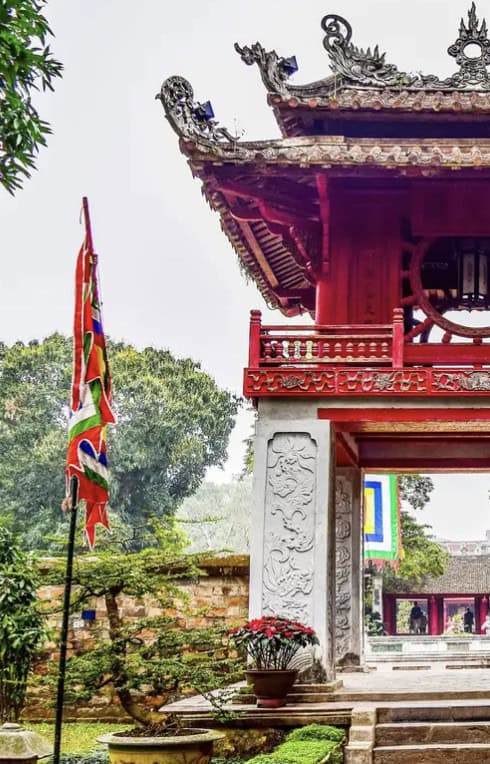
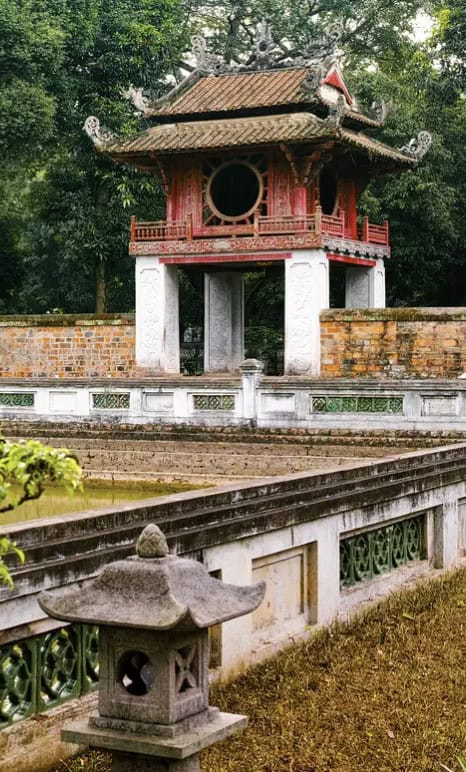
Khue Van Pavilion
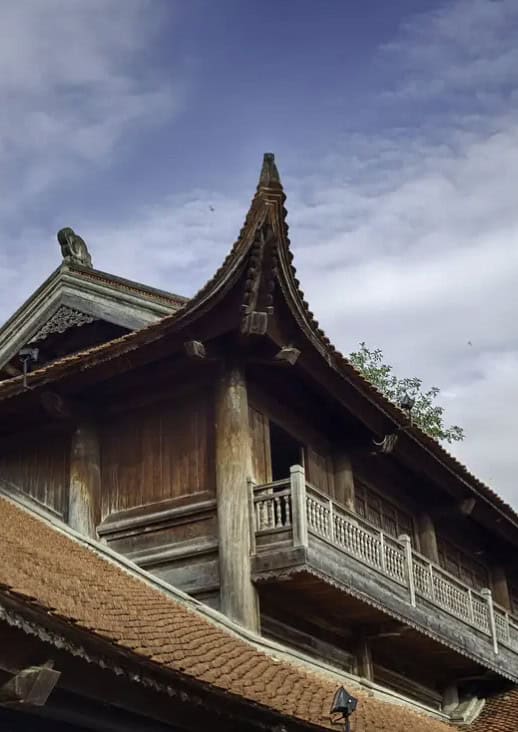
Khue Van Pavilion is probably the most recognizable structure at the Temple of Literature.
The elegant pavilion dates from the early nineteenth century and has become one of the visual symbols of Hanoi.
Its distinctive wooden upper structure and red pillars make it one of the most photographed locations inside the complex.
Take some time here rather than immediately moving on. The pavilion looks particularly good from the surrounding courtyard, where you can see how it fits into the overall architectural layout.
The Doctoral Stelae
The Temple of Literature’s 82 doctoral stelae are among its most important historical objects.
The stone stelae record the names and achievements of scholars who passed royal examinations during different periods of Vietnamese history.
They stand on the backs of stone turtles, which have become one of the most recognizable features of the complex.
The stelae are not simply decorative monuments. They represent the importance placed on education, academic achievement and scholarship in traditional Vietnamese society.
Do not touch, climb on or sit on the stelae or turtles. They are protected historical objects.
Thien Quang Well
Thien Quang Well sits within the area containing the doctoral stelae.
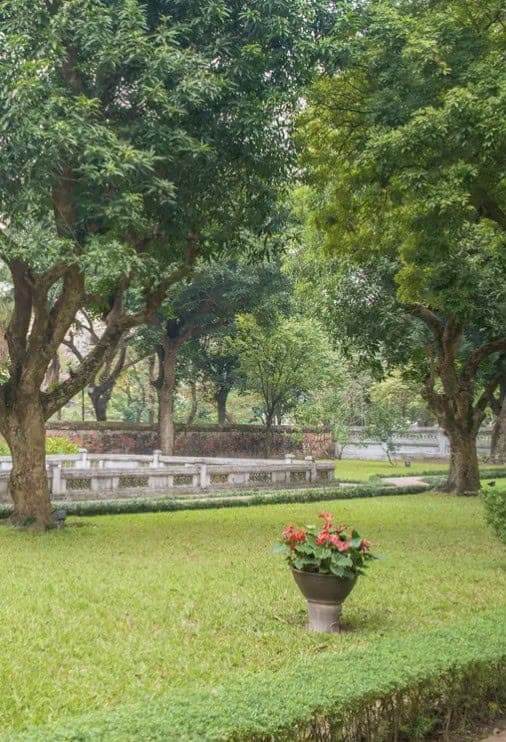
The surrounding architecture and gardens make this one of the most attractive parts of the complex for photography.
The combination of water, trees, traditional buildings and stone monuments gives this courtyard a very different atmosphere from the busy streets outside.
Dai Thanh Gate and Dai Thanh Hall
Further inside the complex you reach the main ceremonial area associated with the Temple of Literature.
Dai Thanh Hall is dedicated to Confucius and forms the religious heart of the site.
This area is more solemn than the earlier courtyards, so visitors should keep their voices low and behave respectfully.
Thai Hoc House
The final major area is associated with the Imperial Academy and the educational history of the complex.
Thai Hoc House helps visitors understand that the Temple of Literature was not simply a place of worship. Education and scholarship were central to the site’s historical importance.
The complex also includes a drum tower, bell tower and garden areas.
Why Is the Temple of Literature Important?
The importance of the Temple of Literature comes from its connection with education and scholarship in Vietnam.
For centuries, success in the Confucian examination system could determine a person’s social and political future. Scholars who passed the examinations could become mandarins and serve the state.
The Temple of Literature and Imperial Academy therefore represent an important part of Vietnam’s traditional intellectual history.
Even today, the site remains strongly associated with education. Vietnamese students and their families often visit around important examinations and academic milestones.
Why Do Vietnamese Students Visit the Temple of Literature?
You may notice students visiting the complex, particularly around examination periods.
The Temple of Literature has become associated with academic success and good luck.
Some students come to pay their respects and seek good fortune before important exams. This modern tradition reflects the site’s much older connection with education and scholarship.
For visitors, it is an interesting example of how a historical site continues to have a role in contemporary Vietnamese culture.
Temple of Literature Dress Code
You should dress respectfully when visiting the Temple of Literature.
This is particularly important around the shrine and ceremonial areas.
- Avoid very short clothing.
- Cover your shoulders in the more sacred areas.
- Wear comfortable but respectful clothing.
- Remove hats when required inside ceremonial spaces.
- Keep noise to a minimum around the shrines.
You do not need to dress formally. Normal modest travel clothing is sufficient.
Rules for Visiting the Temple of Literature
The complex is a protected heritage site, so visitors are expected to treat the buildings and objects with care.
- Do not touch or damage historical objects.
- Do not climb on the doctoral stelae or stone turtles.
- Do not step on lawns or pick flowers.
- Do not smoke inside the complex.
- Keep quiet in sacred areas.
- Follow staff instructions.
- Do not leave rubbish behind.
The site has the right to stop visitors from continuing their visit if they seriously violate the regulations.
Best Time to Visit the Temple of Literature
The Temple of Literature is much more enjoyable when it is not crowded.
Early morning is a good option, especially if you want to take photographs without large groups of visitors in the courtyards.
Late afternoon can also work well, although you should leave enough time to explore before closing.
Weekdays are generally preferable if you want a quieter experience.
Avoid rushing through the site in the middle of the day if Hanoi is particularly hot. The complex has trees and shaded areas, but you will still spend time walking outdoors.
How to Get to the Temple of Literature
The easiest option for most visitors is Grab or taxi.
If you are staying around the Old Quarter, the Temple of Literature is close enough to combine with several other central Hanoi attractions, although walking there in Hanoi’s heat may not be comfortable for everyone.
Public buses also serve the area, with several routes stopping near the complex.
If you are using a motorbike, parking is available around the site, but traffic in central Hanoi can make a Grab ride simpler for visitors unfamiliar with the city.
What to See Near the Temple of Literature
The Temple of Literature is particularly useful as part of a larger cultural sightseeing route.
Vietnam National Fine Arts Museum
The Vietnam National Fine Arts Museum is close to the Temple of Literature and is an obvious addition if you are interested in Vietnamese art and culture.
This combination works particularly well on a hot or rainy day because you can alternate outdoor sightseeing with time inside a museum.
Ho Chi Minh Mausoleum
The Ho Chi Minh complex is another major historical attraction in Hanoi and can be combined with the Temple of Literature if you are planning a cultural day.
Our Ho Chi Minh Mausoleum guide covers the opening arrangements, dress code and visitor rules.
Hanoi Train Street
Train Street is another popular Hanoi attraction, although it is located in a different part of the city.
If you want to combine both attractions on the same day, our Hanoi Train Street guide explains how to visit and what to know about access and safety.
Thang Long Water Puppet Theatre
If you are planning an evening activity after your sightseeing, the Thang Long Water Puppet Theatre beside Hoan Kiem Lake is another easy cultural experience to add to your Hanoi itinerary.
How to Combine the Temple of Literature With Other Attractions
A good cultural day could start at the Ho Chi Minh complex, continue to the Temple of Literature and then move toward the central city.
Another option is to visit the Temple of Literature in the morning, explore nearby museums during the afternoon and finish the day around Hoan Kiem Lake and the Old Quarter.
If you prefer a more relaxed itinerary, do not try to visit every attraction in one day. The Temple of Literature is better enjoyed when you have enough time to walk through the courtyards without rushing.
Is the Temple of Literature Worth Visiting?
Yes, especially if this is your first trip to Hanoi.
The Temple of Literature offers something different from the Old Quarter, Hoan Kiem Lake and Hanoi’s more modern attractions.
You get traditional architecture, gardens, historical monuments and an insight into the importance of education in Vietnamese society.
The complex is also relatively easy to visit and does not require an entire day, making it one of the most useful cultural stops to add to a Hanoi itinerary.
Temple of Literature Hanoi: Quick Tips
- Allow about 1–1.5 hours for a normal visit.
- Arrive earlier in the day if you want fewer crowds.
- Wear respectful clothing.
- Do not touch or climb on the doctoral stelae.
- Bring water during hot weather.
- Take time to see Khue Van Pavilion and the doctoral stelae.
- Consider combining the visit with the Ho Chi Minh complex or nearby museums.
- Check current opening hours and ticket information before visiting.
FAQ
What is the Temple of Literature in Hanoi?
The Temple of Literature is a historic complex dedicated to Confucius and Vietnamese scholarship. It later became home to the Imperial Academy and is one of Hanoi’s most important cultural landmarks.
How much is the Temple of Literature ticket?
The current standard adult admission is 70,000 VND. Reduced admission is available for eligible visitors, and children may qualify for free entry depending on the current regulations.
How long does it take to visit the Temple of Literature?
Most visitors should allow around 1 to 1.5 hours. History and architecture enthusiasts may want closer to two hours.
What should I wear to the Temple of Literature?
Wear respectful clothing, particularly around the shrine and ceremonial areas. Avoid very short or revealing clothing and follow the site’s regulations.
Can you take photos at the Temple of Literature?
Photography is generally possible in the outdoor areas, but visitors should follow the site’s rules and avoid touching or climbing on historical objects.
Why do students visit the Temple of Literature?
The site has a long association with education and scholarship. Vietnamese students often visit before important examinations or academic milestones as a way of seeking good luck and paying respect to the tradition of learning.
Is the Temple of Literature worth visiting?
Yes. It is one of the best places in Hanoi to understand the country’s educational, cultural and architectural history, and it can easily be combined with other major attractions.

More from our travel guide network
Build your Vietnam route — free.