Most people walk straight past it.
They’re on Trần Phú Street, heading to the beach or the night market.
They barely glance at the yellow French-colonial building with the quiet courtyard.
On the second floor, a hundred-square-metre room tells the story of a man who discovered the bubonic plague.
He mapped the Central Highlands and introduced rubber trees to Vietnam.
He chose to live in a tiny wooden house treating poor fishermen for free.
This is the Yersin Museum Nha Trang.
It’s the most fascinating hour you can spend in this city without getting sand in your shoes.
If you’re checking flights to Nha Trang, put this on your list.
It costs pocket change and stays with you for years 🧬
🦠 The Man Who Discovered the Plague (and Gave It Away)
Alexandre Yersin was Swiss, born in 1863, but he became a French citizen and spent most of his adult life in Vietnam. In 1894, he was in Hong Kong during a bubonic plague outbreak, and he was the first scientist to isolate the bacterium responsible — Yersinia pestis, named after him. He developed a vaccine that saved countless lives. He could have been rich. He could have returned to Europe and taken a prestigious professorship. Instead, he came to Nha Trang, founded the Pasteur Institute in 1895, and got to work.
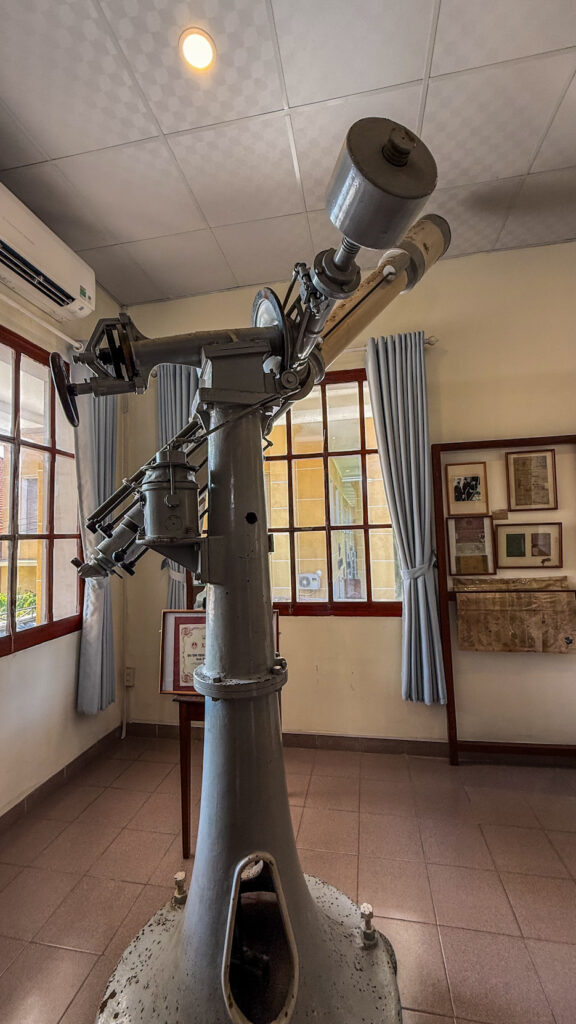
He mapped the Central Highlands, literally discovering the plateau where Da Lat now sits, and recommended building a resort city there. He introduced rubber trees and quinine-producing cinchona trees to Vietnam. He founded the Indochina Medical School, which became Hanoi Medical University, and set up Vietnam’s first research agencies in geography, meteorology, astrology, and oceanography. And in his spare time, he treated poor fishermen for free from a wooden house in Cồn fishing village. Local kids called him “Mr. Năm” and came to his house to watch films and play with his telescope. ❤️
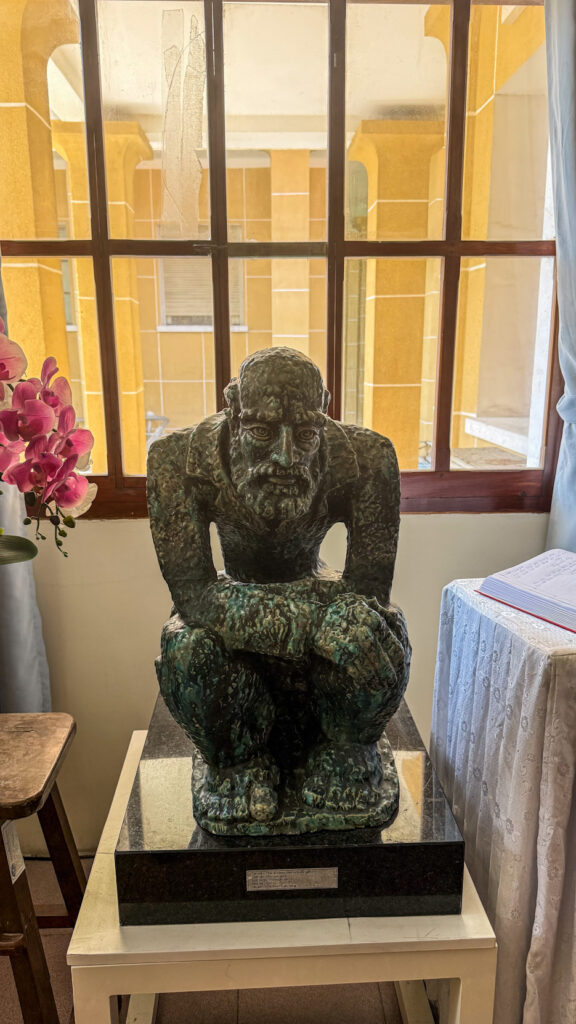
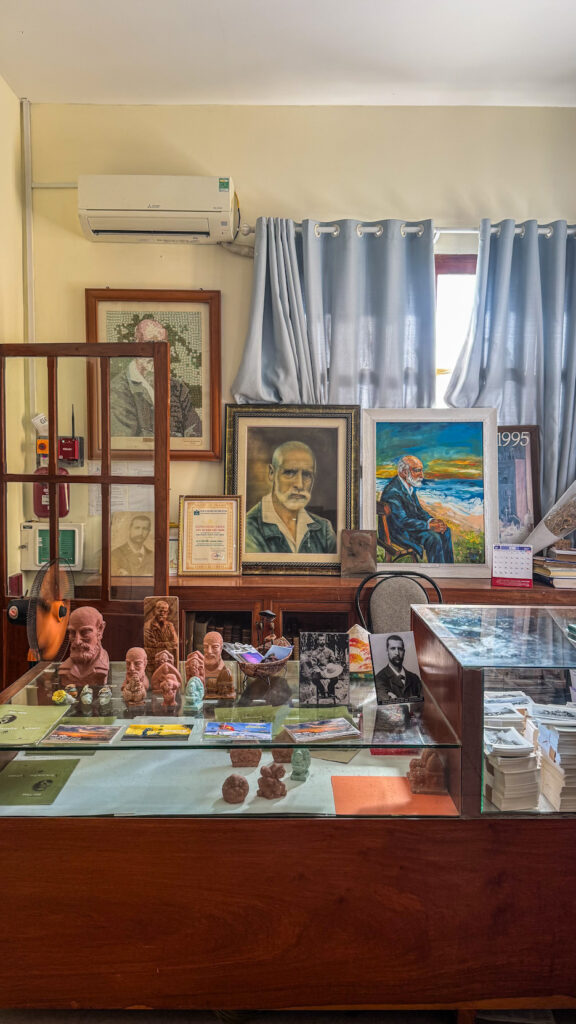
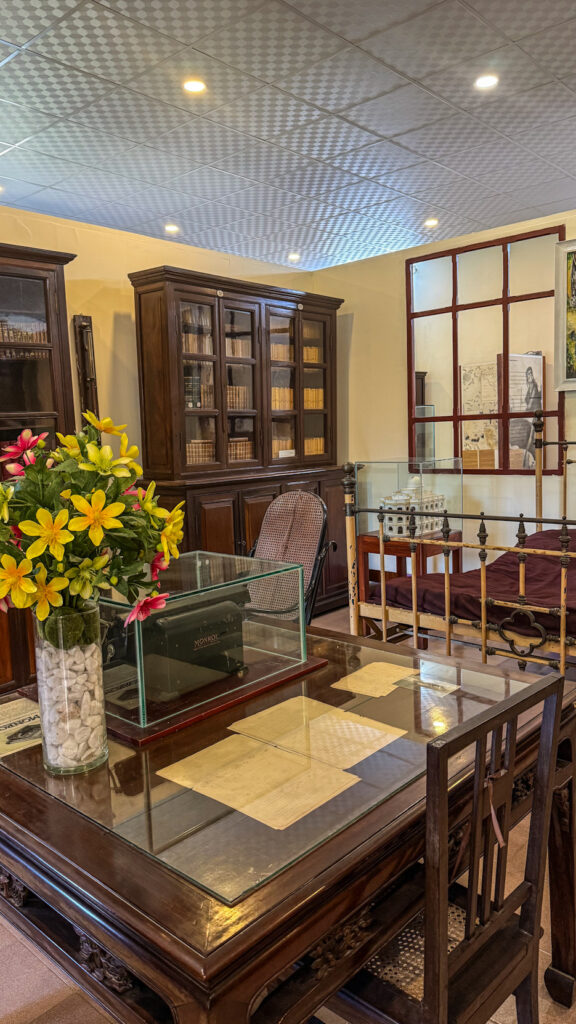
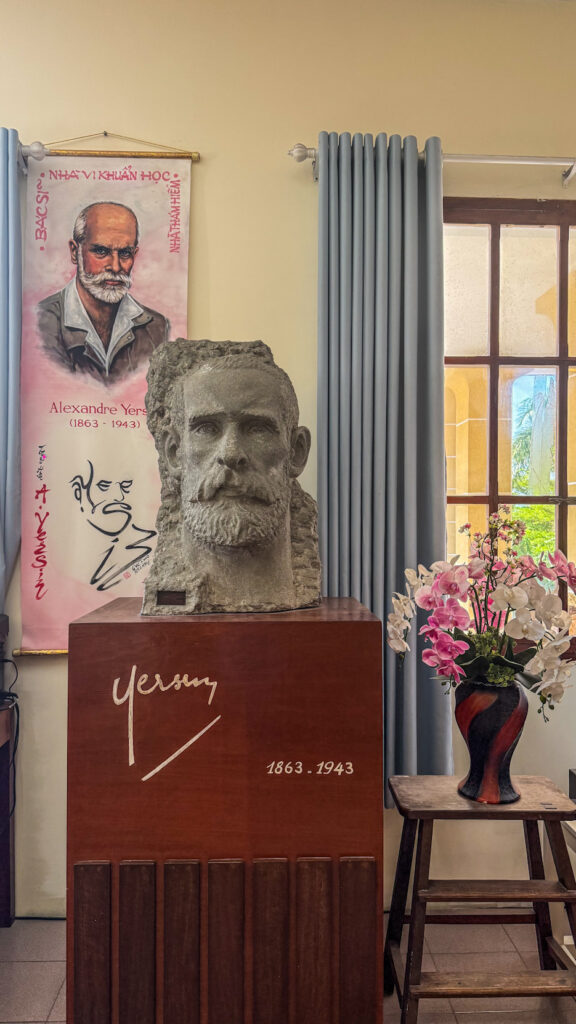
🏛️ The Museum: Small Room, Giant Legacy
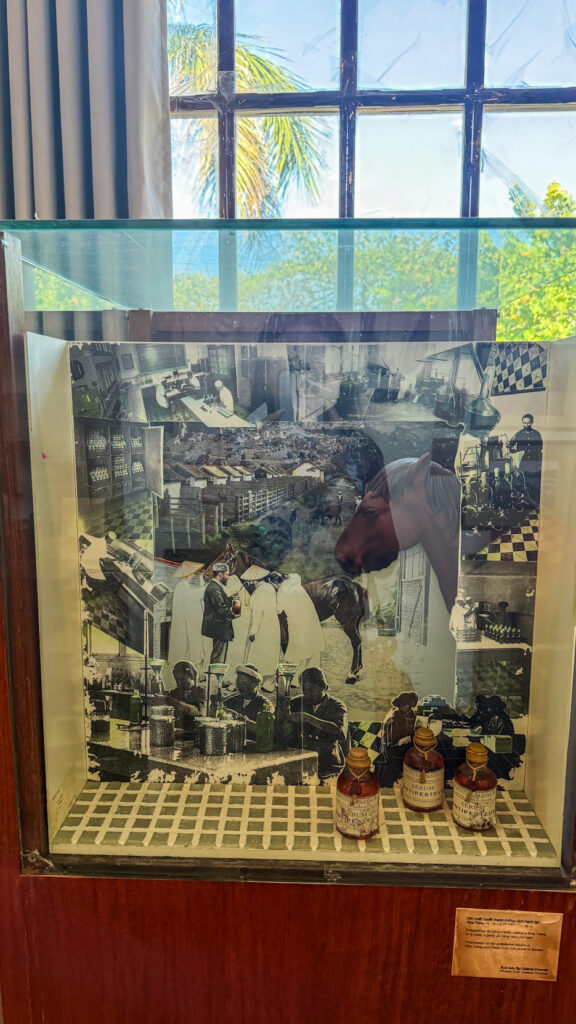
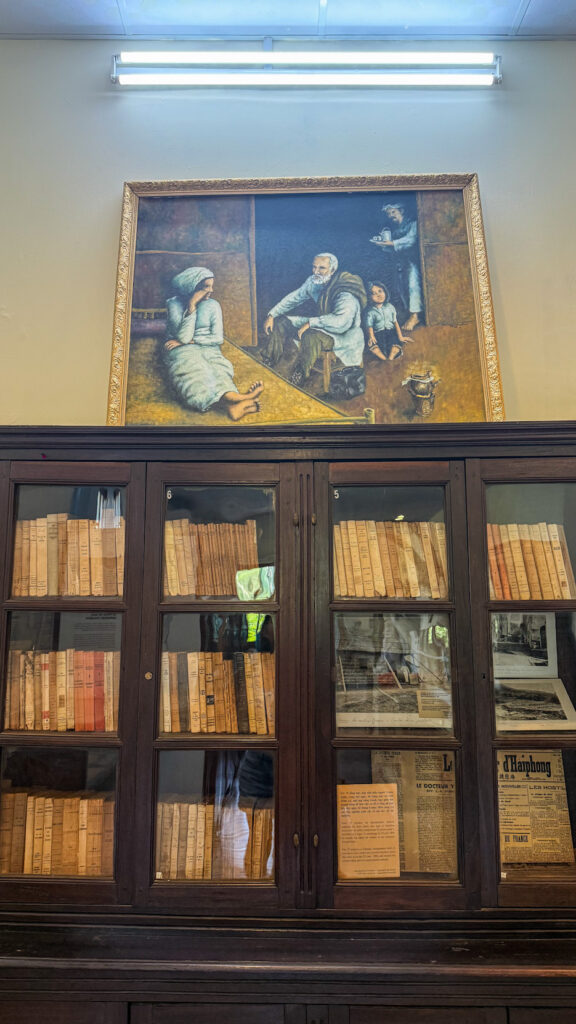
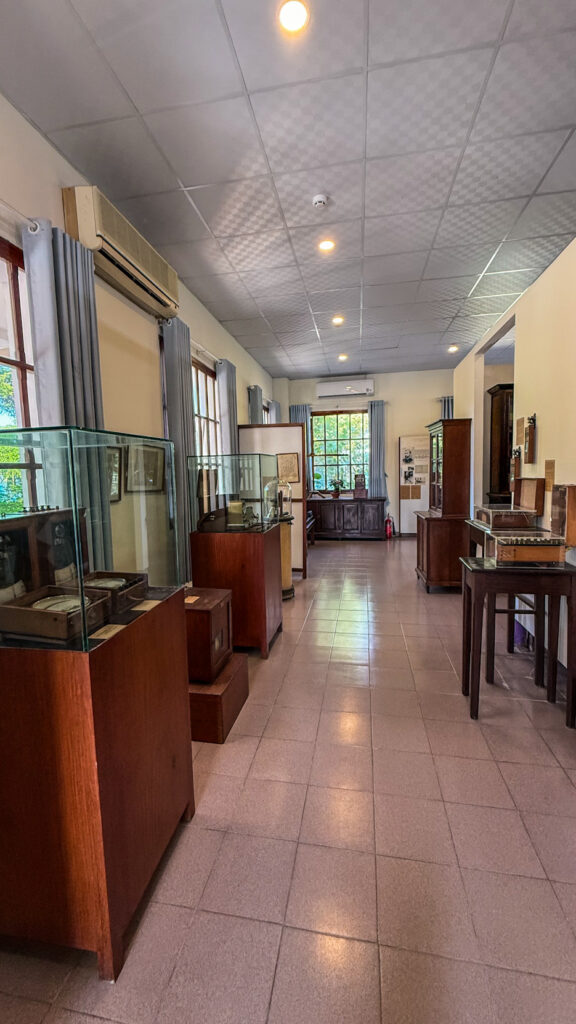
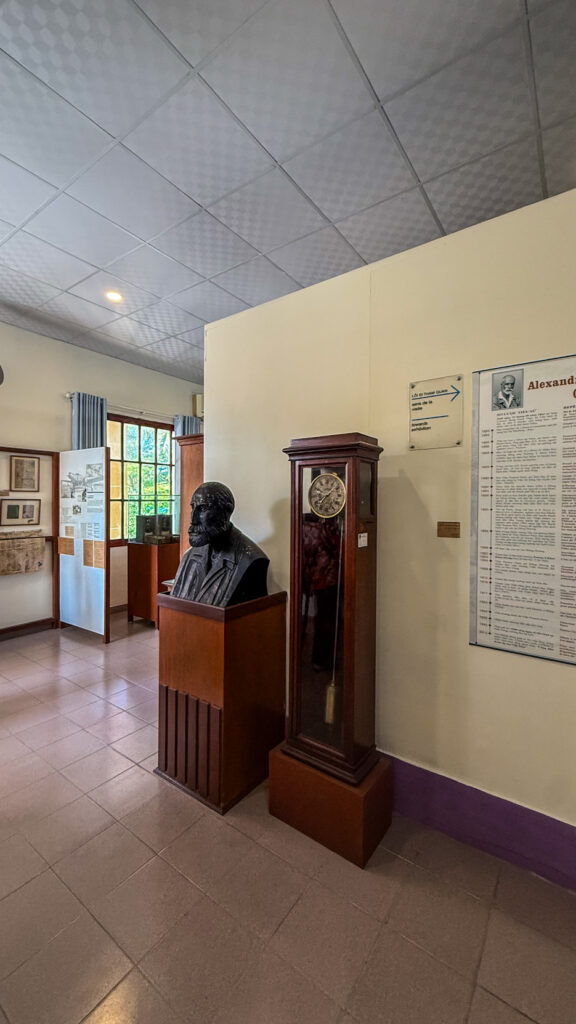
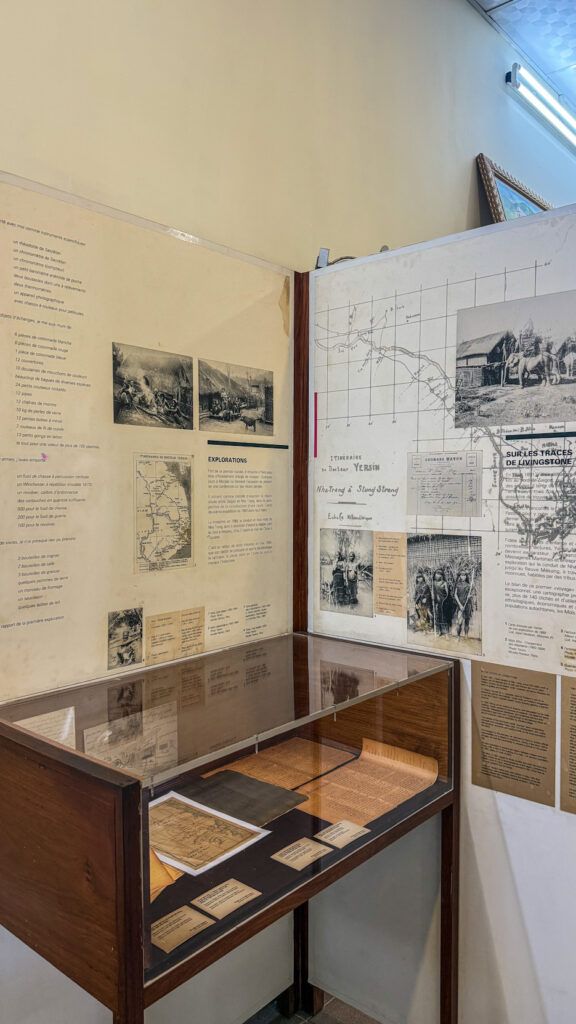
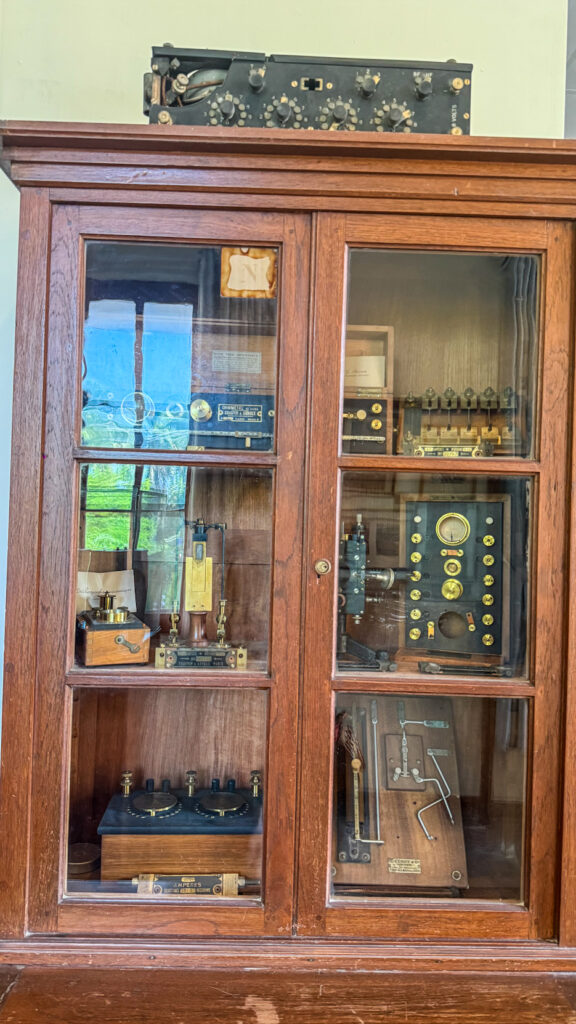
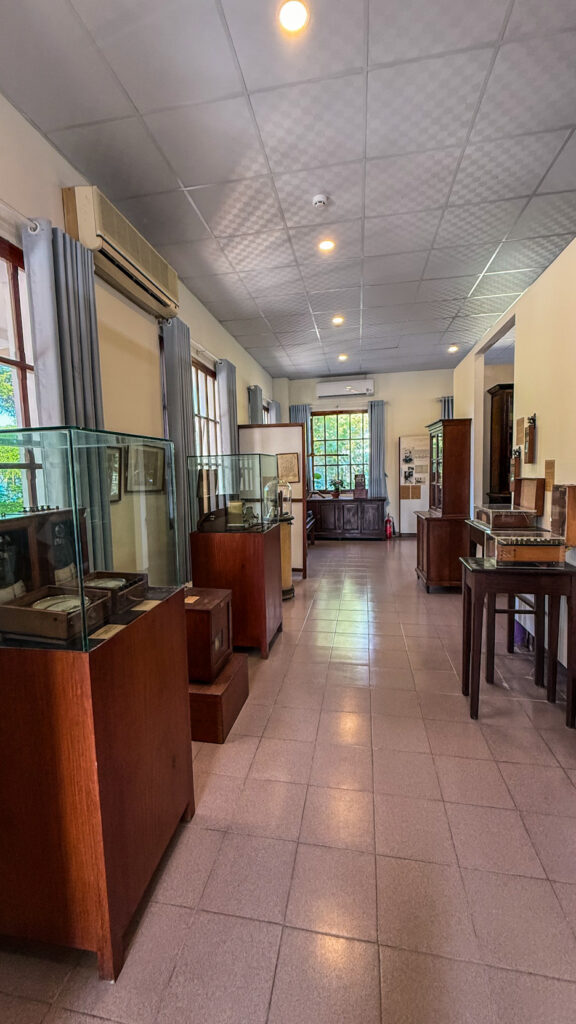
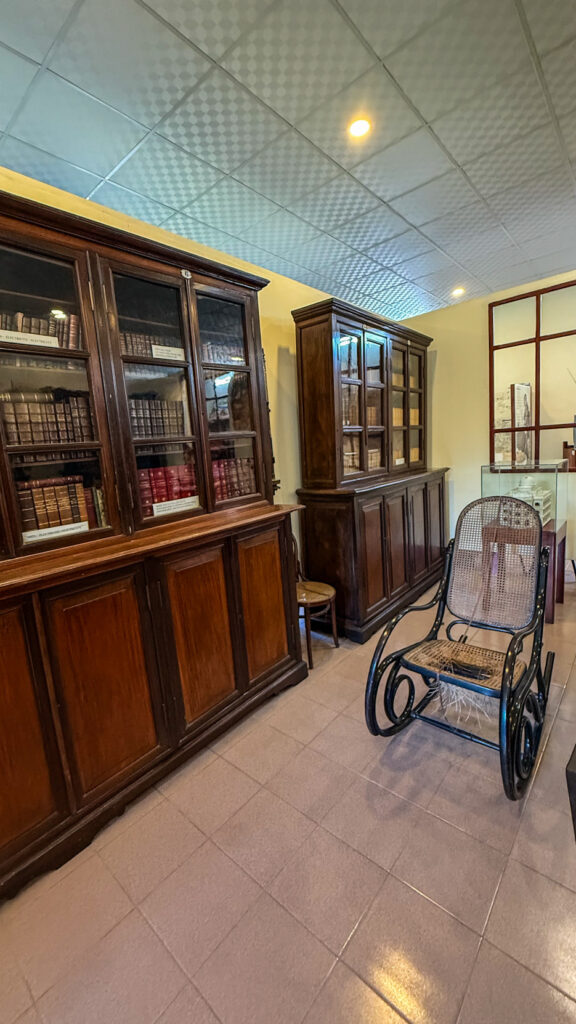
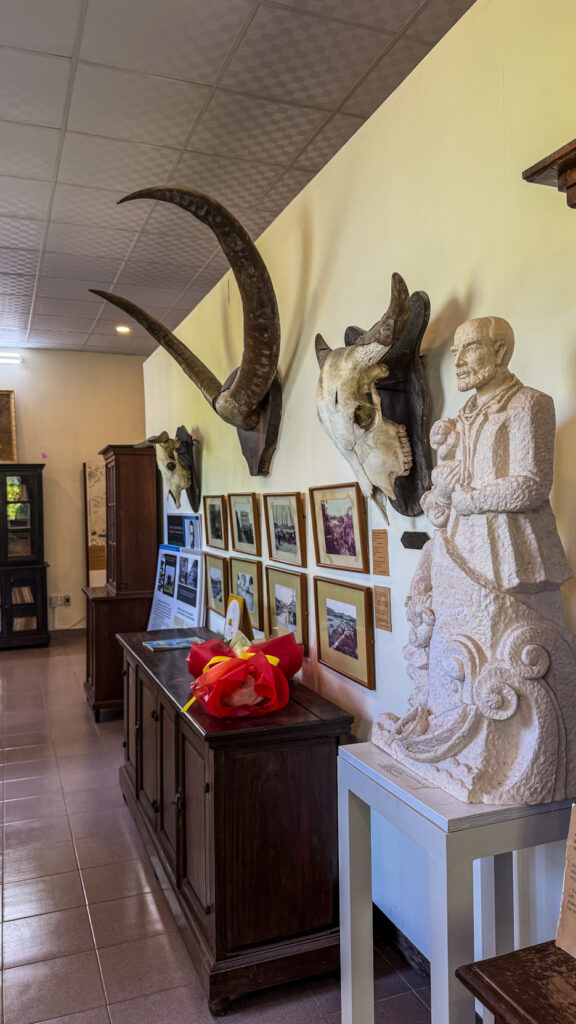
The museum occupies a modest space on the second floor of the Pasteur Institute, right on Trần Phú Street. It’s three rooms, mostly quiet, with French inscriptions on many exhibits. You walk in and suddenly you’re standing in front of Yersin’s original microscope — the one he used in Hong Kong. His antique Leroy clock ticks on the wall. His rattan bed sits in the corner, absurdly simple for a man of his achievements. His handwritten letters, travel diaries, telescopes, globes — all of it is here, preserved with a kind of reverence that feels entirely appropriate.
The coolest part is the 3D photo viewer. You look through it and see early 20th-century Vietnam through Yersin’s own lens — black-and-white images of a world that no longer exists: fishing boats on the Nha Trang coast, mountain passes in the Central Highlands, the Pasteur Institute when it was brand new. It’s a quiet, intimate glimpse into the life of someone who saw this country with fresh eyes and dedicated himself to it completely.
The museum doesn’t try to be flashy. There are no touch screens, no dramatic soundtracks. It’s just a humble room that tells the story of a man who saved millions of lives and never asked for anything in return. You can read his letters — some in French, some translated — and see his careful handwriting, his sketches, his maps. Give yourself 45 minutes to an hour. Don’t rush. Stand in front of the rattan bed and think about how someone who discovered a plague and mapped an entire region chose to live that simply.
📍 Practical Info (2026)
📍 Address: 8–10 Trần Phú, Nha Trang (inside the Pasteur Institute complex — look for the yellow French-colonial building).
🕒 Hours: Monday to Saturday, 7:30 AM – 11:30 AM and 2:00 PM – 5:00 PM. Closed Saturday afternoon and all day Sunday.
🎟️ Ticket: Around 20,000 VND. Buy it at the security hut at the gate before you enter — it’s easy to miss, so don’t just walk in.
⏱️ Time needed: 45 minutes to an hour. Small but packed with detail.
🌡️ Note: The building doesn’t have heavy air-conditioning — go early morning for the most comfortable visit.
🧥 Dress code: Casual is fine, but be respectful — it’s an active research institute as well as a historical site.
The museum sits directly on Trần Phú Street, right across from the promenade. If you’re staying at any of the beachfront hotels — the Sheraton Nha Trang, InterContinental Nha Trang, or Novotel Nha Trang — you can walk here in under ten minutes. Pair a morning museum visit with a coffee at a rooftop café, and you’ve got a perfect slow start to the day. You can also browse all hotels in Nha Trang and filter by Tran Phu Street — staying anywhere on this strip puts the museum, the beach, and the promenade at your doorstep.
🔗 What to Pair It With
After the museum, walk across the street and do the full Tran Phu Promenade — my guide to the 7km walk starts right outside the Pasteur Institute. If you want more Nha Trang discoveries, my three secret spots route takes you south to a helicopter cafe, a fairy forest, and a free lotus park. And for a completely different kind of history — Cham towers, ancient goddesses, and a thousand-year-old hilltop — my Po Nagar Cham Towers guide will fill your afternoon. 🏯
💎 Verdict: An Hour That Stays With You
The Yersin Museum Nha Trang is not big. It won’t take up your whole morning. But it will change the way you see this city. Every time I walk past the Pasteur Institute now, I think of the Swiss doctor in his wooden house, treating fishermen, mapping jungles, and changing the world from a quiet corner of Vietnam. Come for the beach, stay for the history, and leave with the story of a man who did everything and asked for nothing. 🧬
Frequently Asked Questions
Who was Alexandre Yersin?
A Swiss-born, French-naturalized scientist who was the first to isolate the bubonic plague bacterium, Yersinia pestis, named after him, in 1894.
When did Yersin found the Pasteur Institute in Nha Trang?
In 1895.
What else did Yersin contribute to Vietnam?
He mapped the Central Highlands (discovering the plateau where Da Lat now sits), introduced rubber and cinchona trees, and founded the school that became Hanoi Medical University.
Where is the museum located?
On the second floor of the Pasteur Institute, right on Trần Phú Street.
What can you see inside?
Yersin’s original microscope from Hong Kong, his rattan bed, handwritten letters, travel diaries, telescopes, and a 3D photo viewer of early 20th-century Vietnam.
Disclosure: This article contains affiliate links. If you book through them, I may earn a small commission at no extra cost to you. I only recommend places I have personally visited and trust.
Planning a wider Southeast Asia trip?
Cambodia With Me — practical Cambodia travel guides
Siam With Me — Thailand travel guides
Indonesia With Me — Indonesia travel guides
Singapore With Me — Singapore travel guides
Build your Vietnam route — free.