Quick answer: Vietnam is safe, affordable, and easy to navigate. For Vietnam for first-timers, there are a few things that catch travelers off guard. You’ll need a visa unless you’re from one of the 39 visa-exempt countries. Cash is still king, traffic is chaotic but manageable. The food is incredible. The key to a great trip is preparation. Get your visa sorted, pack light, use Grab, and be ready for the heat.
This guide covers the 10 most important things every first-timer needs to know before landing — from visas to traffic, money to food safety.
1️⃣ Visas — Get It Right Before You Fly
Most nationalities need a visa for Vietnam. The 90-day e-visa is the standard option — applied for entirely online through the official portal at evisa.gov.vn. It costs $25 USD for single entry and $50 USD for multiple entry.
Citizens of about 39 countries (including the UK, France, Germany, Russia, Japan, and South Korea) can enter visa-free for up to 45 days. Everyone else, or those staying longer, must apply for an e-visa.
Pro tip: Apply at least 2 weeks in advance. The processing time is 3–5 working days, but delays happen. Print two copies of your e-visa — you’ll need them for check-in and immigration.
Read my complete guide: Do I need a visa for Vietnam?
2️⃣ Money — Cash Is Still King
Vietnam’s currency is the Vietnamese Dong (VND). You can’t buy it outside Vietnam — you’ll need to withdraw from ATMs or exchange cash after you arrive.
Cash is essential for street food, taxis, markets, and small shops. Cards are accepted at hotels, high-end restaurants, and large stores. Always carry some cash — even in tourist areas.
ATMs: Withdrawal limits are 2–5 million VND ($80–$200 USD) per transaction. Most charge a fee of $1–$2 USD. Withdraw larger amounts to minimize fees.
Exchange rates: Gold shops offer the best rates. Avoid exchanging at airports or hotels unless you’re in a hurry.
Read my complete guide: Vietnam currency: cash or card?
3️⃣ Weather — Pack for Three Climates
Vietnam stretches 1,650 kilometers from north to south. The weather varies dramatically by region. The north has four seasons; the centre has a dry-wet pattern; the south has just two seasons — dry and wet.
Best all-round window: February to April — dry and pleasant across all three regions.
North (Hanoi, Ha Long, Sapa): Winter (Dec–Feb) can be cold (10°C in Hanoi, below freezing in Sapa). Summer (May–Aug) is hot and rainy.
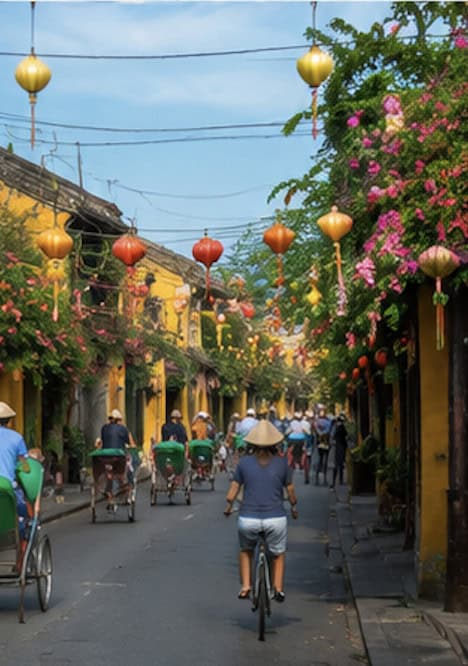
Centre (Da Nang, Hoi An, Nha Trang): Dry from Jan–Aug, wet and typhoon-prone from Sep–Dec.
South (Ho Chi Minh City, Phu Quoc): Hot year-round. Dry from Dec–Apr, wet from May–Nov.
Read my complete guide: Best time to visit Vietnam.
4️⃣ Transport — Fly Between Regions, Grab in Cities
The best way to get around Vietnam depends on your route and budget.
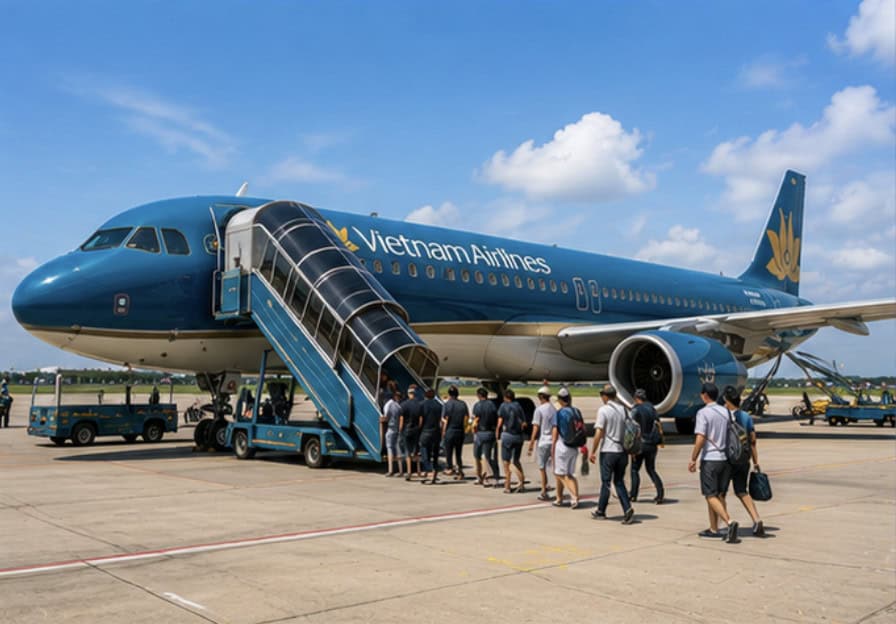
Flights: The fastest way to cover long distances. Hanoi→Da Nang is ~1 hour; Hanoi→Saigon is ~2 hours. Book 2–3 weeks in advance for the best prices.
Trains: Scenic and comfortable (especially soft sleepers) but slow. The Hue→Da Nang leg is the most beautiful — it runs along the coast.
Buses: Sleeper buses are the cheapest option for overnight journeys but cramped. Good for shorter routes like Da Nang→Hoi An or Hanoi→Ha Long.
Grab: The easiest way to get around cities — cheaper than taxis and no haggling. Always check both GrabBike and GrabCar options.
Motorbikes: Only for experienced riders. Traffic is chaotic, and accidents are the #1 cause of tourist injury in Vietnam.
Read my complete guide: Vietnam transport guide.
5️⃣ Food — Eat Street Food, But Be Smart
Vietnamese food is incredible — and street food is where the best flavors are found. But there are a few things to keep in mind:
What to eat: Phở (noodle soup), bánh mì (baguette sandwich), bún chả (grilled pork with noodles), cơm tấm (broken rice with grilled pork), and fresh spring rolls.
Choose stalls with a high turnover — the food is fresh, and locals are voting with their feet. Avoid raw seafood or undercooked meat.
Tap water is not safe — drink bottled water. Ice is usually safe if it comes from a factory (look for a clear cube with a hole in the middle).
Pro tip: If you have a sensitive stomach, carry anti-diarrheal medication (Imodium) and oral rehydration salts.
Read my complete guide: Vietnamese food guide.
6️⃣ Safety — Vietnam Is Safe, But Take Precautions
Vietnam is one of the safest destinations in Asia. The US State Department rates it Level 1 (“Exercise normal precautions”). Violent crime against tourists is rare.
The real risks are:
- Traffic accidents — the #1 cause of tourist injury. Be cautious when crossing streets and riding motorbikes.
- Petty theft — bag snatching and pickpocketing in crowded areas. Keep valuables out of sight.
- Scams — unlicensed taxis, currency exchange tricks, and “friendship” scams. Trust your instincts.
Read my complete guide: Is Vietnam safe for tourists?
7️⃣ Connectivity — Get a SIM or eSIM on Arrival
Staying connected is essential — for Grab, Google Maps, and booking last-minute activities.
Best option: Viettel SIM — widest coverage, including remote areas and islands like Phu Quoc. Buy it at the airport or in the city.
eSIM: If your phone supports it, buy an eSIM from Airalo or Mobimatter before you go. It’s the most convenient option — scan the QR code and you’re connected.
Cost: A tourist SIM costs $5–10 USD for 30 days with 5–10 GB data. eSIMs start from $8 USD.
Read my complete guide: Best SIM card and eSIM for Vietnam.
8️⃣ Packing — Less Is More
Vietnam is hot and humid. Pack light, breathable clothes — cotton, linen, or bamboo fabrics work best. You’ll do laundry every few days, so a week’s worth of clothes is enough.
Must-haves:
- Light rain jacket or poncho — rain is unpredictable year-round.
- Insect repellent (DEET 30%+) — essential, especially in the Mekong Delta.
- Universal travel adapter — Vietnam uses Type A and Type C outlets.
- Temple cover-up — a light scarf or shawl to cover shoulders and knees.
Read my complete guide: Vietnam packing list.
9️⃣ Insurance — Don’t Skip It
Travel insurance is essential for Vietnam. Medical costs must be paid upfront, and a serious motorbike accident or illness can cost $5,000–$15,000+ USD.
What to look for:
- Medical coverage: At least $50,000 USD.
- Evacuation coverage: At least $100,000 USD.
- Motorbike coverage: Check if you’re covered for bikes up to 125cc.
- Pre-existing conditions: Declare them upfront.
Read my complete guide: Vietnam travel insurance guide.
🔟 How Much to Budget
Vietnam is one of Southeast Asia’s best-value destinations. Backpackers can expect to spend $25–$35 USD per day on hostels, street food, and buses, while mid-range travelers pay $50–$70 USD per day for mid-range hotels, local restaurants, and Grab.
Luxury travelers should budget $100–$150+ USD per day for resorts, fine dining, and private tours. For a 2-week mid-range trip, budget $700–$1,000 USD per person.
Read my complete guide: How much money to take to Vietnam.
💎 Final Verdict
Vietnam is an incredible destination — safe, affordable, and full of unforgettable experiences. The key to a smooth trip is planning ahead: get your visa sorted, check the weather, pack light, and book your transport early. Once you’re there, trust your instincts, eat street food, and take it slow. Vietnam rewards travelers who embrace the chaos.
🏨 Where to Stay & What to Pair It With
Once you’ve got your planning sorted, it’s time to book your accommodation. You’ll find everything from budget guesthouses to luxury resorts across Vietnam — check hotels in Vietnam to compare prices and read guest reviews. For a broader overview, I’ve put together guides to the best hotels on Phu Quoc, best hotels in Da Nang, and best hotels in Nha Trang if you’re still deciding where to base yourself.
Frequently Asked Questions
Do I need a visa to visit Vietnam as a first-timer?
Most nationalities need a visa. The 90-day e-visa costs $25 for single entry or $50 for multiple entry, while citizens of about 39 countries can enter visa-free for up to 45 days.
Is cash or card better for first-time visitors to Vietnam?
Cash is still essential for street food, taxis, markets, and small shops, though cards are accepted at hotels, high-end restaurants, and large stores.
When is the best time to visit Vietnam for first-timers?
February to April is the best all-round window, offering dry and pleasant weather across the north, centre, and south.
How should first-timers get around Vietnam?
Flights are fastest for long distances (Hanoi to Da Nang is about 1 hour, Hanoi to Saigon about 2 hours), while trains are scenic but slow, and sleeper buses are the cheapest option for overnight journeys.
How far in advance should I apply for a Vietnam e-visa?
Apply at least 2 weeks in advance — processing takes 3–5 working days but delays happen, and you should print two copies for check-in and immigration.
Planning a wider Southeast Asia trip?
Cambodia With Me — practical Cambodia travel guides
Siam With Me — Thailand travel guides
Indonesia With Me — Indonesia travel guides
Singapore With Me — Singapore travel guides
Build your Vietnam route — free.