Local Museums in Hội An
Hội An’s Old Town is packed with museums, and most are small and housed in old merchant houses. I’ve been to all of them — here are the five that actually deserve a spot on your list.
One ticket includes access to five sites, including museums in Hoi An: a free gallery documents all 54 ethnic groups, and a 19th-century pharmacy lets you still get your pulse taken.
If you’re planning a visit, start with the Precious Heritage Museum — it’s free and doesn’t count toward your ticket. Next, use your 5 visits on the museums below; each offers a different view of Hội An’s history and culture.
🆓 Precious Heritage Museum — Free, No Ticket Required
📍 26 Phan Bội Châu | 🕒 8 AM – 8 PM | 🎟️ FREE
However, this is a museum you should not skip.
Among the museums in Hoi An, Precious Heritage stands out. It is life’s work of Réhahn who spent 10 years documenting 54 ethnic groups in Vietnam.
The museum displays over 200 large-format portraits. It features more than 50 traditional costumes, some of which are the last of their kind. A one-hour documentary covers his journey.
The building itself is a 19th-century French colonial house, and the atmosphere is quiet and respectful.
If you have time, watch the documentary and read the personal stories next to each portrait.
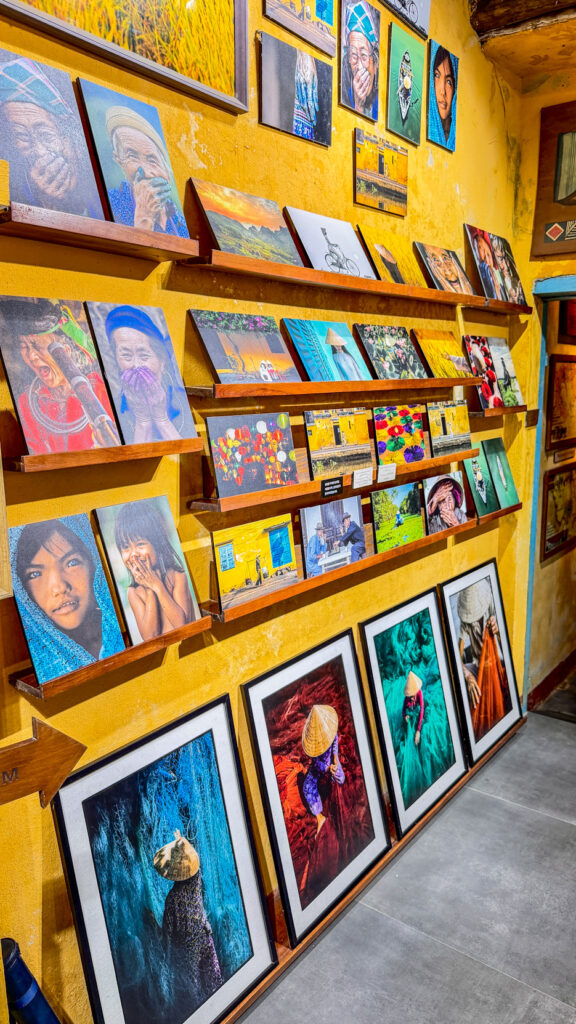
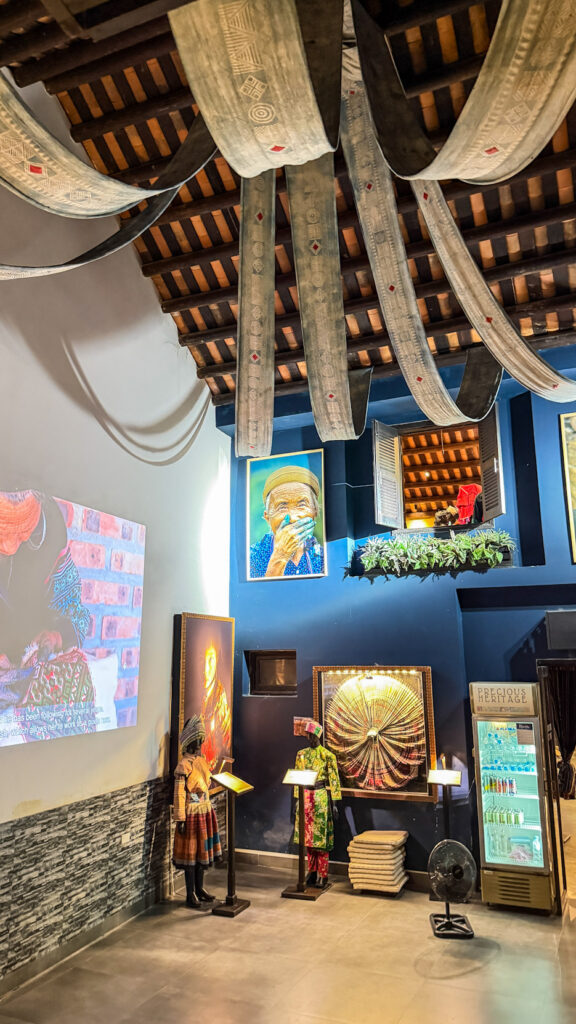
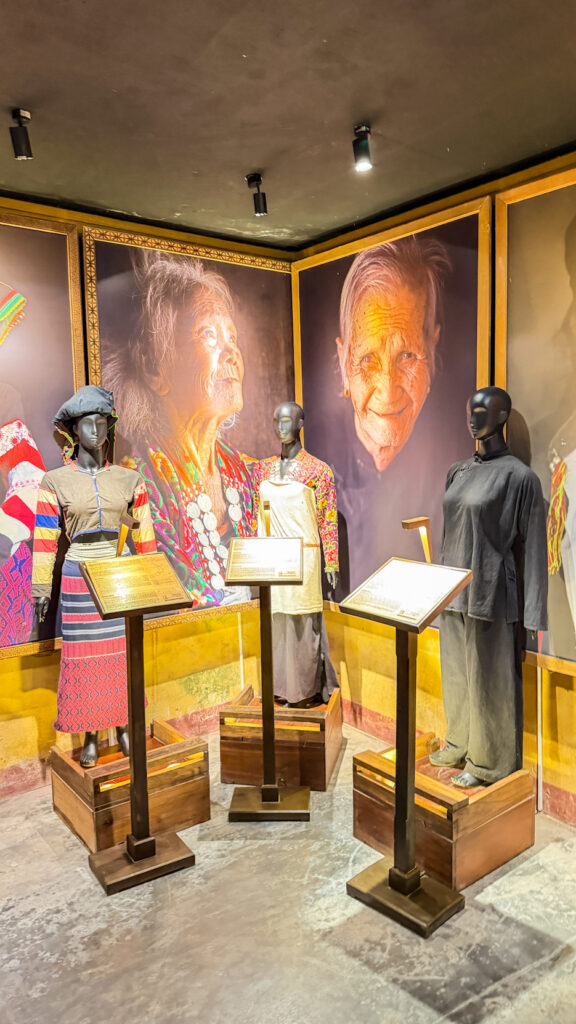
Read the full guide: Precious Heritage Museum.
It is the free Hoi An museum that took 10 years to document all 54 ethnic groups.
🏺 Museum of Trade Ceramics — Pottery, Shipwrecks & a Wooden Balcony
📍 80 Trần Phú | 🕒 7 AM – 9 PM (closed 15th of each month) | 🎟️ Included with ticket
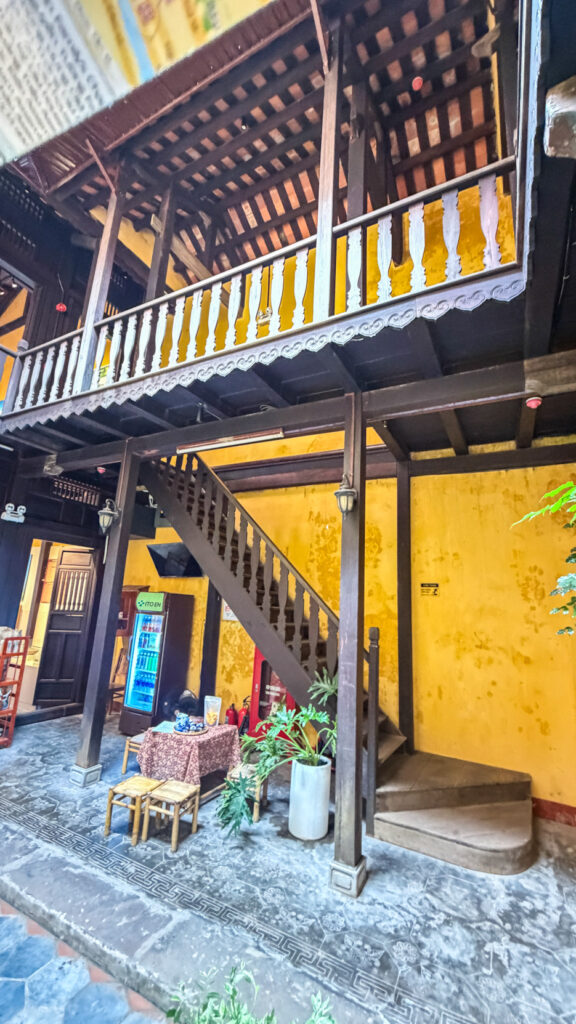
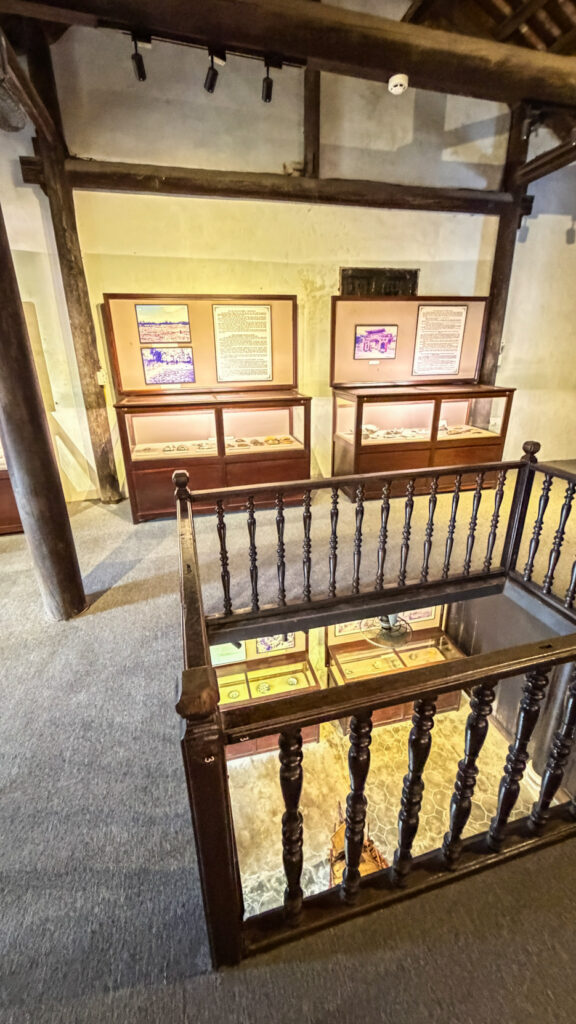
You walk into a wooden house on Trần Phú, and the floor creaks under your feet. The building looks like any other old merchant house in Hội An — two stories, a wooden balcony, a courtyard in the middle. But inside, it tells a story that connects Vietnam to the rest of Asia.
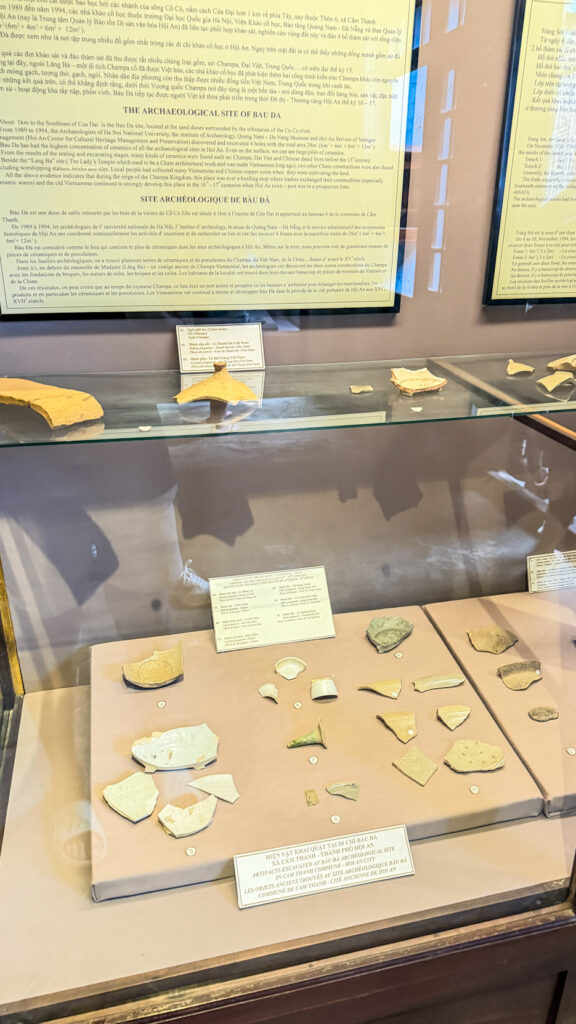
The museum houses over 400 artifacts dating from the 9th to the 19th centuries. Most of them were excavated in and around Hội An. They come from China, Japan, Thailand, India, the Middle East, and Vietnam. Some were even recovered from a shipwreck in 1933.
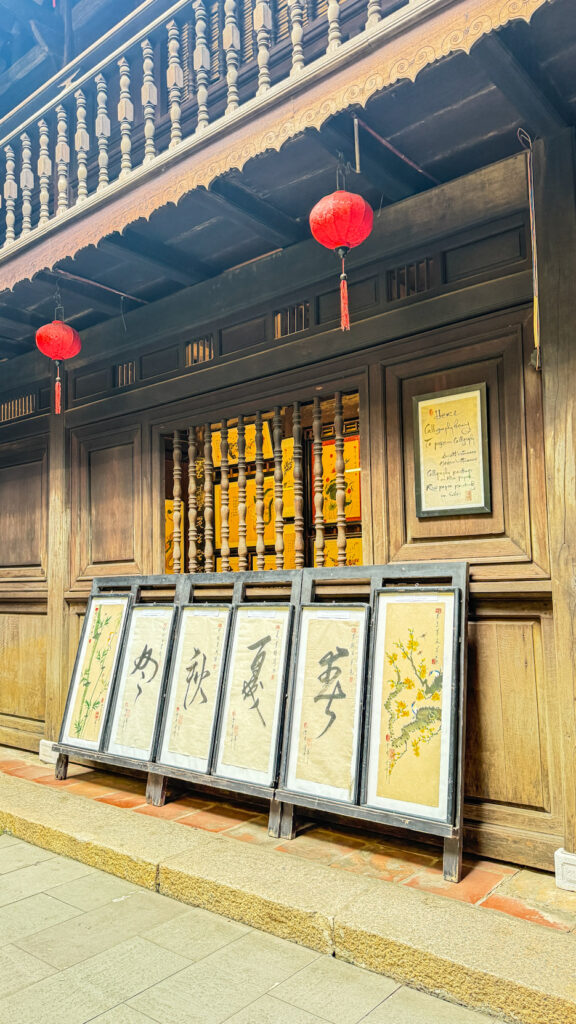
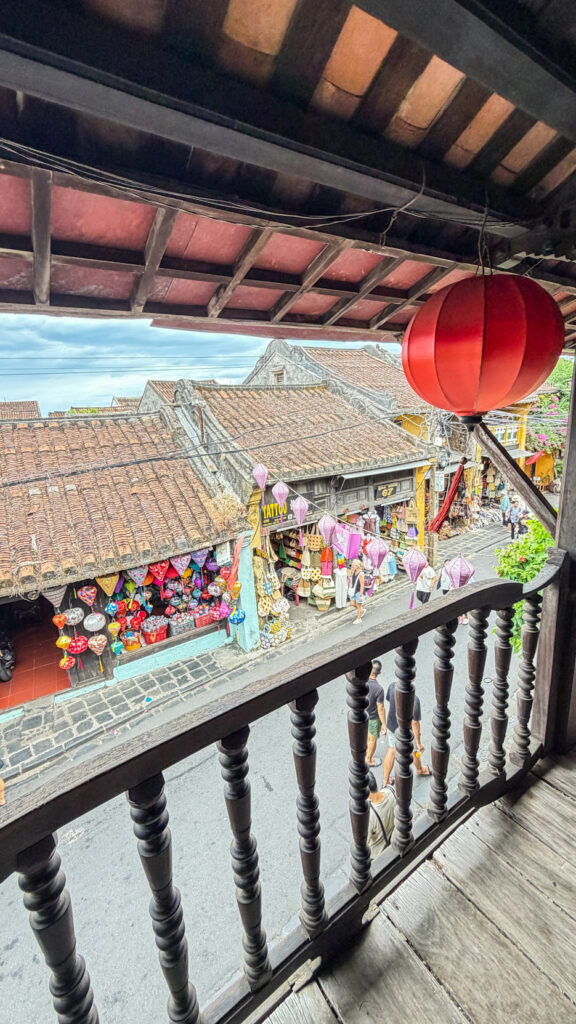
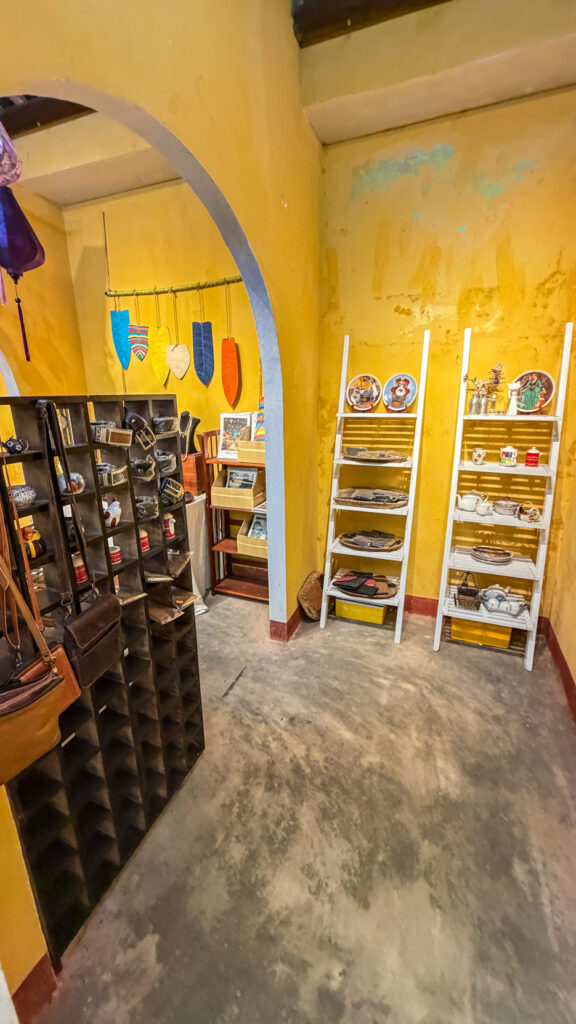
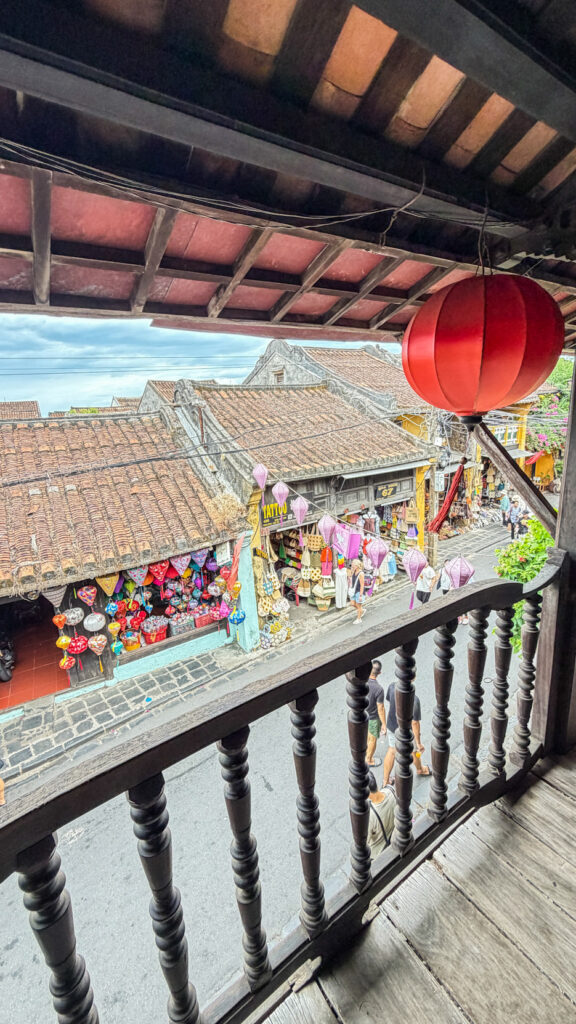
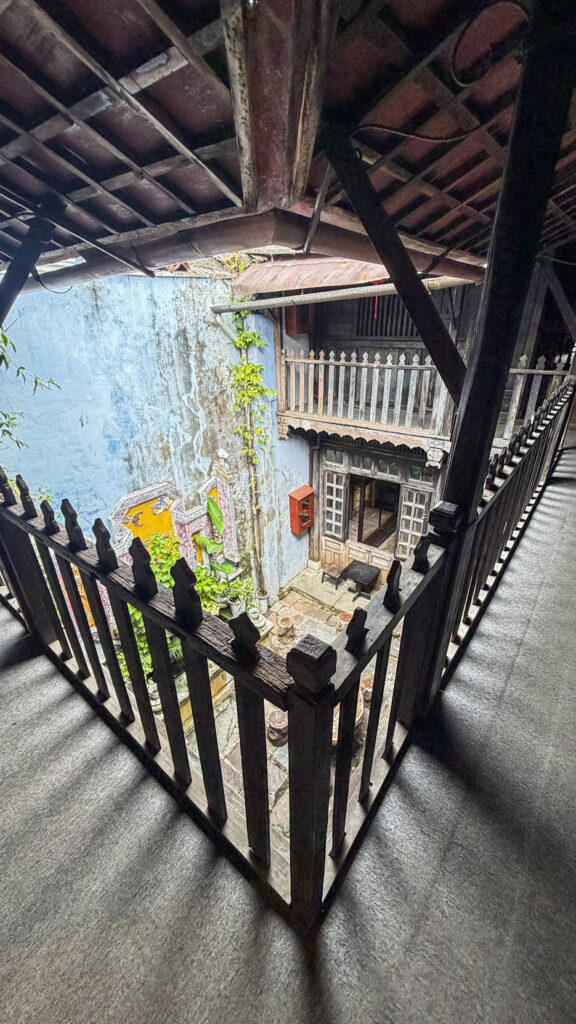
The building itself is part of the exhibition. The wooden balcony on the second floor gives you a view over the street. The carved window lattices and handrails have been there for over a century. It’s the kind of place where you stop taking photos and just look.
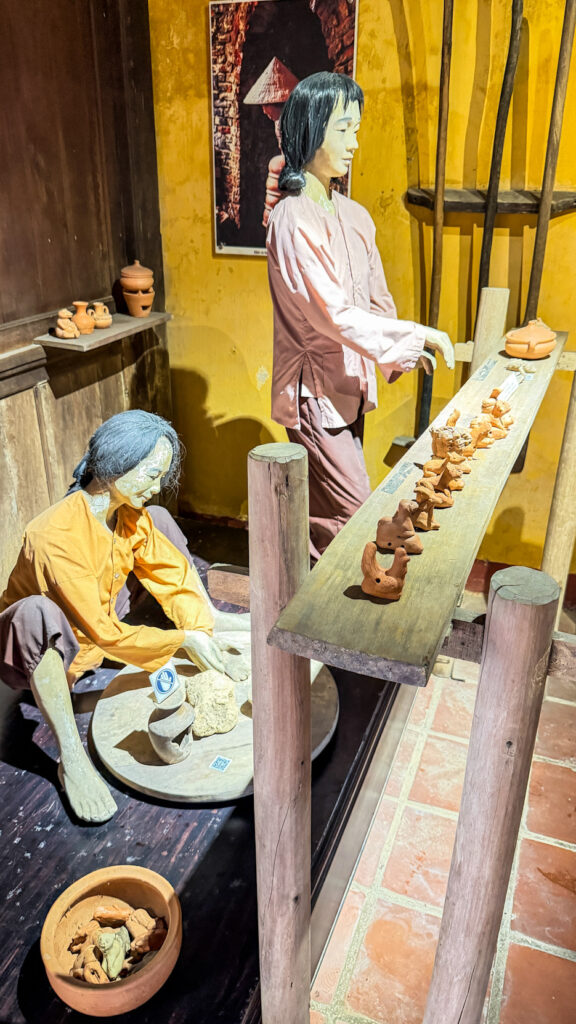
The museum also has a hands-on workshop where you can try your hand at pottery making. And there’s a section selling handmade souvenirs created by people with disabilities — a social initiative that turns heritage into livelihoods.
Time needed: 30–60 minutes.
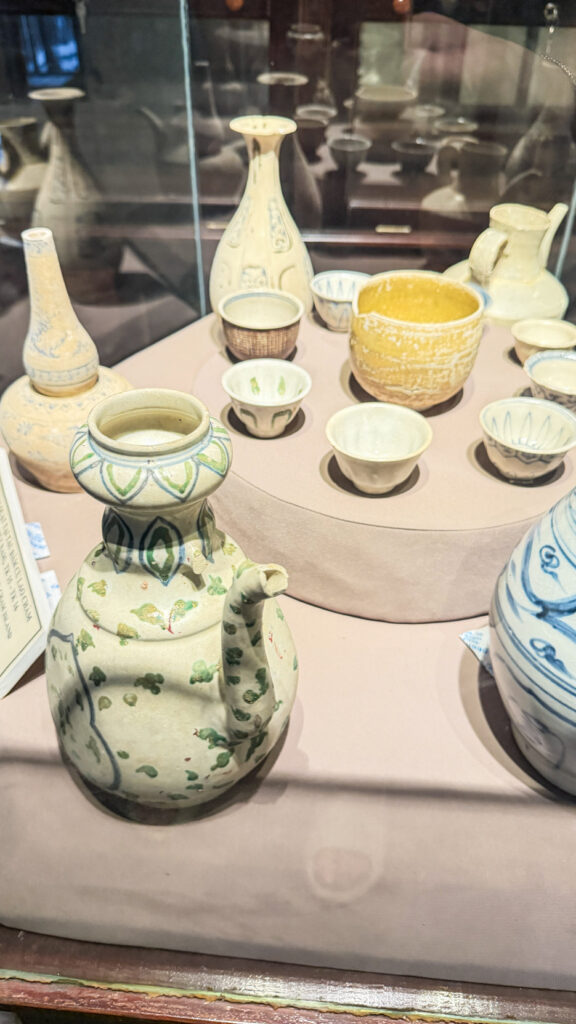
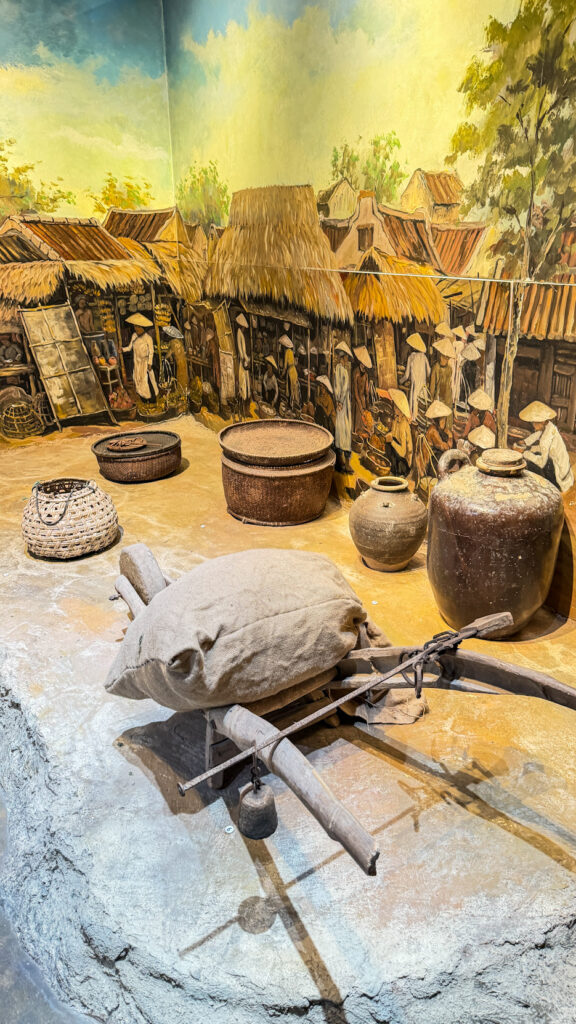
🧺 Museum of Folk Culture — 57 Meters of Daily Life
📍 33 Nguyễn Thái Học | 🕒 8 AM – 5 PM | 🎟️ Included with ticket
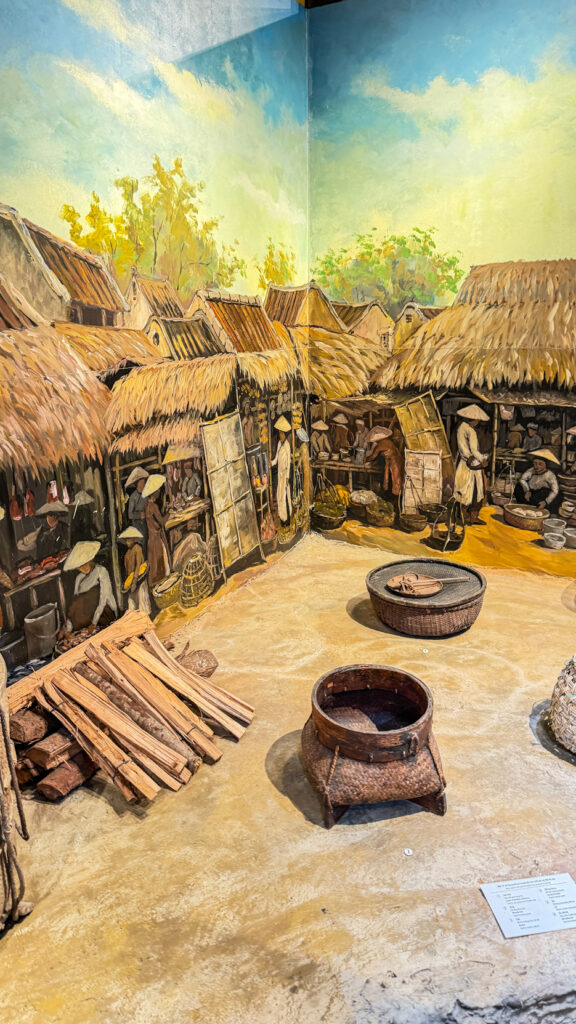
The Museum of Folk Culture doesn’t look like much from the outside. It’s a long, narrow building on Nguyễn Thái Học, and if you’re not paying attention, you might walk straight past it. But the building stretches 57 meters and connects two different streets — you enter on one side and come out on the other.
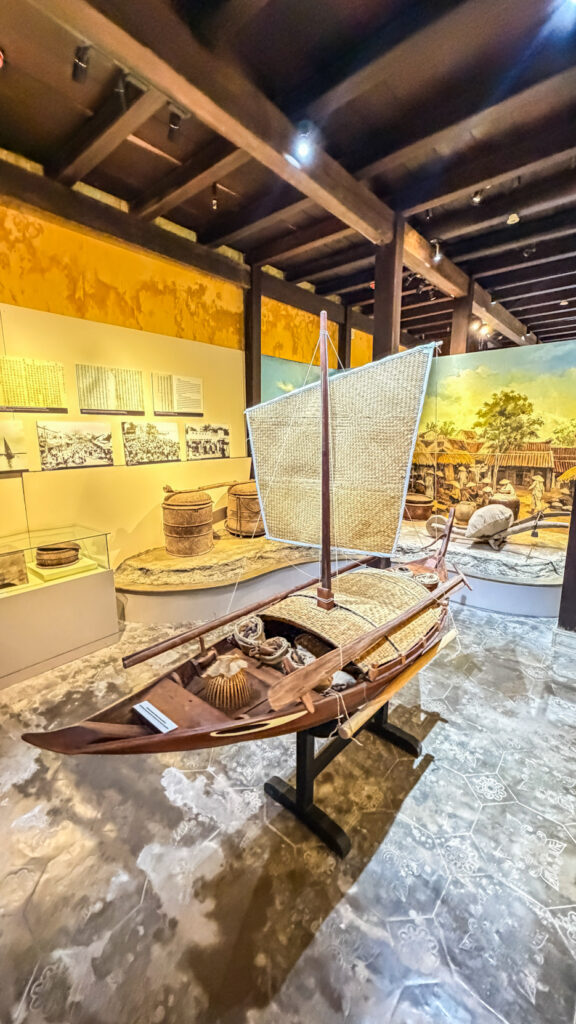
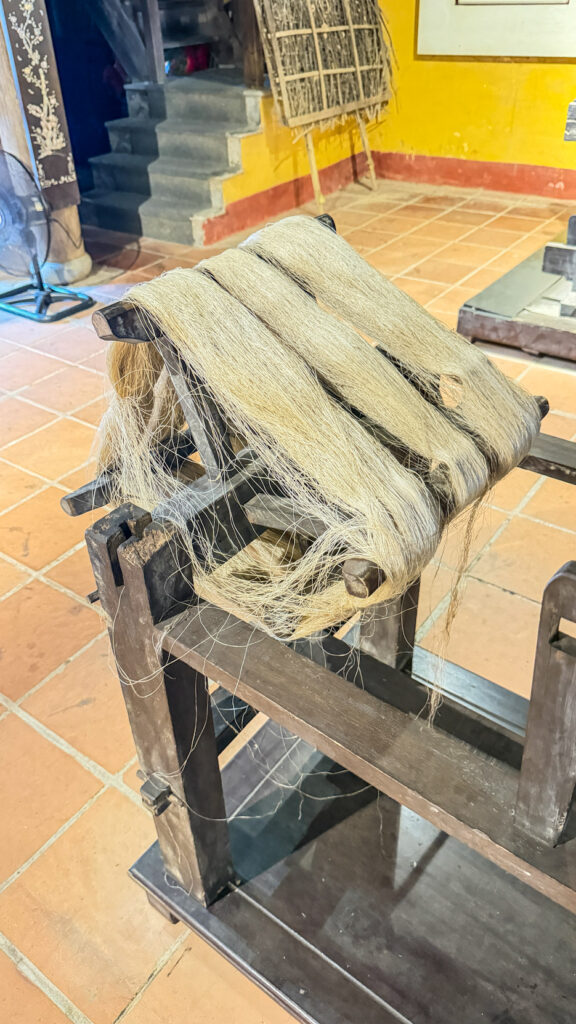
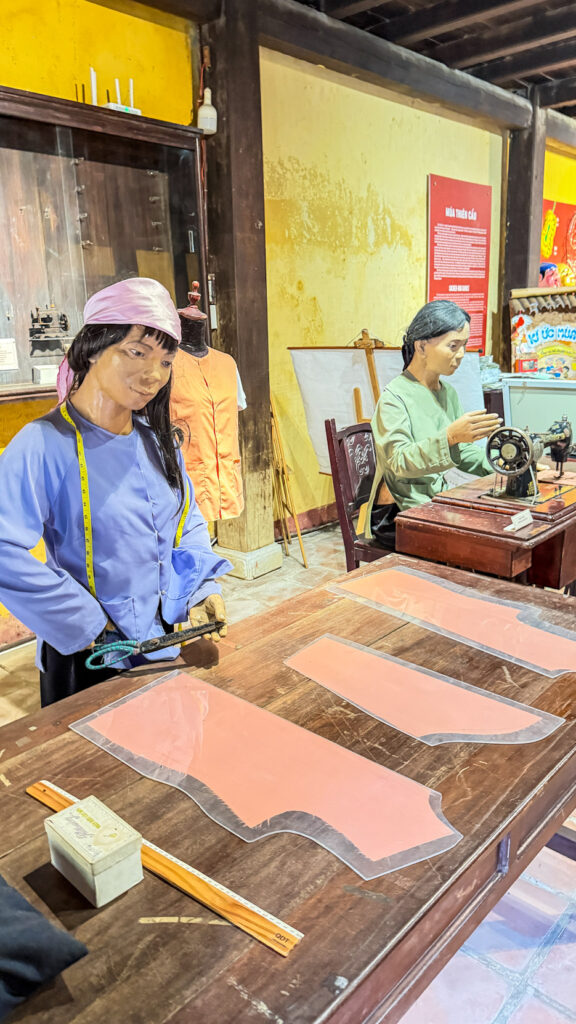
The space is filled with objects from daily life in central Vietnam: farming tools, fishing nets, traditional costumes, and household items from different ethnic groups. The displays are arranged by theme — fishing, farming, weaving, festivals. Some of the objects are over a hundred years old, and the craftsmanship is still visible in the details.
The QR codes next to each exhibit let you pull up detailed explanations on your phone. It’s not a flashy museum, but it gives you a sense of what life was like in the region before tourism changed it.
The building itself is part of the experience — one of the longest traditional houses in Hội An, running from Nguyễn Thái Học to the river side. Walking through it feels like walking through a different era.
Time needed: 30–45 minutes.
🌿 Museum of Traditional Medicine — The Pharmacy That Still Lets You Feel the Pulse
📍 46 Nguyễn Thái Học | 🕒 7 AM – 9 PM (closed 12th and 27th of lunar month) | 🎟️ Included with ticket
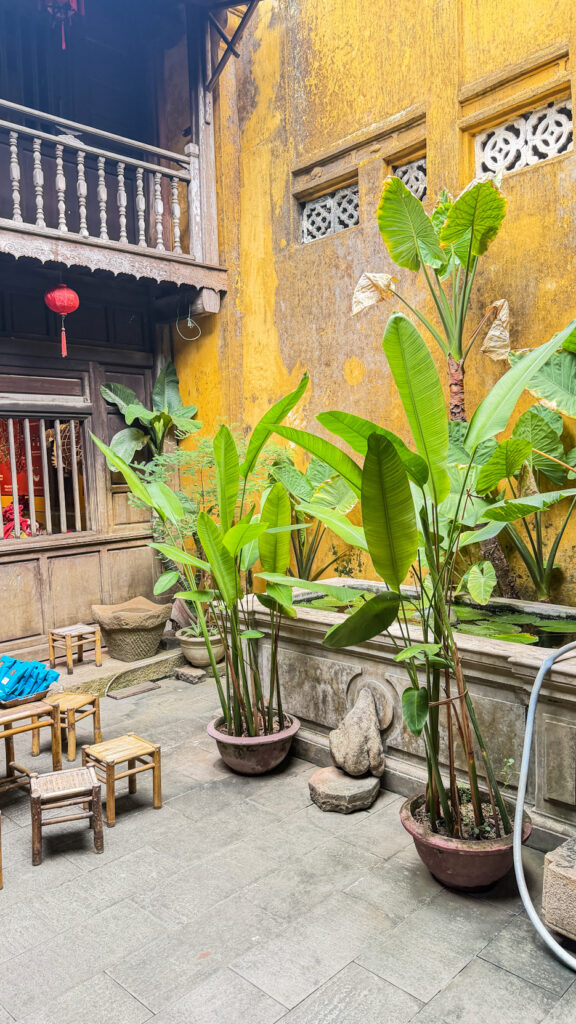
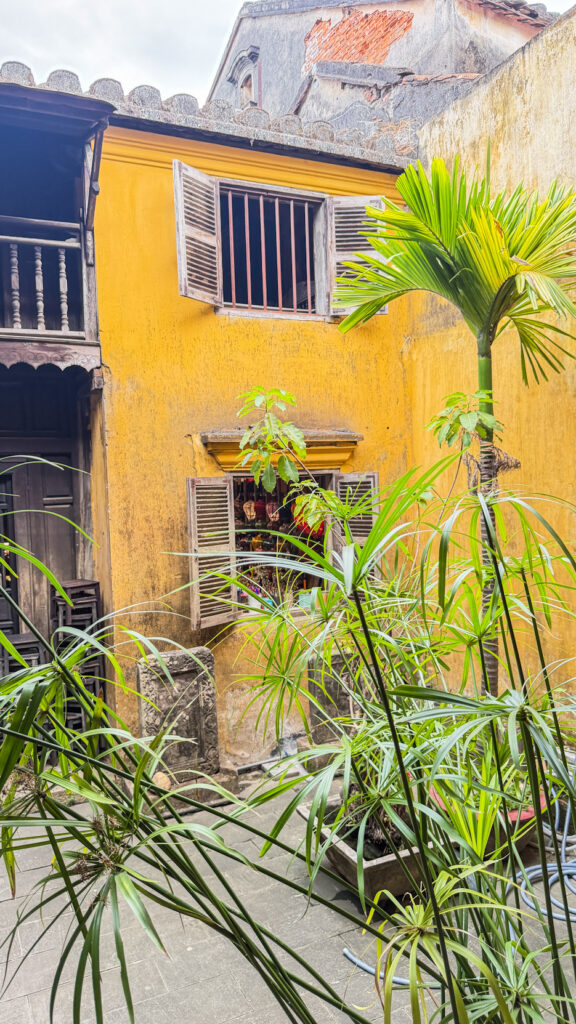
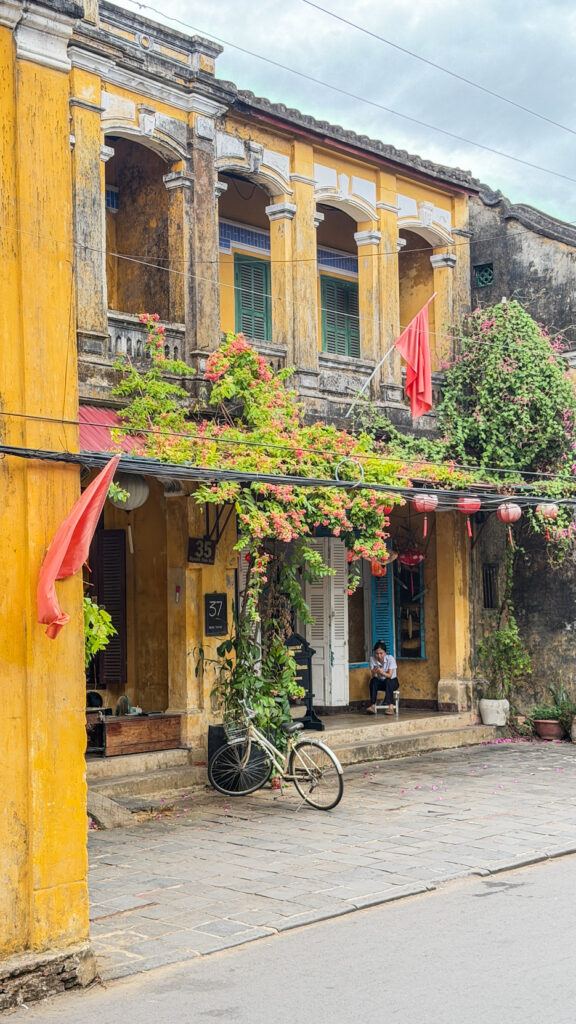
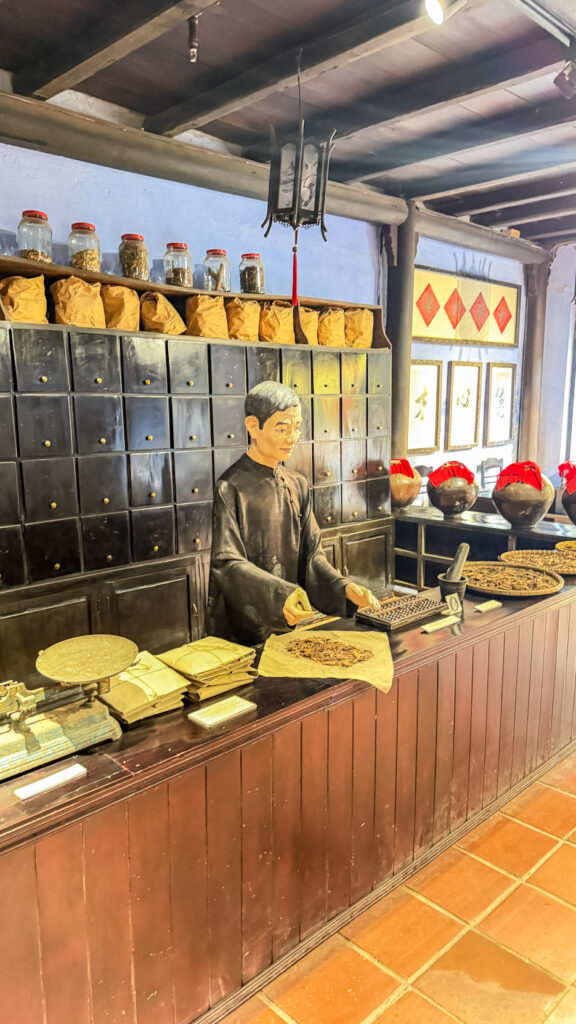
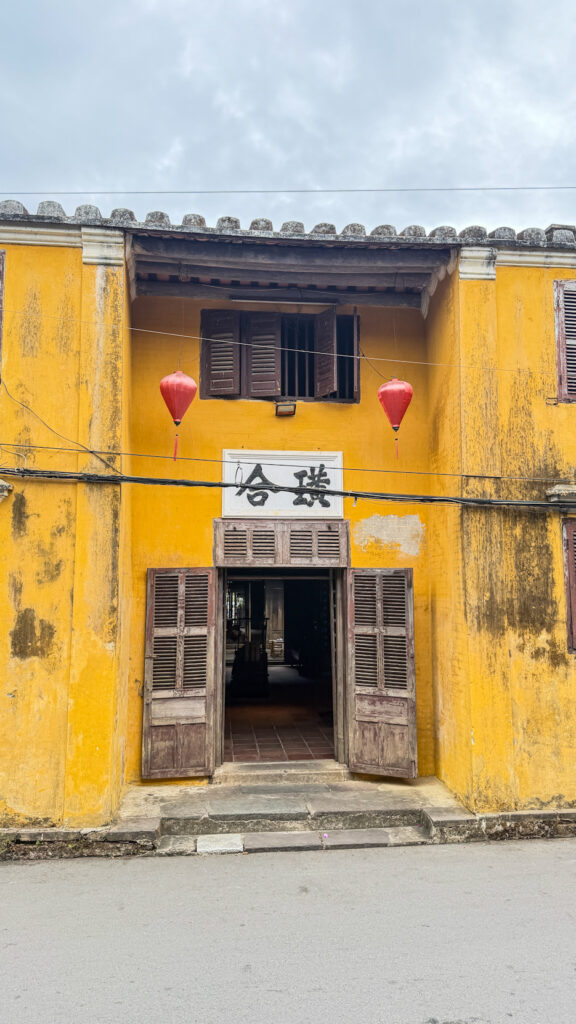
We walked past the entrance twice. The sign is small, and the building blends into the street. But inside, the Museum of Traditional Medicine is one of the more unusual stops in Hội An. Opened in 2019, it’s housed in an old two-floor merchant house that once belonged to a family of traditional healers.
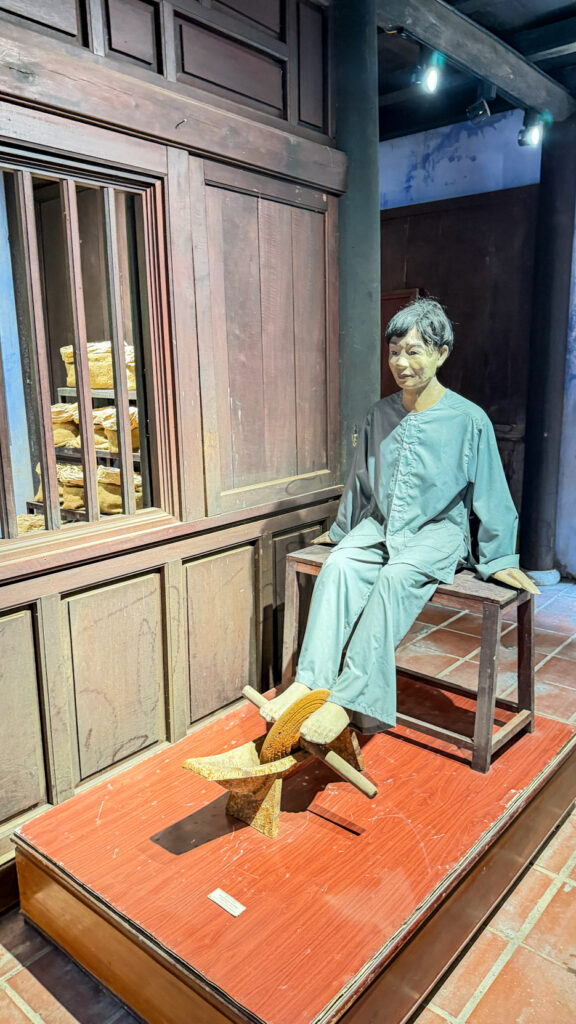
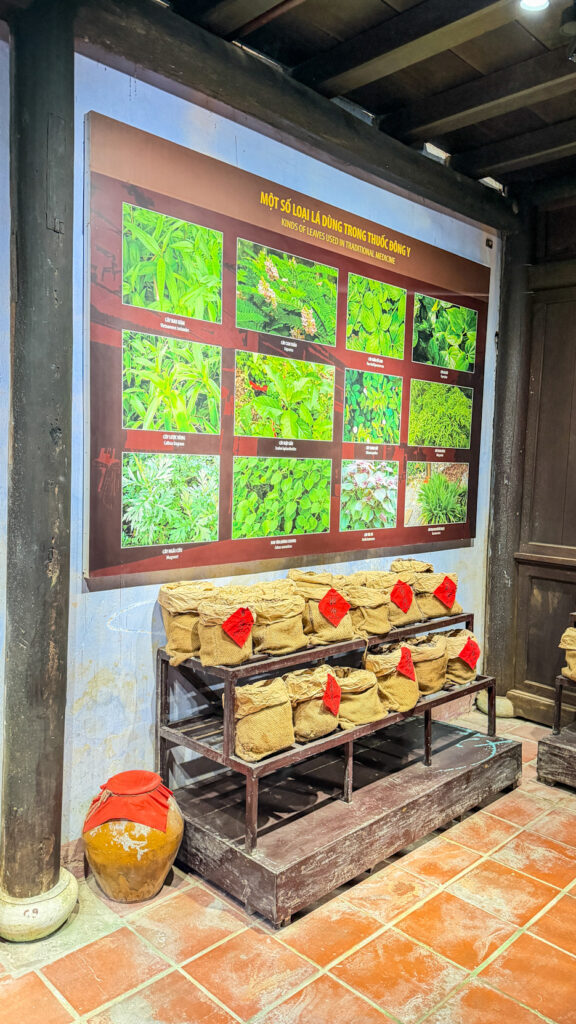
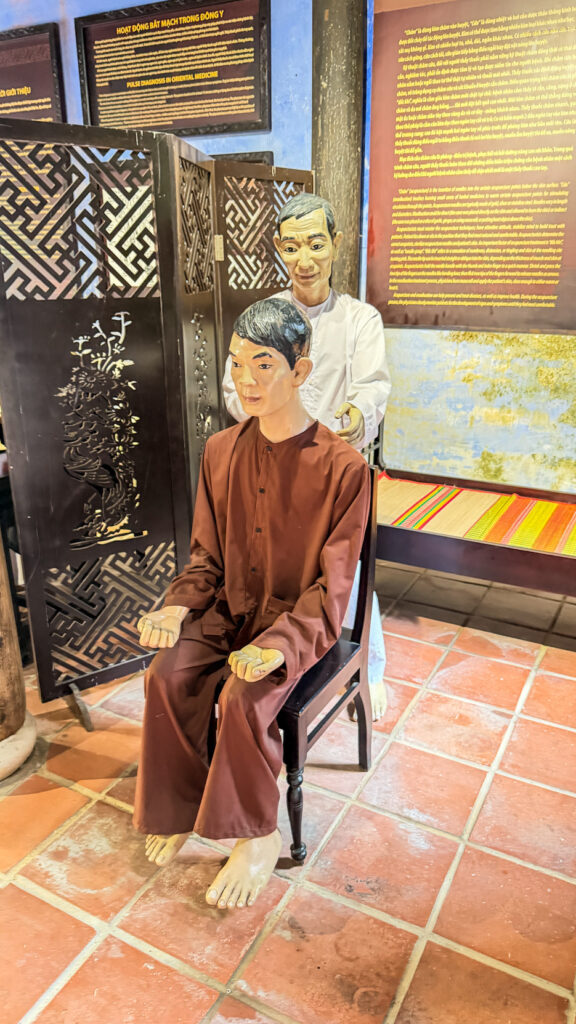
The museum recreates the atmosphere of a 19th-century pharmacy. The ground floor is arranged like an old drugstore — wooden cabinets filled with dried herbs, a counter for diagnosis, and a waiting area for patients. Upstairs, you’ll find tools for grinding, measuring, and preparing remedies, along with over 200 artifacts that tell the story of Vietnamese herbal medicine.
What you can actually do there:
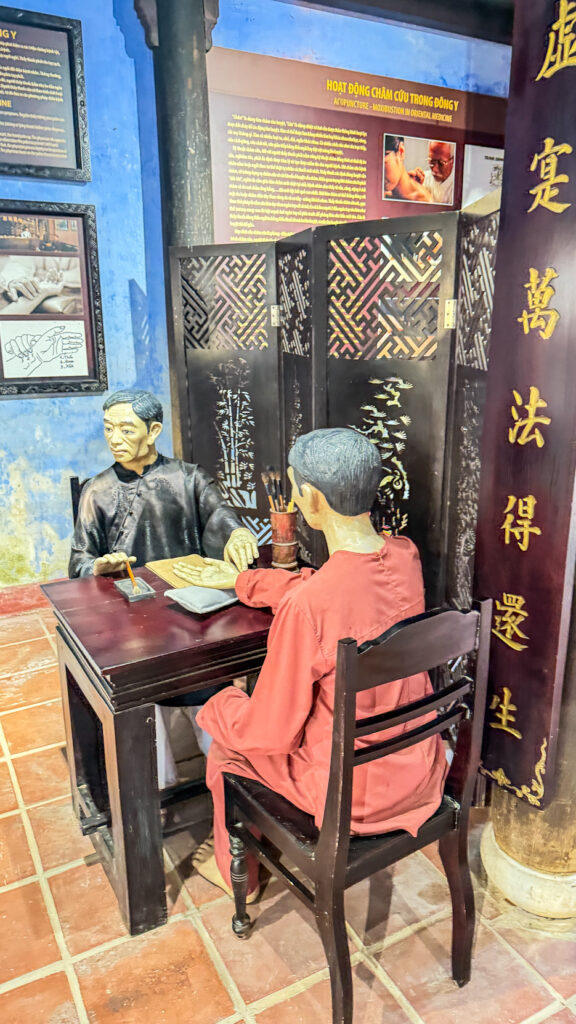
- Pulse diagnosis — a staff member might show you how traditional practitioners read the pulse on both wrists to identify imbalances
- Herbal foot bath — a warm soak with local medicinal plants (often included or available for a small fee)
- Herbal tea tasting — you can try a cup of traditional tea made from regional ingredients
- Reading room — a small collection of old medical texts and reference books
Hội An was once a major trading port for medicinal herbs. During the 16th–18th centuries, the town had entire streets lined with pharmacies selling remedies from China, Japan, and Southeast Asia. This museum documents that history.
Time needed: 30–60 minutes.
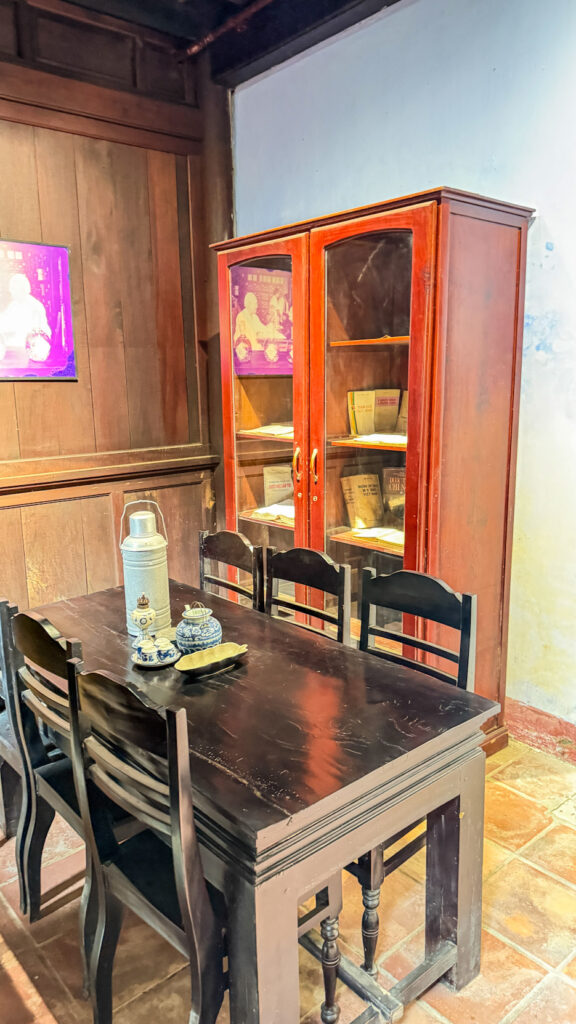
🌿🌶️ Museum of Local Products — Spices, Agarwood & the Trading Port That Connected Continents
📍 57 Trần Phú | 🕒 7 AM – 9 PM (closed 3rd of each month) | 🎟️ Included with ticket
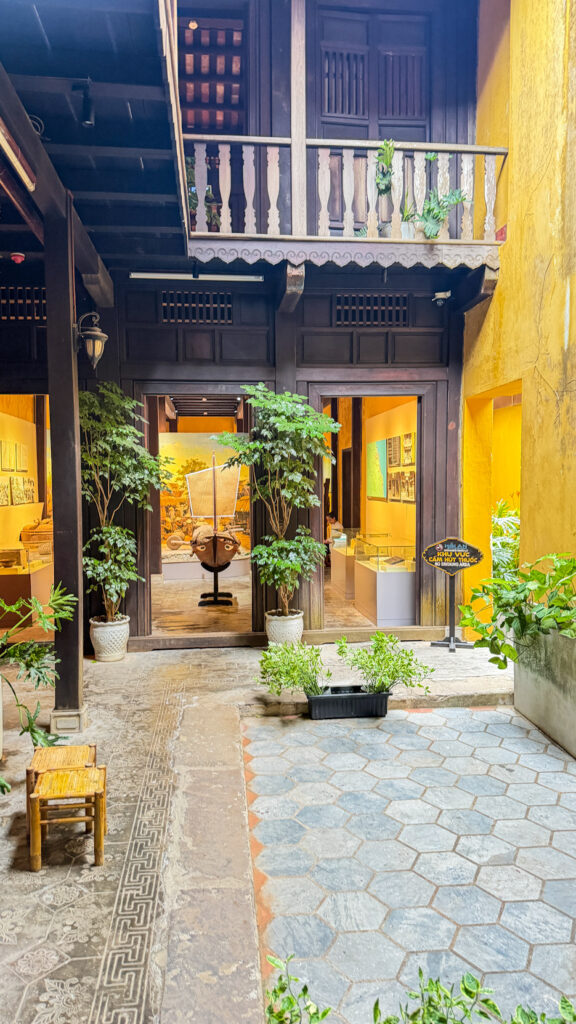
We almost walked right past it. The building is narrow, and the sign is easy to miss. But inside, the Museum of Local Products is one of the most interesting additions to Hội An’s museum circuit. It opened in December 2024, housed in a two-story merchant house at 57 Trần Phú.
The museum is small — about 240 m² across two floors — but it’s packed with information. The exhibition is arranged around four themes:
- Overview of Hội An and Quảng Nam local products — how the geography and climate shaped the region’s spices and goods
- Hội An as a transit point for spices — the bustling trade routes that connected Vietnam to China, India, and Europe
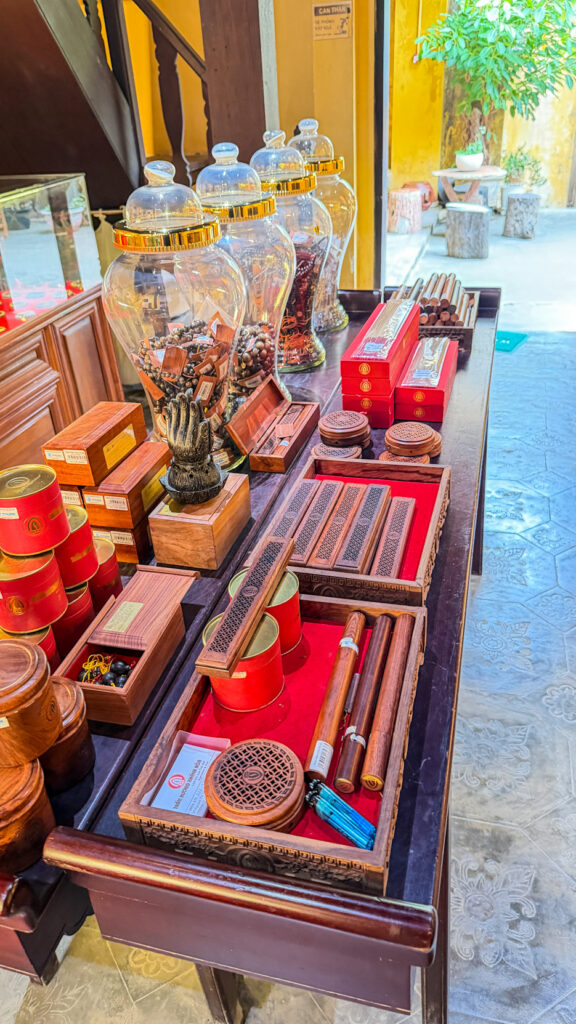
- Typical local products — bird’s nest, pepper, betel nut, cinnamon, tea, agarwood, and “lao” leaves
- Continuity and development — how these traditions are carried on today
The displays include 130 images, documents, and maps. They also feature 178 artifacts such as copper coins, weights, abacuses, wheelbarrows, seals, and containers for storing local products.
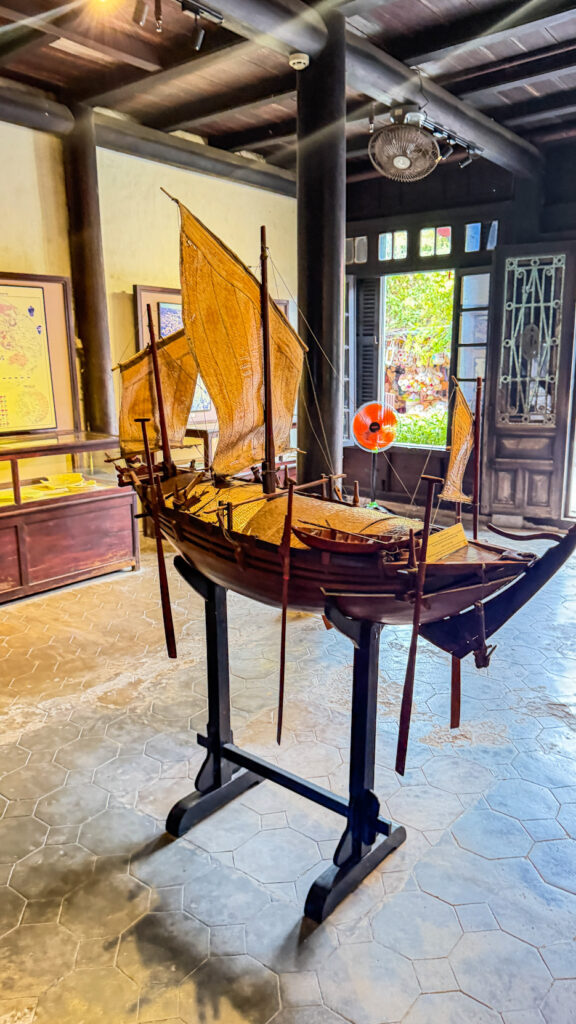
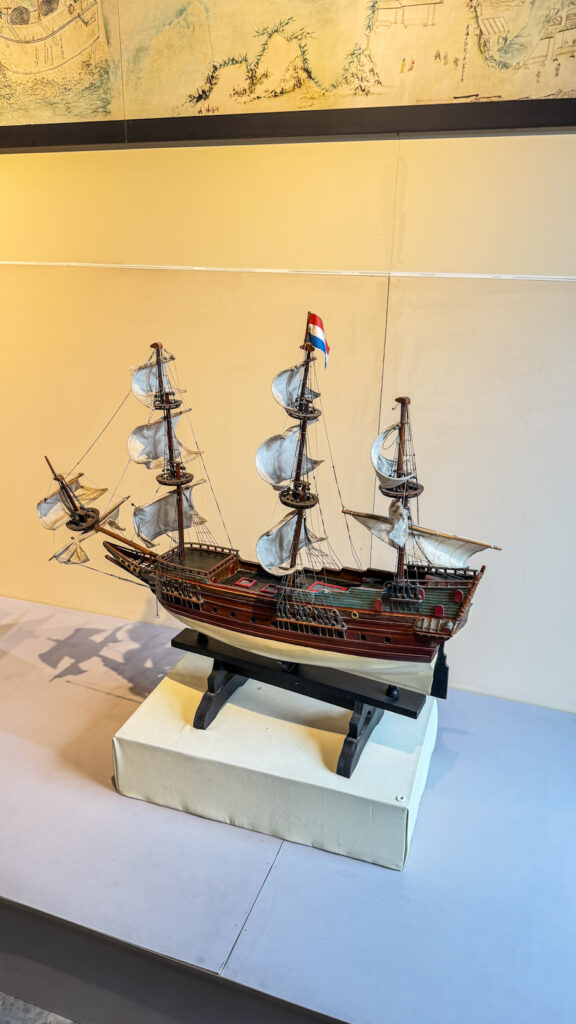
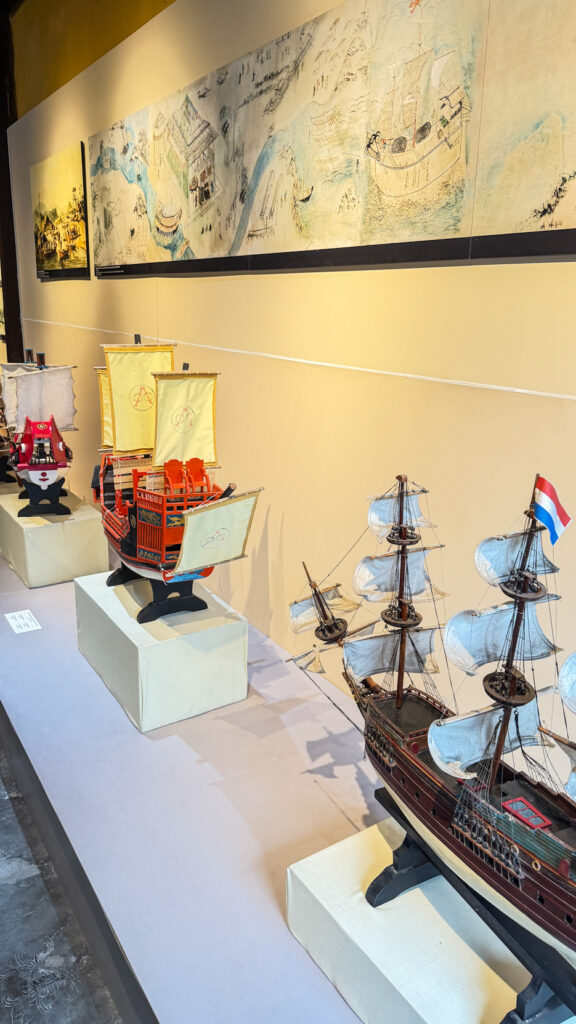
There are models of international merchant ships that once docked at Hội An, including Chinese junks, Indian vessels, European ships, and ghe boat—the boat that carried goods along the central coast.
One of the most striking sections covers agarwood and cinnamon — products that were once more valuable than gold. The museum also displays ancient texts describing Hội An’s trade, including Phủ Biên Tạp Lục by Lê Quý Đôn and Hồi Ký Xứ Đông Dương by Paul Doumer.
Time needed: 30–45 minutes.
🎟️ How to Visit All Five — Practical Tips
- Buy the ticket early. The main ticket office at 10B Trần Hưng Đạo opens at 7:30 AM. Start your museum crawl in the morning when it’s cooler.
- Precious Heritage is free. It doesn’t count towards your 5 visits. Do it first or last — it’s up to you.
- Plan your route. The museums are all within a 5–10 minute walk of each other. Start at 57 Trần Phú (Local Products), walk to 80 Trần Phú (Ceramics), then to 33 Nguyễn Thái Học (Folk Culture), then to 46 Nguyễn Thái Học (Traditional Medicine), and finish at 26 Phan Bội Châu (Precious Heritage).
- Check the closing days. Some museums close on specific days of the month — check the schedules before you go.
- Bring cash. The ticket office accepts cards, but it’s slower. Cash is faster.
💎 Final Verdict
If you have only 5 visits on your Hội An ticket, use them wisely. The Museum of Trade Ceramics and the Museum of Local Products are the two most interesting. The Traditional Medicine museum is the most unusual. The Folk Culture museum gives you the best sense of daily life. And Precious Heritage is free — so you have no excuse to skip it.
If you’re short on time, skip the Folk Culture museum and the Traditional Medicine museum — they’re good, but the Ceramics and Local Products museums are more unique to Hội An.
Once you’ve done your museum crawl, check out my Hội An Ancient Town guide for more things to do, and Hội An Memories Show for the evening.
🏨 Where to Stay & What to Pair It With
After your museum crawl, it’s time to book your accommodation. You’ll find everything from budget home-stays to luxury resorts in Hội An — check hotels in Hội An to compare prices and read guest reviews. For a broader overview, I’ve put together guides to the best hotels in Da Nang and best hotels in Hanoi if you’re continuing your journey.
Pair your museum visit with a walk through Hội An Ancient Town and a basket boat ride in the coconut forest for a full Hội An experience.
Frequently Asked Questions
Which Hoi An museum is free?
The Precious Heritage Museum, at 26 Phan Bội Châu, open 8 AM–8 PM, and it doesn’t count toward your 5-site ticket.
How many artifacts does the Museum of Trade Ceramics hold?
Over 400 artifacts dating from the 9th to 19th centuries, some recovered from a 1933 shipwreck.
How long is the Museum of Folk Culture building?
57 meters, connecting two different streets — you enter on one side and exit the other.
Can I try pottery making at the ceramics museum?
Yes, there’s a hands-on workshop where you can try pottery making.
How much time should I budget for the Museum of Trade Ceramics?
30–60 minutes.
Planning a wider Southeast Asia trip?
Cambodia With Me — practical Cambodia travel guides
Siam With Me — Thailand travel guides
Indonesia With Me — Indonesia travel guides
Singapore With Me — Singapore travel guides
Build your Vietnam route — free.